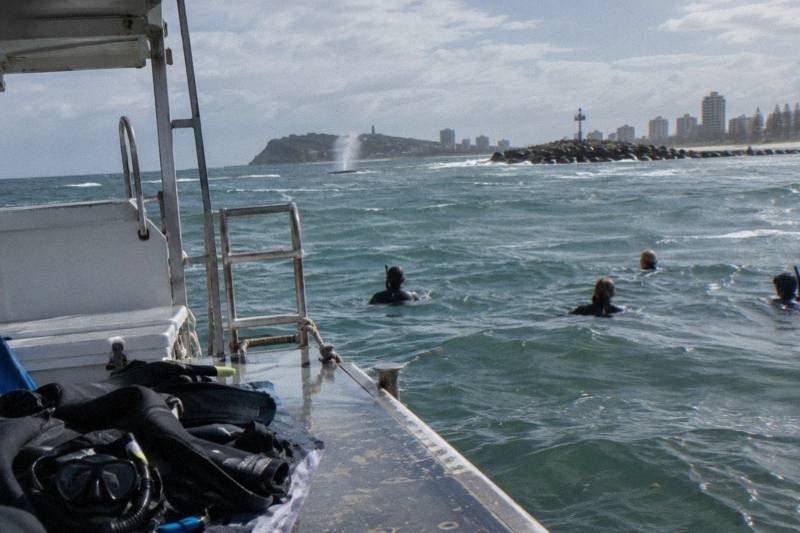
Do You Need To Be A Strong Swimmer To Swim With Whales?
No published swimming standard exists for the Mooloolaba whale swim; the trip runs under operator rules plus a 100 m in-water law and a 30 m national guideline. Here is what to ask before booking.
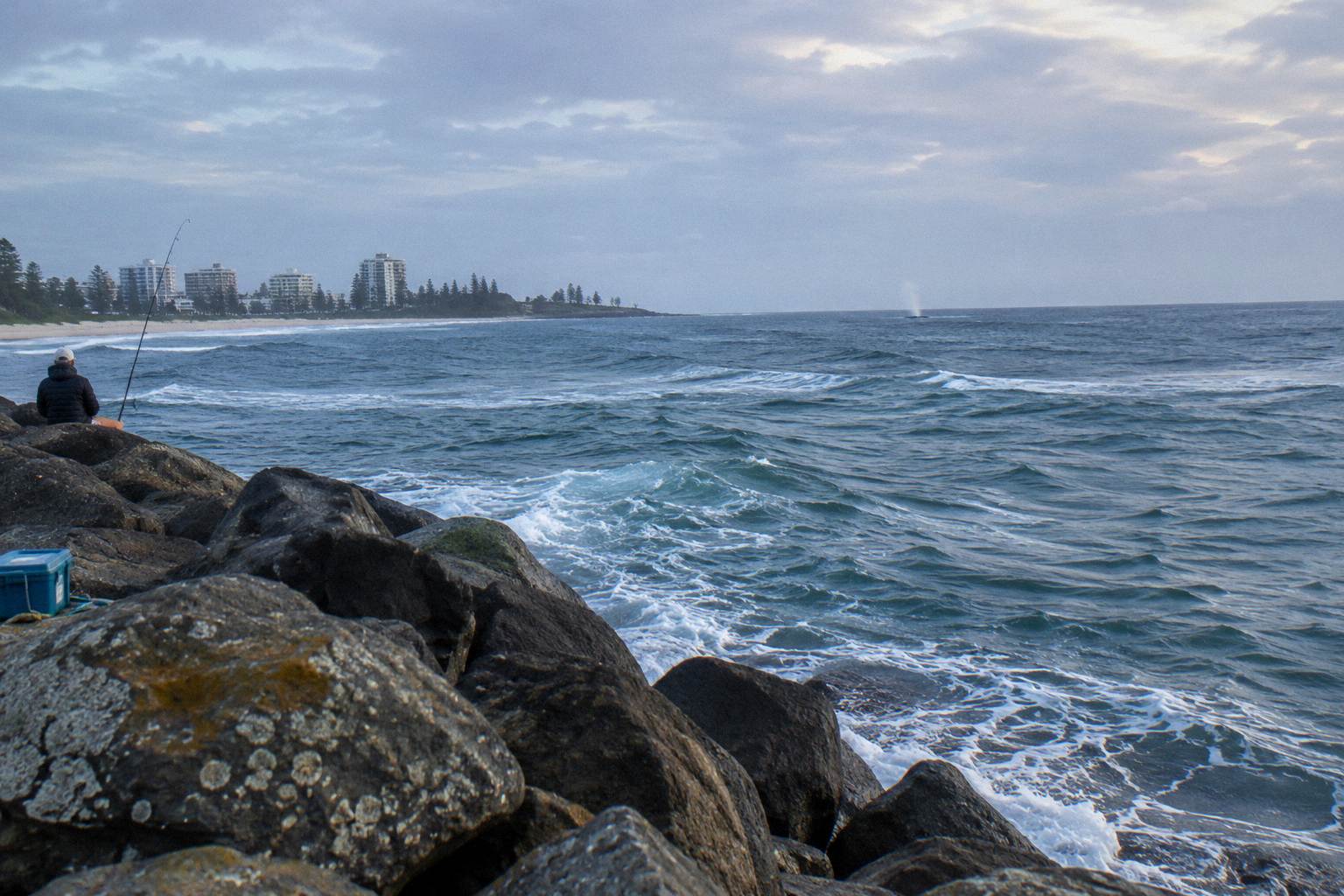
You do not need to be a strong swimmer by any published standard, because no operator or authority has set one for whale swims off Mooloolaba. Queensland law keeps swimmers 100 m from whales outside authorised programmes, national guidelines allow a 30 m approach within them, and Sunreef says it follows those guidelines. Since fitness, flotation and age are operator matters, ask Sunreef directly before booking.
That answer frustrates people who want a yes or no, and it is the only answer the sources support. The swim trip sold from Mooloolaba, Swim With Humpback Whales, is a four-hour trip from The Wharf Mooloolaba, from A$269 per person in Australian dollars, run by Sunreef with Whale One. Its season is an operator statement: Sunreef says the swim runs from July to Mid October. Nothing in that material states a required swimming ability, a required stroke, a fitness test or a minimum lap count, and inventing one would mislead a reader planning a several-hundred-dollar day.
What the rules do say is precise, and it reframes the question. When you enter the water near a whale you become a regulated swimmer, not a passenger. Queensland's marine mammal rules state that a person in or entering the water must not be within 100 m of a whale, an offence under sections 284(4) and 313 of the Nature Conservation (Animals) Regulation 2020. The 2017 national guidelines allow authorised swim programmes a different regime, including an approach limit of 30 m. So the legal design assumes swimmers are managed by distance and by crew, not by an independent fitness benchmark.
The practical reading is that swimming ability is one of several things the operator assesses on the day and at booking. If a trip brief mentions a wetsuit, fins, a flotation line or a guide ratio, that is the operator's own arrangement, and you should confirm it with them directly rather than assume it from a general description. Before deciding, compare the trip with the other options from the same wharf: some readers find a cruise is the better fit once they hear the swim's rules and season.
How The Swim With Whales Trip Works
Swim With Humpback Whales is a four-hour trip run by Sunreef and Whale One, meeting at The Wharf Mooloolaba, 123 Parkyn Parade, and costing from A$269 per person with free cancellation up to 3 days via the booking page. Sunreef states the swim season runs from July to Mid October, shorter than the watching season, which it describes as running to very early November, and entries follow the operator's own swim programme rules.
Four hours is longer than every watching cruise covered here, which matters when you think about time in the water. The watching trips run two to three hours; the swim dedicates its extra time to finding whales and putting swimmers in the water under crew control. How many swimmers enter at once, whether a line or flotation is used, and how long each entry lasts are operational details the operator manages; none of them has a published figure here, so ask rather than plan around an assumption.
The season difference matters too. If you travel in June or late October, the watching cruises may run while the swim does not, because Sunreef's swim season statement covers July to Mid October only. Checking dates against both windows is part of deciding whether the swim is even on the table for your trip. The price sits well above the cruises as well: from A$269 per person against from A$89 for the three-hour cruise, a gap that reflects a longer trip and a different product, not a better one.
What The Rules Actually Say About People In The Water
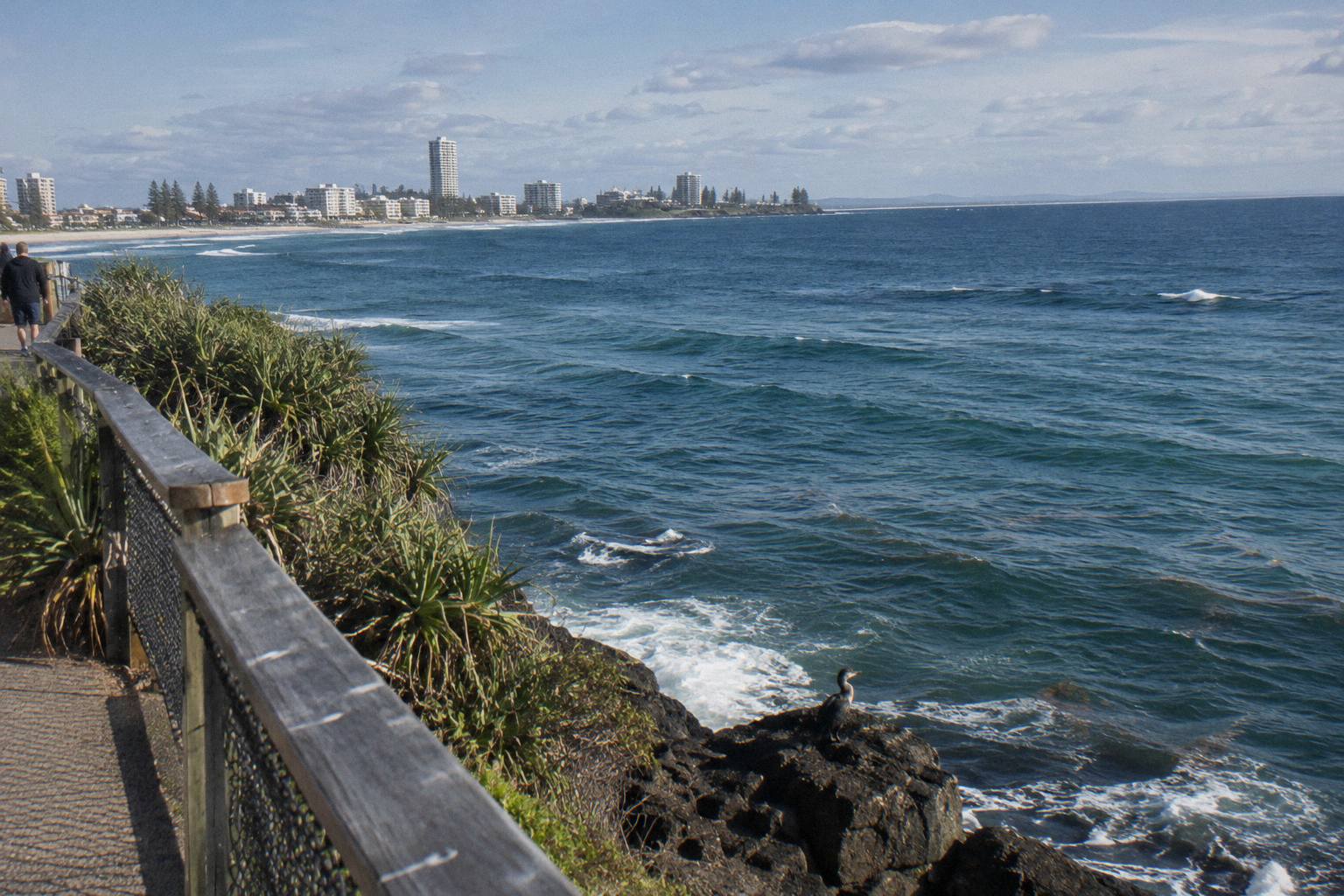
Queensland law forbids anyone in or entering the water from being within 100 m of a whale or 50 m of a dolphin, under sections 284(4) and 313 of the Nature Conservation (Animals) Regulation 2020, with no exception for swimmers on commercial trips. However, the 2017 national guidelines let authorised swim programmes operate under a 30 m approach limit, which is why licensed-style trips can get swimmers far closer than a solo member of the public legally could.
These two instruments do different jobs, and mixing them up causes most of the confusion online. The state rule is a hard legal line for anyone in the water; the national guideline is the framework a commercial programme works inside. The guidelines also say swim programmes must not enter the water closer than 100 m to a whale or 50 m to a dolphin, and must not approach closer than 30 m to any whale or dolphin, and that swimming should not occur with calves or pods containing calves. Sunreef states its encounters follow the Australian National Guidelines for Whale and Dolphin Watching.
No Queensland instrument was found that authorises or sets conditions, such as swimmer numbers, line length or a calf ban, for a Mooloolaba swim programme specifically. So nothing in state law tells you how strong a swimmer to be, and nothing in the guidelines does either. The distance rules are what the law actually regulates about you in the water.
| Instrument | What It Says About Swimmers | Where It Applies |
|---|---|---|
| Queensland Nature Conservation (Animals) Regulation 2020, ss 284(4), 313 | A person in or entering the water must not be within 100 m of a whale or 50 m of a dolphin | Queensland waters, no published swim exception |
| Australian National Guidelines for Whale and Dolphin Watching 2017 | Swim programmes run only through authorised operators; no water entry closer than 100 m; no approach closer than 30 m; no swimming with calves or pods with calves | National framework for commercial programmes |
| Sunreef operator statement | Swim season July to Mid October; encounters follow the national guidelines | Swim With Humpback Whales trips only |
The rules are published on the Queensland marine mammal watching rules page, and the swim programme distances come from the 2017 national guidelines. Reading the distance rules answers a different question than fitness, and that gap is exactly why a pre-booking conversation matters. If the swim idea still fits after the rules, the trip below is the one to interrogate.
Where Swimming Ability Fits Into The Decision
Swimming ability matters even though no published standard exists for it. The ocean off Mooloolaba is open water, and Sunreef itself notes that beach weather does not always represent offshore conditions. Assess your own comfort in deep water rather than accepting a generic assurance that anyone can do it, then put specific questions to the operator before you book the trip.
Start with the setting. The boat crosses the Mooloolah River bar, a designated coastal bar where Maritime Safety Queensland says conditions can change quickly and without warning, even on a good day, and lifejackets are compulsory for everyone on open boats or in open areas while crossing. Once the boat is offshore, a swim entry happens in deep, open water, not a pool or a bay. The operator's own seasickness advice, considering seasickness tablets, is another signal that the day is spent in real sea conditions, whatever your swimming strength.
Then separate what is fixed from what is negotiable. The distances are fixed by rules; the equipment, entry method and pace are the operator's arrangements; your comfort is yours. If you cannot comfortably float in water too deep to stand in, that is a fact to state plainly when you book, because the operator can only work with what you tell them. Fitness standards beyond that are the operator's call to make or not make, and asking is the only way to know.
What To Ask The Operator Before You Book
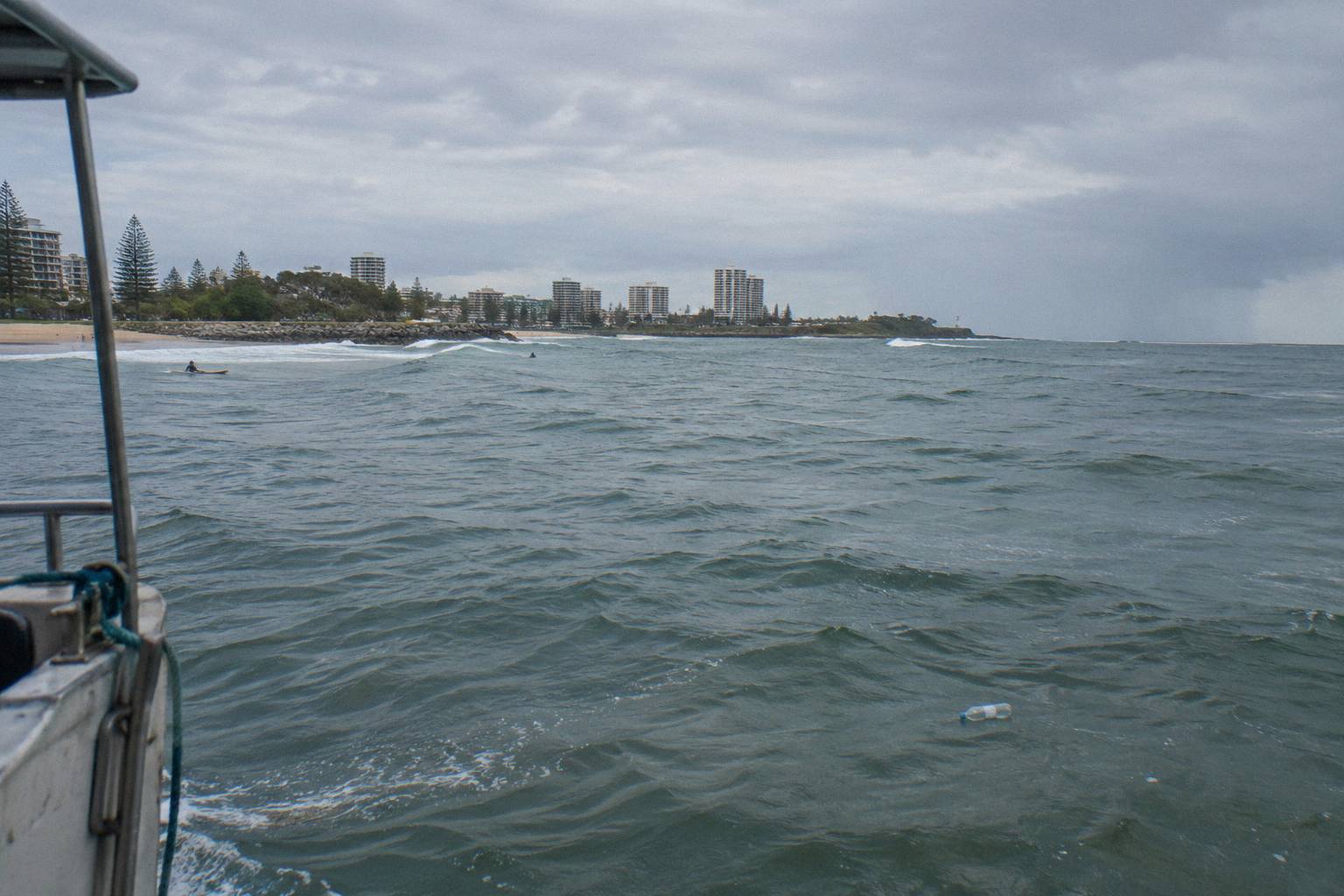
Before you pay, ask the operator directly about swimming ability expectations, flotation and wetsuit gear, minimum age, pregnancy, group size in the water at once, and what happens if the whales or the weather do not cooperate on your date. None of these is covered by any published standard, so the operator's answers are the only reliable ones, and you should write them down before booking.
The questions are not interchangeable. Some decide whether you can go at all, some decide what the day feels like, and some decide your money. The table below groups them so you can work through them in one phone call or one message to the operator. The rest of the planning pages sit on Mooloolaba Whale Watching.
| Topic | Question To Ask | Why It Matters |
|---|---|---|
| Swimming ability | What standard of swimming do you expect from swimmers on this trip? | No published standard exists; the operator's answer is the benchmark |
| Gear | What flotation, wetsuit or fins are provided, and what must swimmers bring? | Equipment is arranged by the operator and is not covered by any published rule |
| Age | Is there a minimum age for the swim, and must children be accompanied? | The published age bands belong to the watching trips; the swim may differ |
| Pregnancy | Are pregnant guests able to join the swim? | Sunreef states pregnant guests cannot board its whale trips |
| Group size | How many swimmers enter the water at once, and how many crew supervise? | No published figure; it shapes the experience and the safety margin |
| Cancellation | What happens if weather or whales end the trip early or prevent a swim? | Free cancellation up to 3 days applies on the booking page; beyond that, ask |
| Season | Is the swim running on my dates? | Sunreef says the swim season runs July to Mid October |
Two of those rows deserve emphasis. First, the age bands published for the operator, children 4 to 14 years and under 4 free, with under 16s accompanied by an adult, are stated for whale watching, and the swim is a separate product that may carry its own rule; assume nothing. Second, the pregnancy line is firm for this operator: Sunreef states pregnant guests cannot board. Both facts come from the operator's own page at Whale One's watching page, and the swim-specific versions of those rules are worth confirming in the same conversation.
Who The Swim Suits, And Who Should Watch From The Deck
The swim suits confident ocean swimmers who want the in-water perspective and can handle deep water under supervision; the deck suits everyone else, including families with young children, pregnant guests, and anyone unsure about their swimming ability. Both groups see the same whales on the same coast, since both run inside the same season and approach rules, and the watching cruise from the same operator is the natural fallback at from A$89 per person.
Splitting the decision this way keeps it about you rather than about the whales. A reader who hesitates at the deep-water question has a genuinely good alternative: the Sunreef 3-Hour Whale Cruise, three hours from the same meeting point, rated 4.3 from 200+ reviews, with Whale One's own policy of a free return trip if no whales are seen on its tours. A reader who wants speed and a smaller boat can look at the two-hour options, and the comparison guide to cruise versus swim choices works through the trade-offs in more depth.
Money is part of the split too. From A$269 for the swim against from A$89 for the three-hour cruise is a real difference for a family or a solo traveller, and the swim's four-hour commitment plus its July-to-Mid-October window narrows when it is even available. For readers weighing safety rather than fitness, the question of whether swimming with humpback whales is safe is covered separately, and the answer there leans on the same rules and operator statements used above.
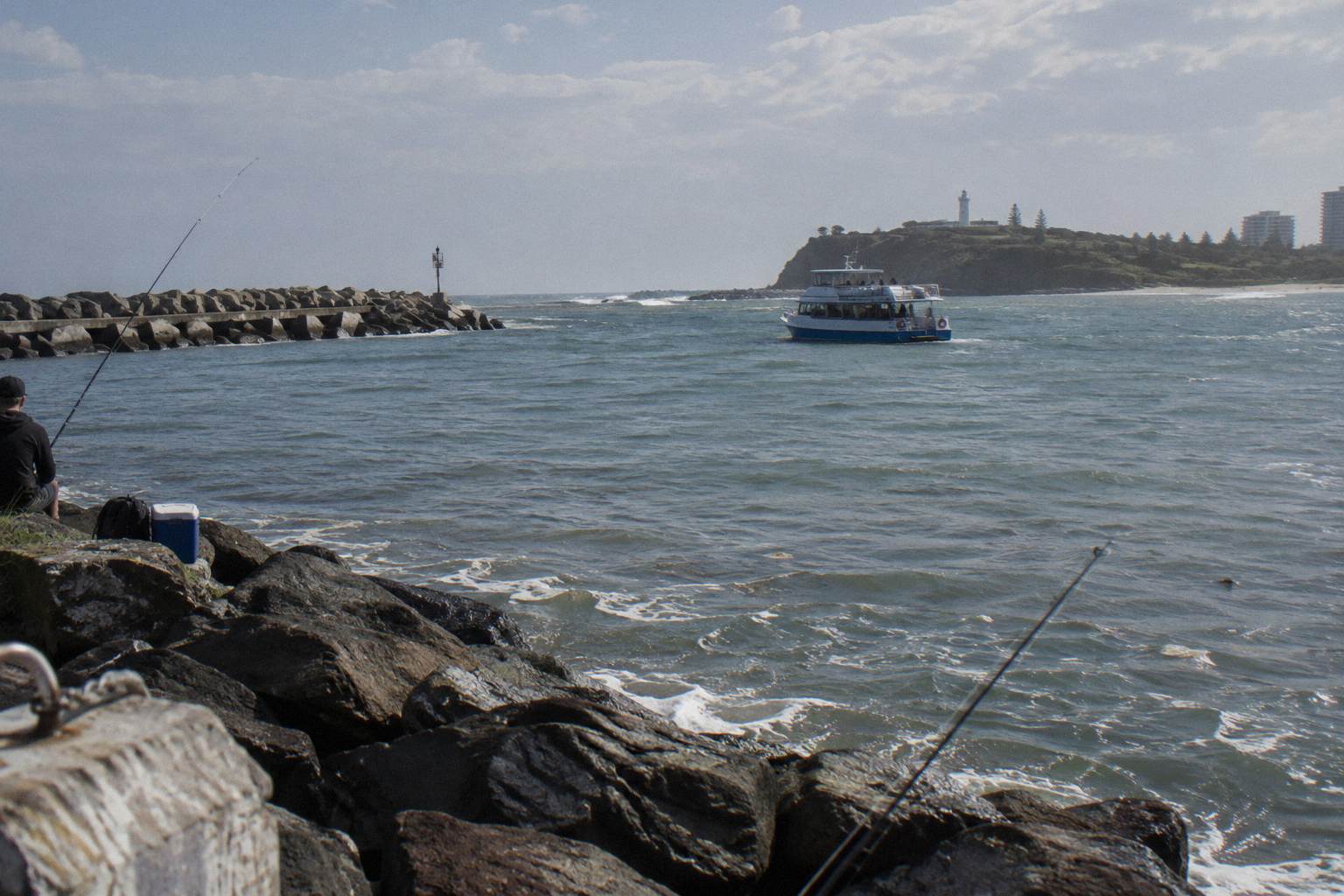
Common Mistakes When Booking A Whale Swim
The mistakes that catch people out are assuming a published swimming standard exists, assuming the swim runs on every date the cruises do, assuming the child age bands for watching carry over to the swim, and reading a sighting promise into a trip that offers none. Each one is avoidable with a question before payment: ask about swimming expectations, confirm the season dates, check the swim's own age rule, and read the cancellation terms.
The meeting point trips up visitors as well. The swim meets at The Wharf Mooloolaba, 123 Parkyn Parade, where parking is time-limited, so arrive early in peak season; Adventure Rafting advises its own guests to arrive 30 minutes prior to sailing because parking can be difficult during peak times, and the same logic applies at The Wharf on busy mornings. Arriving with no margin turns a booked swim into a missed departure, and free cancellation up to 3 days does not help you at minute zero.
Another quiet mistake is booking the swim when a cruise was the better answer all along. If the swimming-ability question produced a shrug rather than a yes, the three-hour cruise from the same operator delivers the whales and the longer time on the water, at less than half the swim's from-price. Booking the swim to prove something, then spending the day anxious, serves nobody, least of all the crew supervising the water.
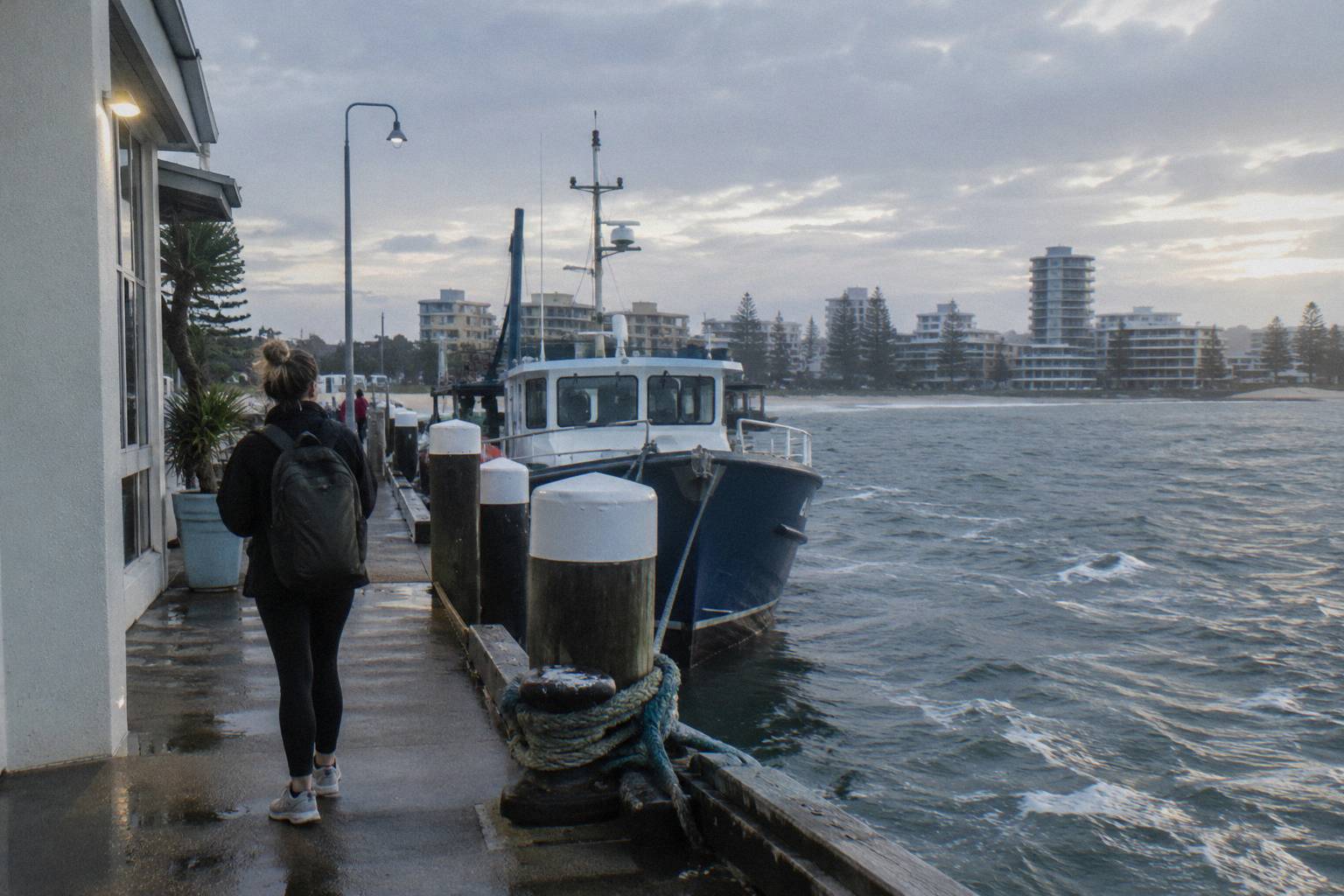
The Boat-Based Alternatives From The Same Departure Point
Three boat tours from Mooloolaba offer whale watching without any swim entry: the Sunreef 3-Hour Whale Cruise from A$89 per person, the Sunshine Coast Afloat 3 Hours tour from A$105 per person, and the two-hour Fast Boat with free cancellation from A$115 per person. A fourth option, the two-hour Hydrophone Whale Adventure from The Wharf, also runs from A$115 per person. None of them requires you to enter the water. If you're still planning your day around the trip, the guide to whale watching cruise durations from Mooloolaba explains how much time to set aside.
The differences between them are duration, boat and tone rather than whale quality. The three-hour cruises give more time on the water; the two-hour fast boat suits a tighter schedule or a smaller budget of patience. Sunshine Coast Afloat departs from 21 Parkyn Parade rather than The Wharf, a short distance but a different address to punch into a map on the morning. For the full field, including the small-boat and premium options, the page comparing Sunshine Coast whale watching trips side by side sets them out in one table.
Adventure Rafting's fast boat trip is rated 4.6 from 100+ reviews, carries a maximum of 20 guests per its own page, and states a minimum age of 5 for its trips, along with an onboard toilet. Those are that operator's facts for that operator's trips, not a coast-wide rule. If a quick, high-energy two hours with a smaller group sounds closer to the swim's spirit than a three-hour cruise, it is worth a look, and free cancellation up to 3 days on the booking page keeps the decision reversible.
Between the fast boat and the swim sits the three-hour cruise, and for many readers it is the sweet spot: long enough to reach the whales properly, priced from A$89 per person, rated 4.3 from 200+ reviews, and run by the same operator whose swim product you were weighing. Meeting at Sunreef Mooloolaba, 11-12/123 Parkyn Parade, it is also the natural plan B if you ask your swimming questions and decide the water is not for you this trip. Details, availability and the current dates are on the operator's booking page: Check availability.
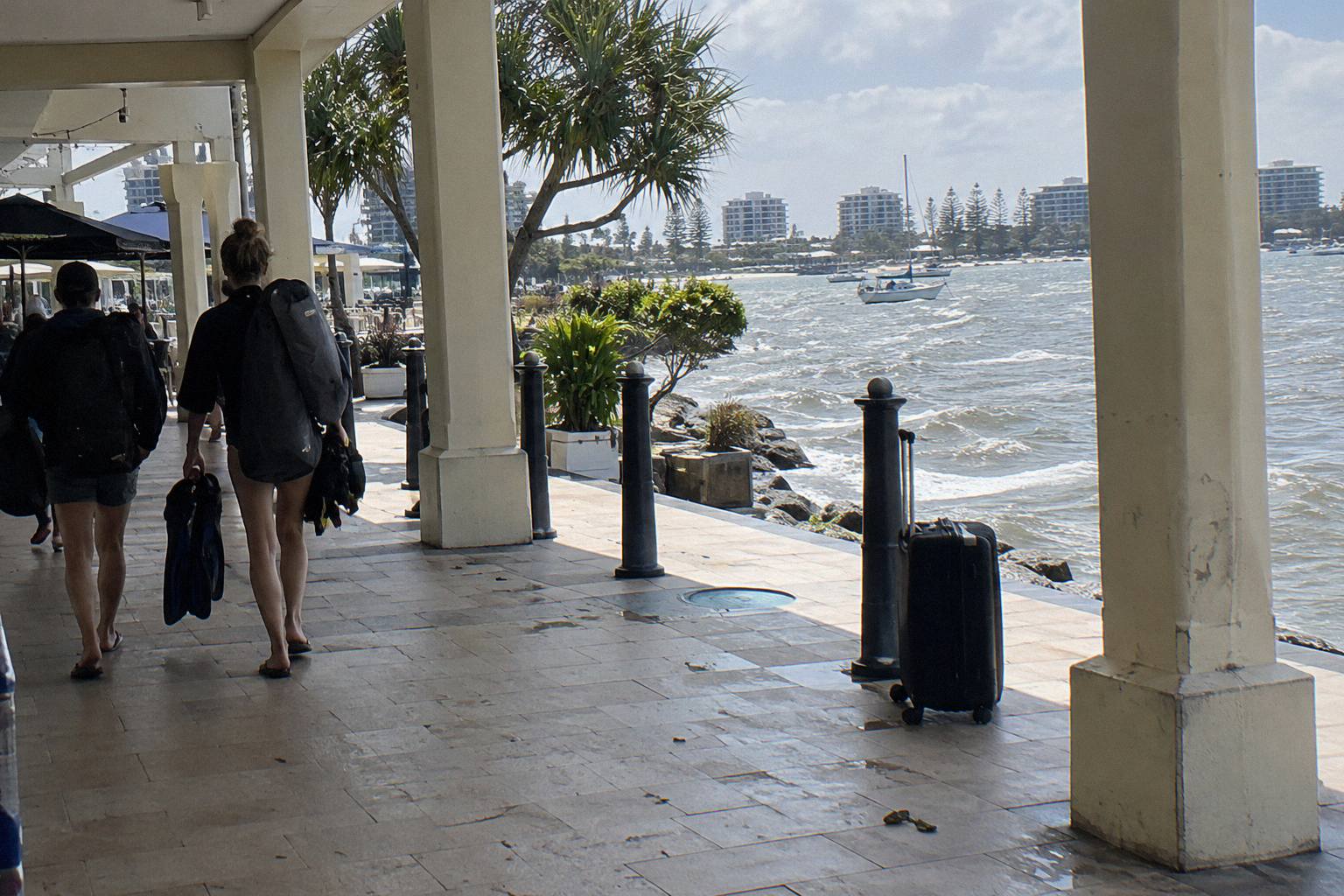
Swim Or Cruise: A Short Worked Comparison
Weigh the swim against the cruise on four axes: price, from A$269 versus from A$89 per person; duration, four hours versus three; season, July to Mid October versus into very early November per the operator; and your own answer on deep water, which only you can supply. On every axis except the in-water experience the cruise is the simpler buy, and that is the arithmetic of the decision rather than a verdict on either product.
Run it as a scenario. A confident ocean swimmer travelling in September, comfortable in deep water and keen on the in-water perspective, finds the swim available and worth its price gap. A family with a seven-year-old finds the swim conversation ends at the age question, since no swim age rule is published and the watching bands are stated for watching, while the cruise has clear bands, children 4 to 14, under 4 free, under 16s with an adult. A solo traveller in June finds the swim not running yet under the operator's season statement, and books the cruise instead. Same coast, same rules, three different right answers.
The whale swim is the Mooloolaba whale watching coast's premium product, and it earns that label through scarcity, not through being the only way to see humpbacks. The population the Queensland Government estimates at around 50,000 eastern Australian humpbacks passes this coast every year, and every boat covered here goes out to meet it. The swim adds one thing the boats cannot: you, in the water, inside the programme's distances. Whether that addition is worth its price, its season and its questions about your own swimming is a decision the sources leave, correctly, in your hands.
Common Questions About Swimming With Whales
Do You Need To Be A Strong Swimmer To Swim With Whales?
No published source sets a swimming standard for the Mooloolaba whale swim. Queensland law regulates distance, not ability, keeping a person in the water 100 m from a whale, and the 2017 national guidelines set a 30 m approach for authorised programmes. Ask the operator directly what swimming ability, flotation and entry method their trip involves.
Is Swimming With Whales Legal In Queensland?
A person in or entering the water must not be within 100 m of a whale or 50 m of a dolphin under Queensland law, with no swim exception written into those sections. The 2017 national guidelines provide the framework commercial swim programmes work within, including a 30 m approach limit and a rule against swimming with calves or pods containing calves. Sunreef states its encounters follow those national guidelines.
When Does The Swim Season Run?
Sunreef states its swim season runs from July to Mid October. That is shorter than the whale watching season the operator describes, which runs from early June to very early November. Confirm your dates against the swim window on the booking page before planning around it.
What Does The Whale Swim Cost?
Swim With Humpback Whales is from A$269 per person for a four-hour trip, with free cancellation up to 3 days on the booking page. Amounts are Australian dollars. The boat-based cruises start from A$89 per person for the three-hour option.
Can Children Or Pregnant Guests Join The Swim?
The published child age bands, children 4 to 14 and under 4 free with under 16s accompanied, are stated for whale watching trips, and no separate swim age rule is published, so ask the operator. Sunreef states pregnant guests cannot board its whale trips.
A Whale Sighting Is Not Guaranteed On The Swim
No trip covered here promises a whale sighting. Ask the operator what happens if no swim is possible on your date.