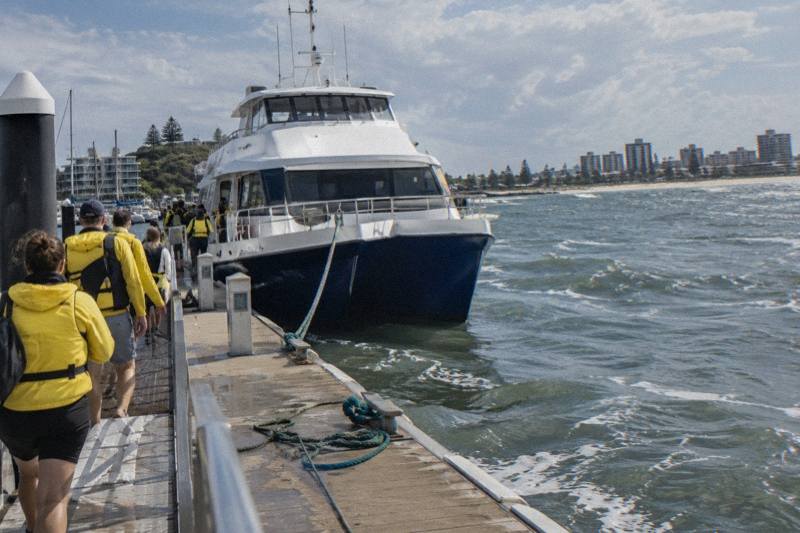
Is It Better To Go Whale Watching In The Morning Or Afternoon?
Morning sailings are the Queensland Government's pick for calmer conditions before wind builds, while afternoon trips still run daily through the season; the real choice comes down to wind, family timing and your own stomach.
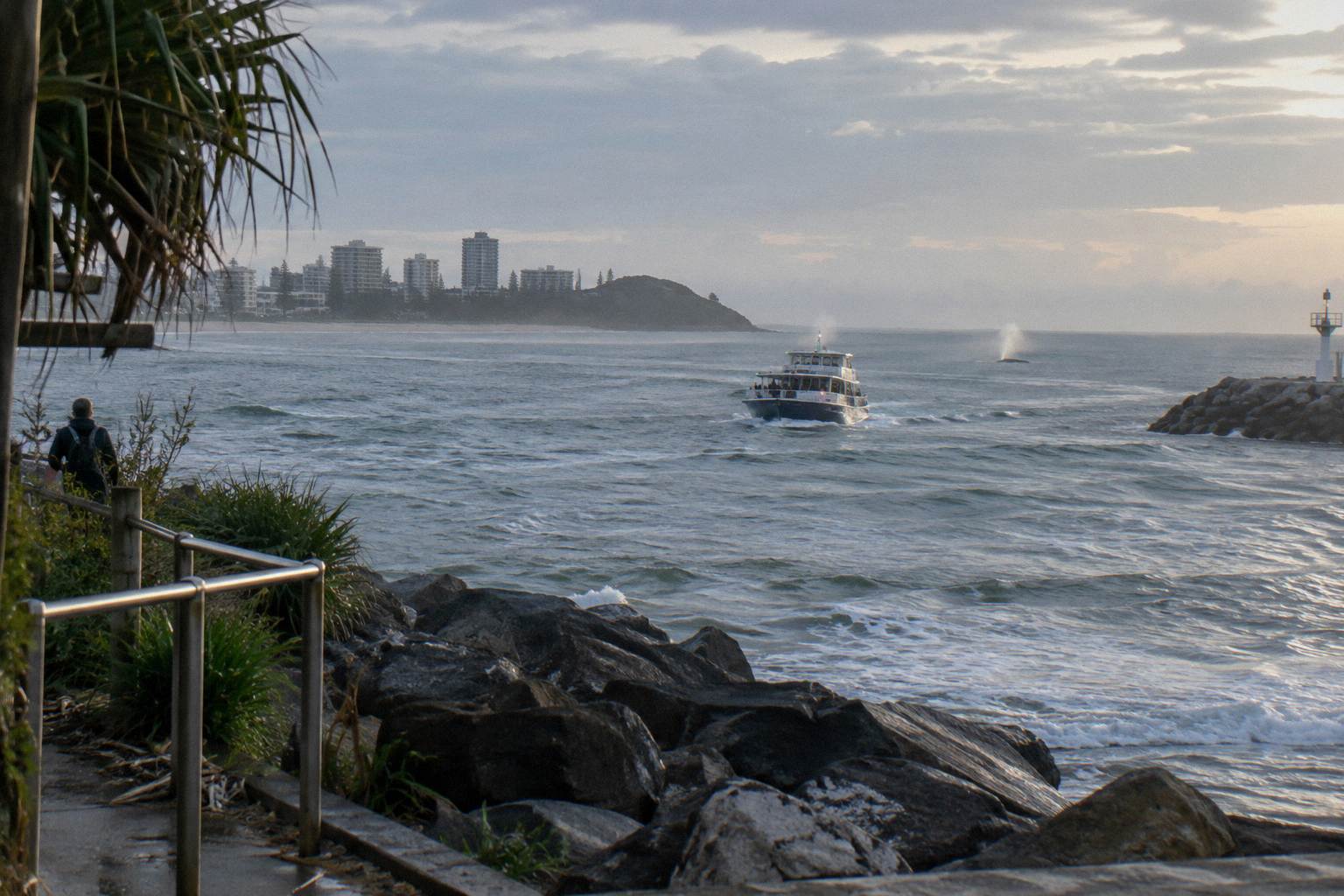
The single official statement on the question favours the morning. The Queensland Government's whale watching page says calm conditions are most likely in the morning, before any wind picks up. No source claims whales are more likely at one time of day than another, and no operator promises better sightings for an early departure. Pick the morning for the calmer water, and the afternoon when your schedule or your family makes the morning impractical.
That distinction matters, because the question gets answered in two different ways online. One answer is about whales, and there is simply no published evidence from the trips covered here that a whale is more likely at 8am than at 2pm. Whales migrate day and night, and a boat that finds them at midday finds them at midday. The other answer is about conditions, and there the record is clear and specific: the Queensland Government whale watching page states that calm conditions are most likely in the morning before any wind picks up.
That sentence is the closest thing to an authoritative ruling on morning versus afternoon anywhere in the official material for this coast. It is a statement about sea breeze and wind, not about whale behaviour, and it should be read that way. A morning departure carries a better chance of the flatter water that makes a trip more comfortable, particularly for anyone whose stomach has opinions about swell. An afternoon departure carries the risk that the wind has had the whole day to build, which on the exposed water off Mooloolaba can change the feel of two hours on a boat.
None of that makes the afternoon a bad choice. Plenty of travellers cannot make an 8am departure because they are driving up that morning, staying an hour away, or travelling with children who are not at their best before breakfast. The trips run through the middle of the day for exactly that reason, and the operators who publish departure times schedule them across the whole day, seven days a week, through the season.
Each has a different character, and each leaves from the same corner of Parkyn Parade.
What The Queensland Government Actually Says About Morning Conditions
The government statement is precise and narrow: calm conditions are most likely in the morning, before any wind picks up. It says nothing about whale numbers at different hours, nothing about visibility, and nothing about which departure time any operator should run. It is a note about wind patterns on the Queensland coast, and it is the only official sentence in the source material that touches on time of day at all.
That narrowness is useful. It means a traveller can hold two facts at once: the morning is the better bet for flat water, and no published source says the morning is the better bet for whales. Anyone selling you a "morning whale guarantee" is going beyond what any of the material here supports, and the trips covered here make no such promise. Adventure Rafting says on its own page that it cannot guarantee sightings. Whale One's own policy is a free return trip if no whales are seen on its tours, which is a policy about rebooking, not about any particular hour of the day.
The wind logic also has a practical limit worth understanding. The government's wording describes a general pattern, not a forecast for your date. Some mornings blow hard and some afternoons stay glass-calm by pure luck of the weather system over the coast that week. The Bureau of Meteorology's climate averages for the nearby airport station show the whale season months of June to October are the driest stretch of the year, with July to September the driest of all, and mean daily maximum temperatures between 21.2 and 25.7 degrees Celsius. Those averages describe the season generally, not your Tuesday.
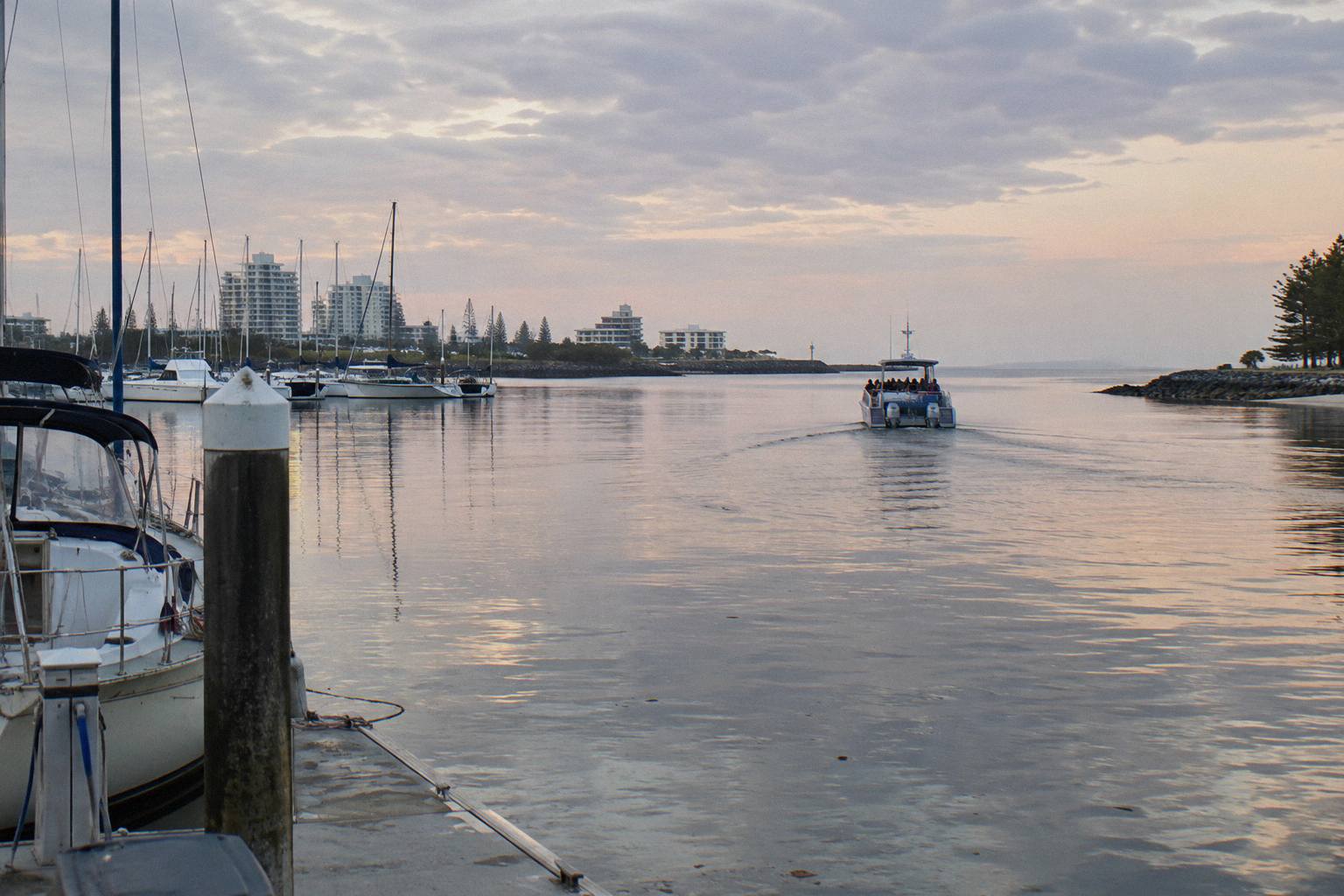
The other limit is that beach conditions mislead. Whale One's own page puts it plainly: although sometimes the weather looks fine on the beach, it does not always give an accurate representation of what the conditions offshore are. A still morning over the sand at Mooloolaba does not confirm a still morning over the open water where the boats work, and a breezy afternoon on the esplanade does not mean the trip will be rough. Operators make the call on the day, and both Sunreef and Adventure Rafting state their own weather cancellation terms: Whale One says it will rebook or refund if sea conditions cancel a trip, and Adventure Rafting says it cancels for weather, wind and swell, with the ticket reissued or refunded.
What Departure Times Do The Mooloolaba Trips Actually Offer?
Only one operator in the material publishes a fixed daily schedule: Adventure Rafting lists 8am, 11am and 2pm departures, seven days a week, from 1 June to 31 October on its own page. For the other Mooloolaba trips, departure times for your date show during booking, and no blanket timetable should be assumed. The question is answered per trip and per date, and the pattern that is published points to a genuine morning, midday and afternoon spread.
The 8am departure is the classic morning slot: on the water before the wind has had time to build, back at the wharf around 10am with the whole day left. The 11am departure sits in the middle, leaving after a relaxed breakfast and returning early afternoon. The 2pm departure is the afternoon option, and it is the one most often chosen by people driving to Mooloolaba that morning or wrapping a late beach morning into a boat afternoon. These are Adventure Rafting's own times for its own trips, and its whale watching page also asks passengers to arrive 30 minutes prior to sailing because parking can be difficult during peak times, a note that matters most for the tightly timed morning departures.
Here is how the published departure pattern lines up against the government's wind statement:
| Departure | What The Operator Publishes | How It Sits Against The Wind Statement |
|---|---|---|
| 8am | Adventure Rafting lists it daily in season, for its trips | Closest match to the Queensland note: on the water before any wind picks up |
| 11am | Adventure Rafting lists it daily in season, for its trips | Midday slot; the morning calm may be easing, and conditions depend on the day |
| 2pm | Adventure Rafting lists it daily in season, for its trips | Afternoon slot; the wind has had the longest to build, though many days stay fine |
| Other trips | Departure times for your date show during booking | Compare the offered slot against the same morning-before-wind logic |
The two Adventure Rafting products among the trips covered here are the Fast Boat, Free Cancellation option, from A$115 per person with a 4.6 rating from 100+ reviews, and the Hydrophone Whale Adventure, also from A$115 per person, both running two hours from The Wharf Mooloolaba. Amounts are in Australian dollars. Both carry free cancellation up to 24 hours on the booking page, which matters for time-of-day planning: if you book the 2pm and the forecast turns, the cancellation window gives you a way out that a rigid ticket would not.
For the Sunreef 3-Hour Whale Cruise, the operator's material describes check-in at the Sunreef desk at The Wharf Mooloolaba, with the boat docked on the river behind the shop and the trip out of the river taking about 15 minutes. That river leg is worth remembering when you compare a 9am sailing against a 1pm sailing: the first quarter hour of any Mooloolaba trip is the calmer Mooloolah River, not open water, so the very start of an afternoon trip can feel gentler than the wind statement suggests. The Sunreef cruise's timing and length is a fair thing to weigh when you choose a slot, and check availability to see which departure times show for your date.
Does The Time Of Day Change Which Whales You See?
No published source for these trips claims it does. The whales migrating past the Sunshine Coast, around 50,000 of them per the Queensland Government's current estimate of the eastern Australian population, move north and south across the whole season and the whole day. None of the operator pages or government material links sighting likelihood to a departure hour, so any claim that morning whales are more active is folklore rather than fact. Since time of day matters less than where you depart from, the comparison of Gold Coast and Sunshine Coast whale watching trips covers the differences in departure points, trip length and price that actually shape the experience.
What the record does say about timing is seasonal, not daily. The Queensland Government describes the general pattern: humpbacks migrate northwards along the Queensland coast between May and July, then turn south in July and August after time in the tropical breeding grounds. Visit Sunshine Coast states the official season as June to November and says July and August carry the largest northbound numbers. Sunreef's own description adds a local shape to the season: June through July is usually the northbound stretch, August through September brings whales going both north and south in what the operator calls the crossover period, and from September to the end of October most whales are finishing their journey south.
Peer-reviewed work adds one sharper timing fact. A 2025 study tracking the southbound migration found the adult peak at Peregian Beach on the Sunshine Coast occurring in early October before 2015, moving forward to mid-September by 2023 and 2024, while the northbound peak measured at Point Lookout, off south-east Queensland, consistently fell in late June to early July through 2015. Those are seasonal peaks, measured over weeks and months. Nothing in that research distinguishes 8am from 2pm on any given day, and it would be a misuse of the finding to pretend otherwise.
The practical read for a traveller deciding between a morning and an afternoon slot: the season you pick matters far more than the hour. A July or August date of any departure time sits inside the window Visit Sunshine Coast describes as carrying the largest numbers, while a late-October morning and a late-October afternoon share the same tail-end-of-migration reality. Choosing a morning in mid-season over an afternoon in mid-season is a choice about comfort, not about whales, and the month-by-month season breakdown covers the seasonal logic in more depth. Anyone planning a broader trip around the migration can find the same timing logic on Mooloolaba Whale Watching, the site that gathers these departure and season facts in one place.
Morning Or Afternoon For Families With Young Children
Morning is the better choice for families with young children, because kids are freshest early, the 8am slot Adventure Rafting publishes finishes by about 10am, and the rest of the day stays free for the beach. An afternoon departure still helps by removing the pre-dawn rush small children handle badly, but the age rules attached to each trip, which differ by operator, matter more to the decision than the hour on the ticket.
The age facts are per operator and stay that way. Adventure Rafting states a minimum age of 5 for its own trips. Sunreef states no numeric minimum for whale watching; its ticket bands are children 4 to 14 years old and under 4 free, and children under 16 must be accompanied by an adult. For any other trip in the material, the age rule is not published, so ask the operator. No age rule anywhere in the material is tied to a departure time, which means the family decision on morning versus afternoon is about naps, breakfast and patience, not about rules.
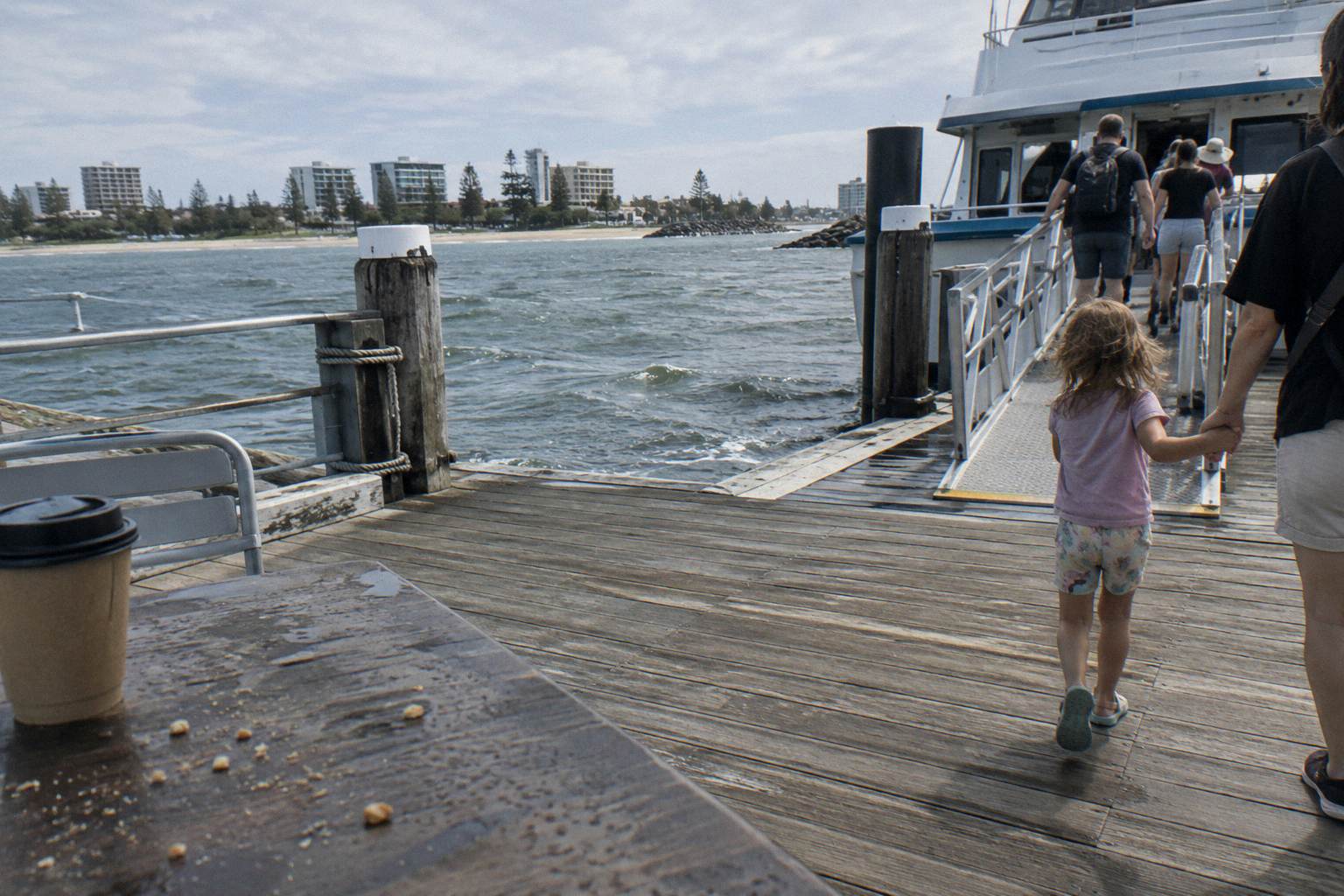
Two practical notes sharpen the choice. First, Adventure Rafting's arrival advice, 30 minutes before sailing because parking can be difficult during peak times, bites hardest on the earliest departures, when a family is wrestling children, sunscreen and parking at the same time. Second, the trip length differs: the Mooloolaba options run two to three hours, and a shorter two-hour trip in the afternoon can suit a child whose attention runs out faster than a three-hour cruise allows. There is more on travelling with children in the whale watching with kids guide.
It is also worth saying plainly that no trip promises a whale for your children, and setting expectations before you board saves disappointment after. Adventure Rafting says it cannot guarantee sightings.
Morning Or Afternoon If You Are Prone To Seasickness
If seasickness is your main worry, the government's wind statement gives the morning a genuine edge, because flat water in the early hours is the pattern it describes, and calmer water is kinder to a sensitive stomach. Beyond that, the advice in the record is operator-level and simple: both operators suggest considering seasickness tablets, and Whale One's page notes that offshore conditions can differ from how the beach looks. Nothing promises a smooth trip at any hour.
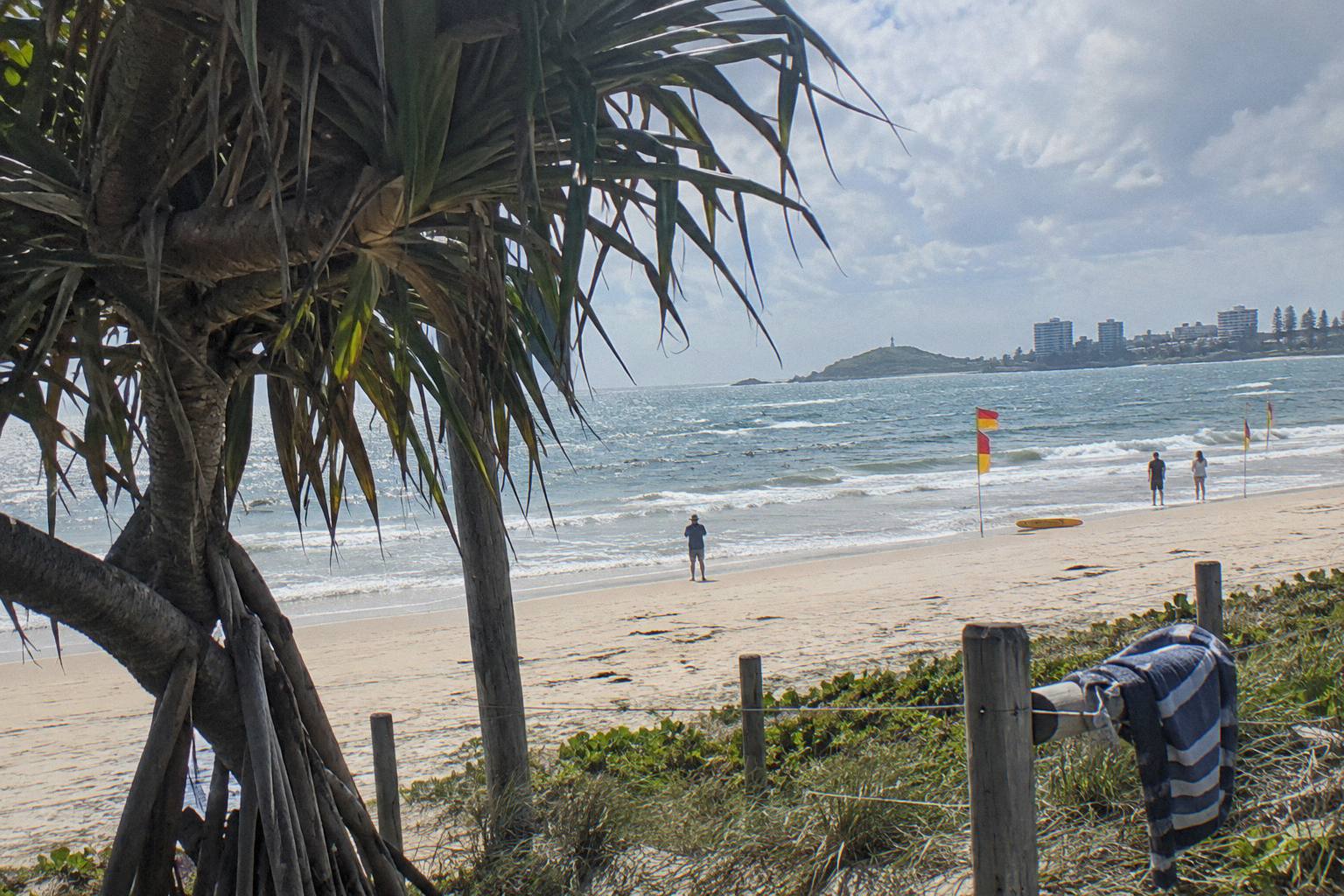
The one weather-and-stomach connection the sources allow is that wind builds through the day and wind shapes the water. A morning departure sits closer to the calm end of that pattern, an afternoon departure closer to the wind-built end, and the difference on any single date can be large or negligible depending on the system over the coast. The Mooloolah River start shared by the Mooloolaba trips adds a gentle opening to any sailing, but the open water beyond the river mouth is where the uncertainty sits, and conditions there differ from the beach view, as Whale One's page states.
Maritime Safety Queensland adds one further note that belongs in any serious seasickness conversation: the Mooloolah Bar is a designated coastal bar, lifejackets are compulsory for everyone on open boats or in open areas while crossing it, and conditions on a bar can change quickly and without warning, even on a good day. That is a statement about bars generally, not a claim that Mooloolaba trips are dangerous, and it explains why the operators, not the passengers, make the final call on whether a sailing goes ahead. The seasickness guide and the piece on whether cruises run in rough weather cover the operator cancellation policies in detail.
The practical playbook from the sourced facts is short. Prefer the morning if your stomach decides for you. Take the operator advice on seasickness tablets, and check with your doctor if you are unsure. Book a trip with free cancellation (up to 24 hours before departure on most, up to 3 days on the Sunreef 3-Hour Whale Cruise and Swim With Humpback Whales) on the booking page, which every trip in the material carries, so a hard forecast has an exit. And treat the beach as a poor forecast of the offshore sea, exactly as Whale One's own page warns.
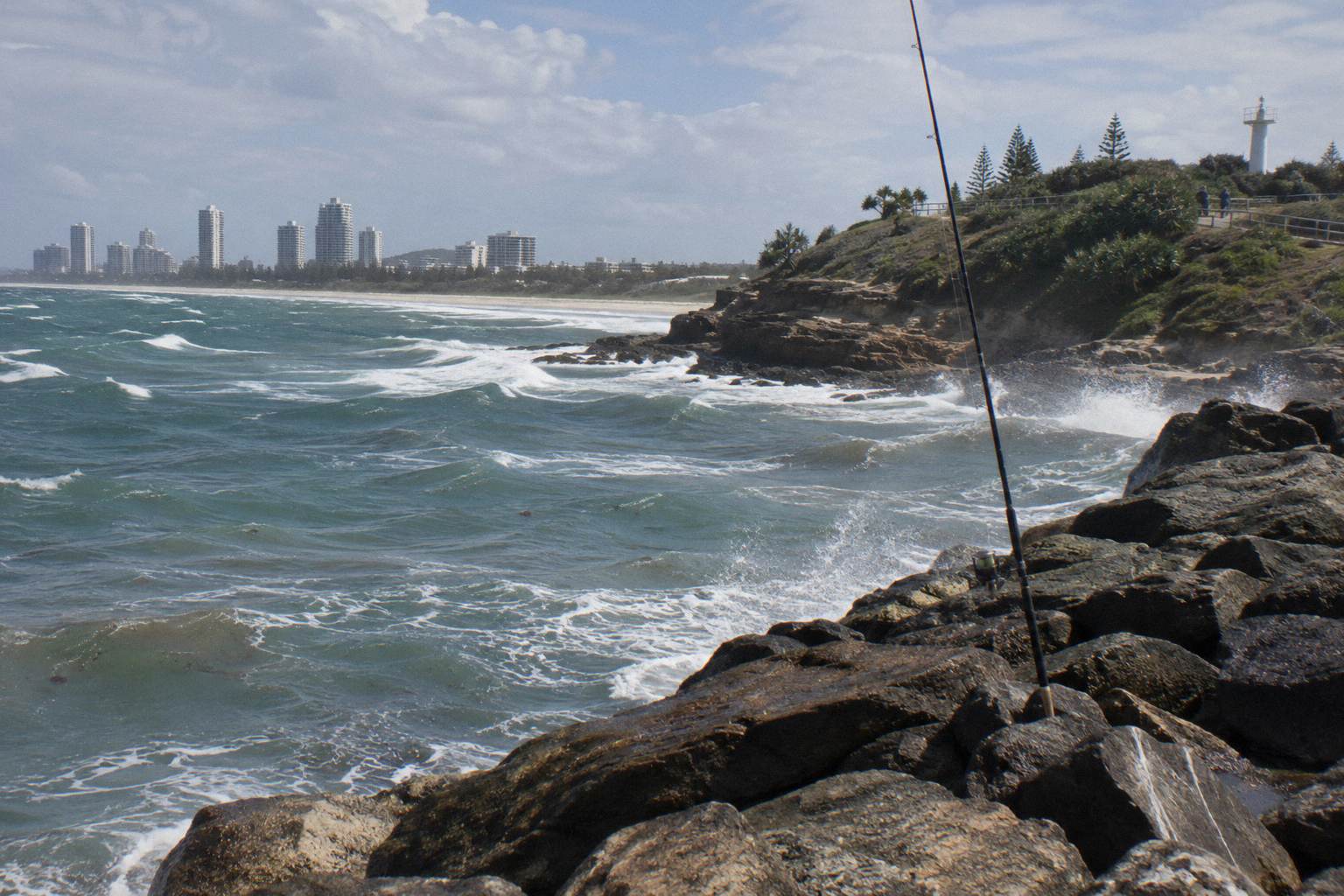
What About A Swim With Whales Trip, Morning Or Afternoon?
Book the morning. The swim trip, Swim With Humpback Whales, runs four hours from The Wharf Mooloolaba at A$269 per person, seasonally from July to mid October, so conditions matter more than on a two-hour cruise, and mornings tend to offer calmer seas. Queensland's rule applies regardless of hour: swimmers must stay at least 100 metres from a whale, with operator rules on top.
Four hours on the water changes the arithmetic. A morning departure means the early calm the government describes applies to more of your trip, but it also means an early check-in and a full morning committed before you are back on land. A later start spreads the same four hours across the middle of the day, when the wind statement is at its least favourable, though, as with every trip here, the day you sail decides more than the hour you sail. The operator's arrival and check-in details for your date show during booking, and the same 30-minutes-early parking advice from Adventure Rafting applies only to its own trips, not to this one.
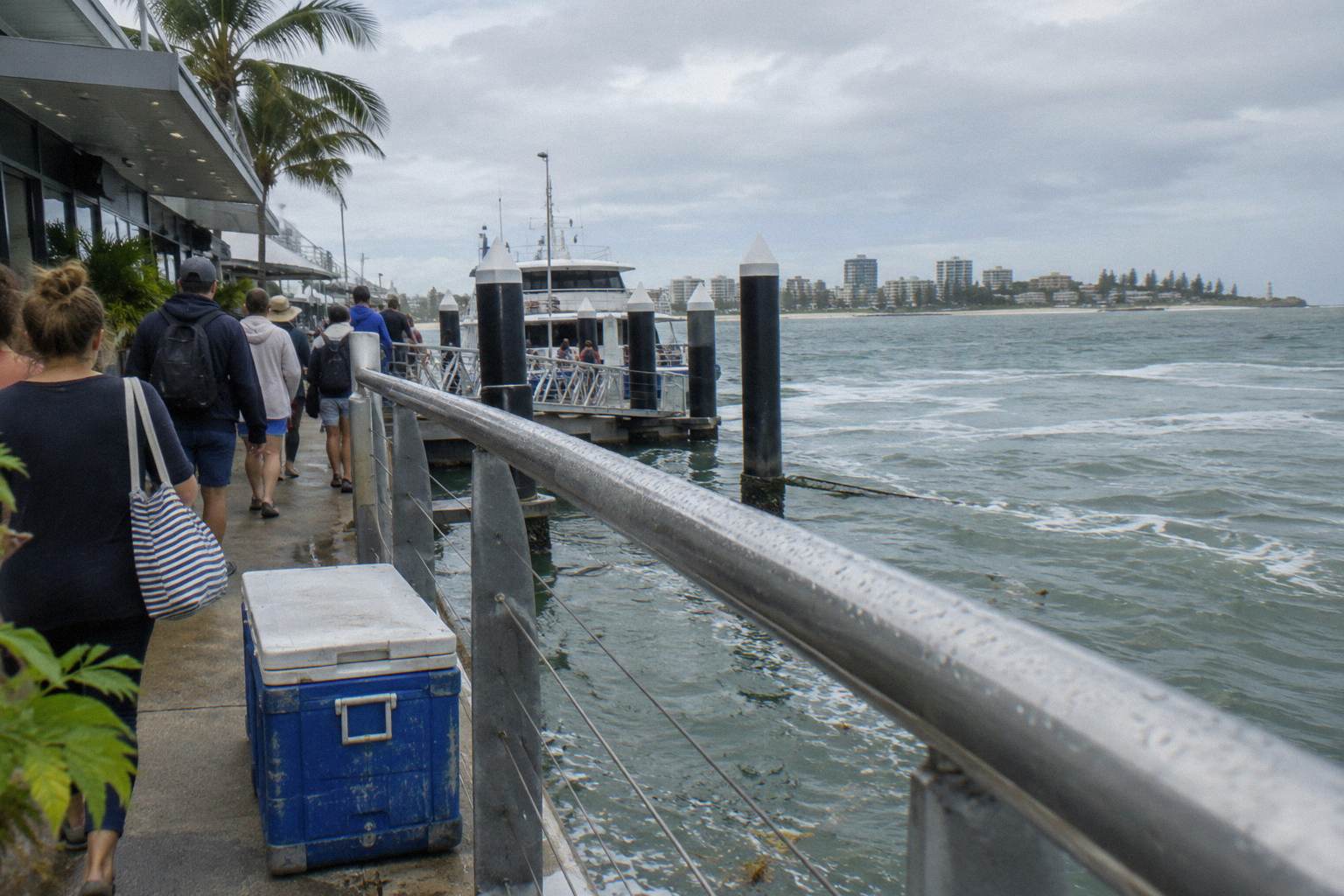
The rules frame the experience whatever the hour. Queensland law sets the 100-metre in-water distance for people near whales, and the Commonwealth's 2017 national guidelines, which Sunreef says its encounters follow, state that swimmers must not enter the water closer than 100 metres to a whale and must not approach closer than 30 metres, and that swimming should not occur with calves or pods containing calves. No Queensland instrument in the material sets swimmer numbers or line rules for a Mooloolaba programme, so those operational details come from the operator's own briefing on the day.
Budget-wise, the comparison across the Mooloolaba options is straightforward, with all amounts in Australian dollars: the Sunreef 3-Hour Whale Cruise from A$89 per person, Sunshine Coast Afloat, 3 Hours from A$105 per person, the Fast Boat, Free Cancellation trip from A$115 per person, and Swim With Humpback Whales from A$269 per person. For trips without a published from-price, including the Coastal Express Small Boat and the private options, the booking page shows the price for your date.
| Trip | Length | From Price | What It Suits For Timing |
|---|---|---|---|
| Sunreef 3-Hour Whale Cruise | 3 hours | from A$89 per person | A mid-length trip that fits either side of lunch |
| Fast Boat, Free Cancellation | 2 hours | from A$115 per person | Short morning slot, over by mid-morning on the 8am sailing |
| Sunshine Coast Afloat, 3 Hours | 3 hours | from A$105 per person | A slower-paced morning or afternoon from 21 Parkyn Parade |
| Swim With Humpback Whales | 4 hours | from A$269 per person | A half-day commitment; the morning calm covers more of it |
Common Mistakes When Picking A Departure Time
The recurring mistakes are concrete: booking the wrong slot for your travel day, arriving late into time-limited parking, assuming a morning guarantees a sighting, assuming every boat shares one age rule, and treating the beach as a forecast of the offshore sea. Each is avoidable with one small check before you book, and none costs anything to fix at the planning stage.
The first mistake is ignoring your own logistics. An 8am departure from The Wharf means being there well before 8, and if you are driving from Brisbane or the Gold Coast that morning, the arithmetic of distance against an early check-in often points to an 11am or 2pm slot instead. There is a dedicated piece on the day trip from Brisbane to Mooloolaba that works through that timing. The second is parking: The Wharf has time-limited parking, peak season fills it, and Adventure Rafting's own advice to arrive 30 minutes before sailing exists precisely because late arrivals lose sailings.
The third mistake is believing a morning ticket buys a whale. It does not, and no trip in the material says it does. The fourth is assuming the age and condition rules are the same everywhere: Adventure Rafting sets minimum age 5 and does not carry pregnant guests on its trips, Sunreef states no numeric minimum but requires children under 16 to be accompanied and does not carry pregnant guests, and other trips publish no age rule at all. The fifth is judging the sea from the sand, which Whale One's page explicitly warns against. And the sixth, for anyone booking the cruise rather than the swim, is assuming a swim is included in a whale watching cruise ticket; it is a separate product with its own season and rules, as the cruise versus swim comparison sets out.
A short checklist before you book any slot: confirm the departure time for your date during booking; check the cancellation window, free cancellation is on the booking page for every trip covered here; check the age rule for your specific trip; plan to arrive with slack for parking; and if seasickness is a factor, lean toward the morning the government's wind statement describes.
Common Questions About Morning Or Afternoon Whale Watching
Is It Better To Go Whale Watching In The Morning Or Afternoon?
The Queensland Government says calm conditions are most likely in the morning, before any wind picks up, which gives the morning the edge for comfort. No published source claims whales are more likely to be seen at any particular hour, so the afternoon remains a sound choice when your schedule suits it.
Do Morning Whale Watching Trips See More Whales?
No source in the material claims a sighting difference between morning and afternoon. The timing facts that do exist are seasonal: Visit Sunshine Coast says July and August carry the largest northbound numbers, and a peer-reviewed study found the southbound adult peak at Peregian Beach has moved forward to mid-September by 2023 and 2024.
What Departure Times Are Available From Mooloolaba?
Adventure Rafting publishes 8am, 11am and 2pm departures, seven days, for its own trips. For the other Mooloolaba trips, the departure time for your date shows during booking, so check the slot offered before assuming a morning or afternoon sailing.
Is A Morning Whale Trip Less Rough Than An Afternoon One?
The government's wind statement points that way in general, but it is a pattern, not a forecast for your date. Whale One's page notes that conditions offshore can differ from how the beach looks, and operators cancel or rebook when sea conditions rule a trip out.
Which Time Of Day Suits A Family With Kids Best?
Whichever hour your children handle best. The age rules differ by operator: Adventure Rafting sets a minimum age of 5 for its trips, while Sunreef states no numeric minimum, with children under 16 accompanied by an adult. No age rule depends on the departure time.
Can I Change Or Cancel My Whale Watching Booking If The Weather Turns?
Every trip covered here carries free cancellation on the booking page. Inside that window, the operator's own terms govern: Whale One rebooks or refunds if sea conditions cancel a trip, and Adventure Rafting reissues or refunds tickets when it cancels for weather, wind or swell.