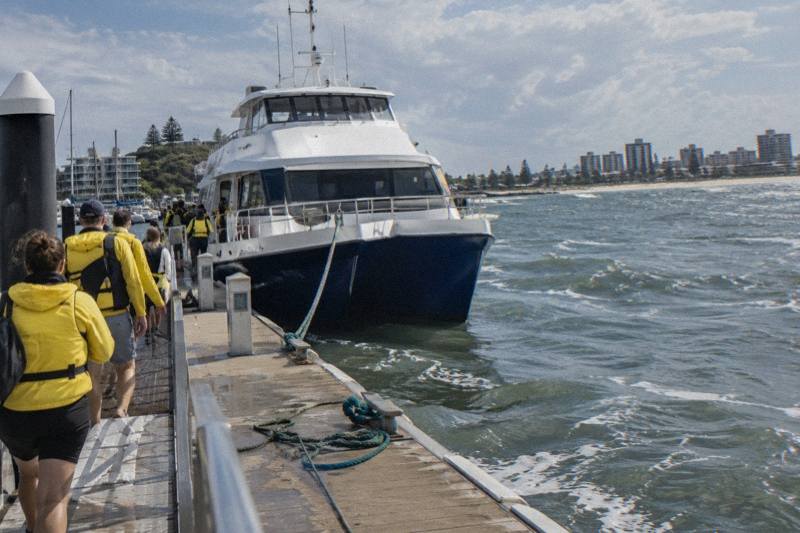
Whale Watching And Seasickness: How To Keep Your Stomach Settled
The whale trips covered here run from two to four hours, and the operators themselves are the best source on seasickness: Sunreef and Adventure Rafting both advise considering seasickness tablets, Whale One issues no rebooking or refund for seasickness, and conditions offshore can differ from what the beach suggests.
Short answer
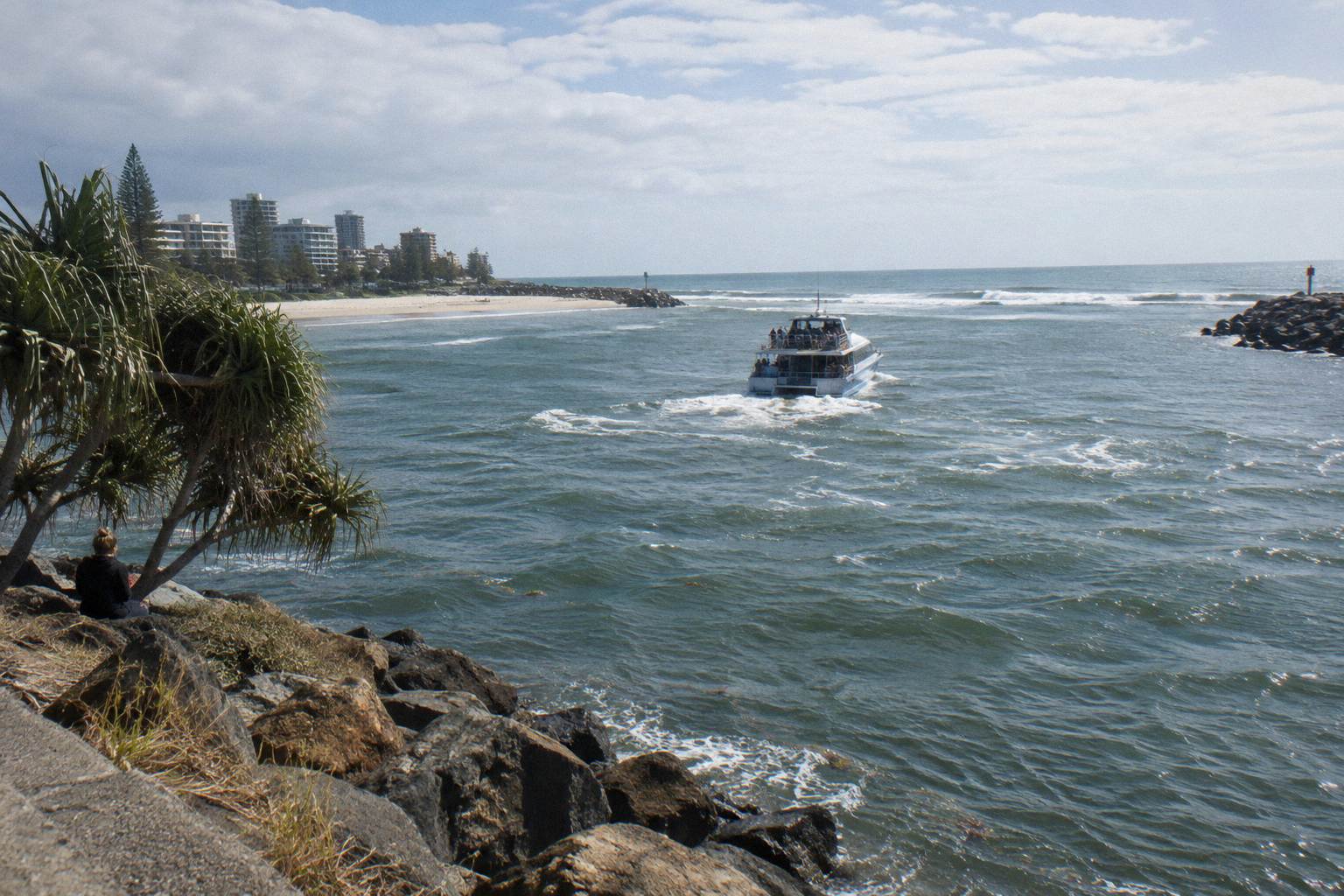
Mooloolaba whale trips run 2 hours (Adventure Rafting, Coastal Express Small Boat), 3 hours (Sunreef 3-Hour Whale Cruise from A$89 per person; Sunshine Coast Afloat, 3 Hours from A$105) or 4 hours (Swim With Humpback Whales from A$269). Operators advise considering seasickness tablets; Sunreef sells medication onboard, and Whale One gives no rebooking or refund for seasickness.
Does Everyone Get Seasick On A Whale Watching Trip?
No, and the nervous reader planning a first trip should know that motion sickness on a whale cruise is common enough that every major operator here addresses it directly, but it is not universal, and nothing about a Mooloolaba departure makes it inevitable. Sunreef and Adventure Rafting both advise guests to consider seasickness tablets, Adventure Rafting adds that its friendly crew will take good care of you, and Sunreef sells medication onboard, so the operators themselves treat seasickness as a normal part of the day rather than a reason to stay ashore. What no operator can do is promise how your body will react, and no trip covered here promises a symptom-free sailing.
That distinction matters because the marketing language around whale watching tends to skip the stomach entirely. The facts that actually help a nervous reader are smaller and more practical: how long each trip runs, what the operator says before you board, what happens if the sea turns, and whether a refund exists if you spend the trip unwell. Those are all answerable from operator statements, and they are what the rest of the page works through.
One point to settle early: seasickness on a boat is not a character flaw or a sign a trip was badly run. The operators' own preparation, tablets sold at the counter, crew care statements, explicit no-refund policies, treats it as an ordinary risk of a day on open water. Planning around it is normal planning.
If you have a medical condition, are pregnant, or take prescription medication, check with your doctor before booking, because two of the operators here also state their own restrictions: Sunreef does not carry pregnant guests, and Adventure Rafting states its trips are not suitable if pregnant.
How Long Is Each Trip And Why Length Matters
Trip length is the single most practical seasickness variable you control at booking: Mooloolaba whale trips run two, three or four hours, and the shortest option, at two hours, halves the time a sensitive stomach is exposed compared with the four-hour Swim With Humpback Whales trip. The Sunreef 3-Hour Whale Cruise runs three hours from The Wharf Mooloolaba, and Adventure Rafting's Fast Boat, Free Cancellation and Hydrophone Whale Adventure each run two hours from the same wharf. Sunshine Coast Afloat, 3 Hours runs three hours from 21 Parkyn Parade, and the Swim With Humpback Whales trip runs four hours.
The reason length matters is simple arithmetic rather than medicine: a two-hour trip is two hours of exposure, a four-hour trip is four. Nobody can tell you which you would find manageable, but you can decide how long you are willing to find out. A reader who has never been on open water and is anxious about it has a reasonable case for starting with a two-hour trip and moving to longer formats on a later season.
| Trip | Duration | From price per person | Departure point |
|---|---|---|---|
| Sunreef 3-Hour Whale Cruise | 3 hours | from A$89 | The Wharf Mooloolaba, 123 Parkyn Parade |
| Fast Boat, Free Cancellation | 2 hours | from A$115 | The Wharf Mooloolaba |
| Hydrophone Whale Adventure | 2 hours | from A$115 | The Wharf Mooloolaba |
| Sunshine Coast Afloat, 3 Hours | 3 hours | from A$105 | 21 Parkyn Parade, Mooloolaba |
| Coastal Express Small Boat | 2 hours | the booking page shows the price for your date | The Wharf Mooloolaba, 123 Parkyn Parade |
| Swim With Humpback Whales | 4 hours | from A$269 | The Wharf Mooloolaba, 123 Parkyn Parade |
| Jet Boat Whale Adventure | approx. 2 hours | the booking page shows the price for your date | Kawana Waters Hotel deck, Buddina |
| Noosa Thriller Whale Watching | 2 hours | from A$105 | 194 Gympie Terrace, Noosaville |
| Oceanrider Small-Group Tour | 2 hours | from A$99 | Noosa Marina, Tewantin |
| Whale And Dolphin Charters | 2 hours | the booking page shows the price for your date | The Big Pelican, 180 Gympie Terrace, Noosaville |
All amounts in the table are Australian dollars, shown as per-person from-prices on the booking pages; the price for your date and group shows during booking. One more length nuance comes from Sunreef's own description of its trip: the boat is docked on the river behind the shop, and the trip out of the river takes about 15 minutes, so part of every Sunreef cruise is flat river water before the bar and the open sea. That is the operator's description of its own trip and applies to it alone.
For a first trip, the Sunreef three-hour cruise from the Wharf is the middle option on both time and price: long enough to reach the whales' line of travel, short enough that a difficult stomach has a defined end point, and the river start means boarding is calm water by the operator's own account. If even two hours feels like a gamble, the shore-based alternative described in whether you can whale watch from shore on the Sunshine Coast costs nothing at all.
What The Operators Say About Seasickness
The operators' own words are the best seasickness information available: Sunreef and Adventure Rafting both advise considering seasickness tablets, Sunreef sells medication onboard, Adventure Rafting says its friendly crew will take good care of you, and Whale One states plainly that it will not issue rebookings or refunds for being seasick. Those statements come from the operators' own pages, not from reviews or third parties, and each applies only to the operator that made it. No other operator here publishes a seasickness statement, so for any other trip the answer is to ask the operator directly before booking.
The Whale One policy deserves a careful read because it cuts both ways. On the care side of the ledger, Whale One's own page states that if sea conditions force a cancellation it will either rebook you for another day or refund you, and Whale One's own policy is a free return trip if no whales are seen on its tours. On the strict side, the same page states it will not issue any rebookings or refunds for being seasick. In plain terms: if the operator cancels for weather you are covered, but if the trip runs and you are unwell, the fare stands. That is the operator's stated policy for its own tours, quoted here once.
| Operator (its own trips) | What it says about seasickness | Related policy statements |
|---|---|---|
| Sunreef / Whale One | advises considering seasickness tablets; sells medication onboard | sea-condition cancellation: rebook or refund; no rebooking or refund for being seasick |
| Adventure Rafting | advises considering seasickness tablets; the operator says its friendly crew will take good care of you | cancels for weather, wind or swell with the ticket reissued or refunded; also cancels for low numbers |
| Other trips covered here | ask the operator | check the cancellation terms on the booking page for your date |
Adventure Rafting runs the two-hour Fast Boat, Free Cancellation and the two-hour Hydrophone Whale Adventure from Marine berth 42 at The Wharf, next to Prawn Star; its own page carries the arrive-30-minutes-before-sailing advice, the maximum of 20 guests, the onboard toilet and the minimum age of 5 for its trips. The Hydrophone trip is the same two-hour format at the same from-price of A$115 per person, so if a shorter exposure window is the priority, either works on the seasickness arithmetic, and the choice between them comes down to format rather than duration.
One habit worth forming before any booking: ask the operator the seasickness question directly, in your own words, when you book. The operators that publish statements have answered it publicly; the ones that have not will answer it in a message, and their answer tells you how they treat the question as well as what the policy is.
Why Offshore Conditions Differ From The Beach
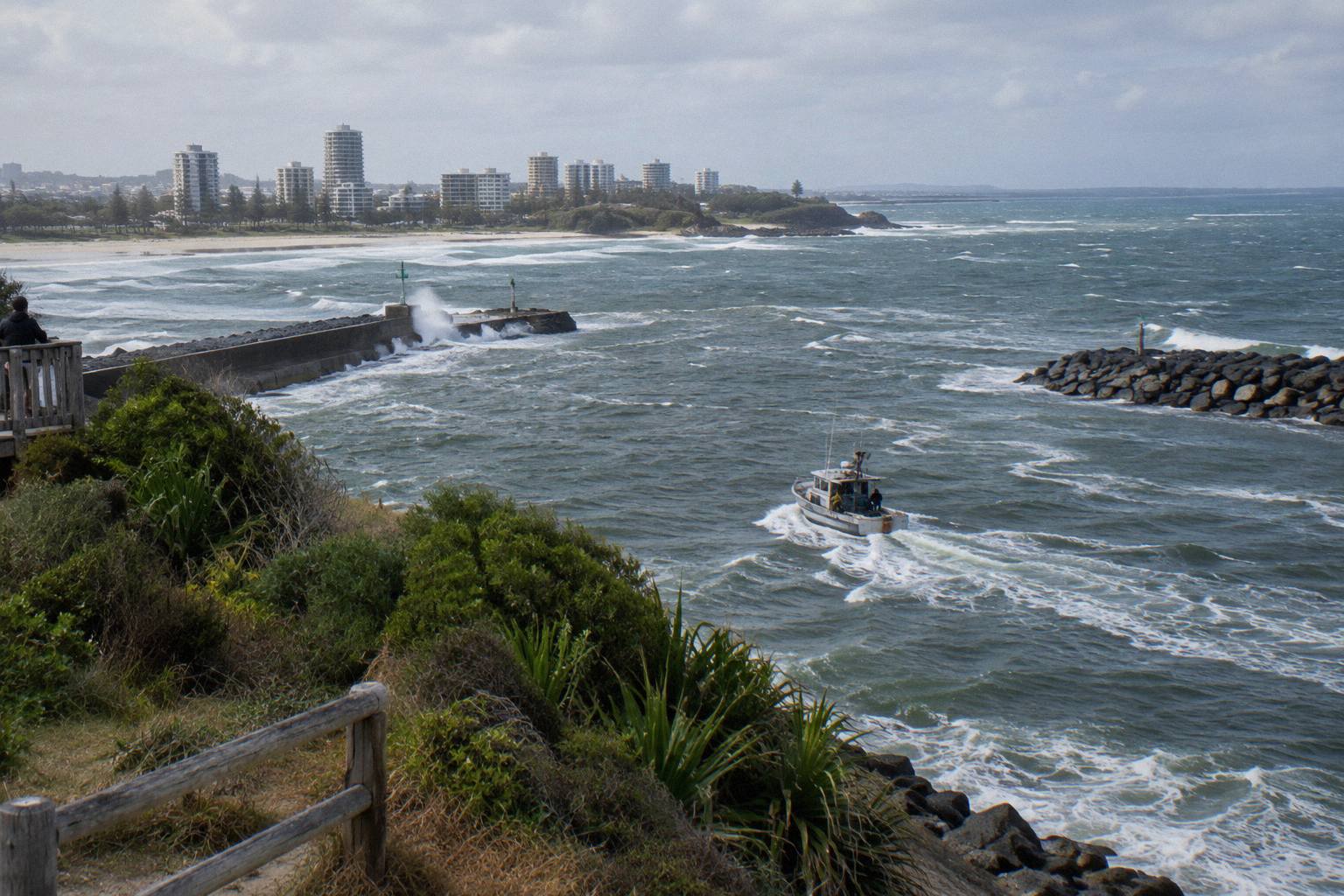
Offshore conditions often look nothing like the beach, and Whale One says so directly: although the weather on the beach can seem perfectly fine, it does not always give an accurate representation of what conditions are like offshore. Wind, swell, and exposure away from sheltered land can change fast, so a calm shoreline morning can still mean a rougher trip out on open water. That single operator statement explains most seasickness surprises on this coast. The beach at Mooloolaba faces north into sheltered water, while the whale grounds sit beyond the river mouth, and what a visitor judges from the sand in the morning is not a reliable measure of the swell the boat will work in. The practical consequence is to judge the day by the operator's own go or no-go call, not by the view from the esplanade.
Between the river and the open water sits the Mooloolah Bar, a designated coastal bar, and Maritime Safety Queensland's bar page carries the governing facts: conditions on a bar can change quickly and without warning, even on a good day, and lifejackets are compulsory for everyone on open boats or in open areas while crossing. The crossing is short, but it is the part of the trip where the motion is most changeable, and knowing it exists, and that it is a regulated crossing rather than a casual exit, helps a nervous reader frame what the first and last minutes of a trip involve.
None of that is a reason to expect a rough day, and nothing here can predict the sea for your date. It is a reason to treat the operator's cancellation framework as the real safety net: Adventure Rafting reissues or refunds tickets when weather, wind or swell cancels a sailing, and Whale One rebooks or refunds when it cancels for sea conditions. The decision on whether a trip runs sits with the operator, not with your reading of the beach. For a fuller treatment of the weather side, see how sea conditions affect whale watching trips.
Trip format sits alongside all of this. The Coastal Express Small Boat runs two hours from The Wharf Mooloolaba at 123 Parkyn Parade, rated 4.1 from 10 reviews, with the booking page showing the price for your date; the short duration makes it another low-exposure option, and its free cancellation gives a change-of-mind window. No group-size, vessel or stability claim is made for it here, because none is published; the decision rests on time, price and cancellation, which are stated.
Which Months And Departure Times Feel Easier
The Queensland Government's own whale watching page states that calm conditions are most likely in the morning "before any wind picks up", which is the one official time-of-day statement available, and it is a statement about likelihood, not a promise about any given departure. Adventure Rafting's published departures for its own trips are 8am, 11am and 2pm, seven days, so an early sailing exists on at least one operator's schedule; the departure for your date and trip shows during booking. Nobody can tell you in advance how a given sailing's conditions will turn out, and no such claim should be trusted anywhere it appears. Since conditions are only half the picture, the guide to actual whale sighting odds on a watching tour covers what season timing and sighting policies tell you before you book.
The season side is better documented. The Queensland Government describes humpbacks migrating north along the coast between May and July and turning south in July and August; Visit Sunshine Coast calls the official season June to November and says July and August carry the largest northbound numbers; Sunreef says its tours run from early June to very early November. For a nervous reader, the useful season fact is climate rather than whales: at the nearby airport station, the Bureau of Meteorology's long-term averages show the whale-season months of June to October with mean maxima of 21.2 to 25.7 degrees Celsius and the driest stretch of the year from July to September.
| Month | Mean maximum (C) | Mean minimum (C) | Mean rain days of 1 mm or more |
|---|---|---|---|
| June | 21.5 | 11.3 | 8.9 |
| July | 21.2 | 9.7 | 6.9 |
| August | 22.3 | 10.1 | 5.6 |
| September | 24.3 | 13.0 | 5.4 |
| October | 25.7 | 15.8 | 7.5 |
Sunreef adds an operator statement on water temperature for its season: 19 to 23 degrees Celsius. And the Queensland whale watching page is also the source for the migration timing above. None of these figures says anything about swell on your date; they describe the climate window the trips run in, which is useful for packing and expectations, not for predicting motion.
One longer-format consideration belongs here. The Swim With Humpback Whales trip runs four hours, the longest exposure of any trip covered here, from A$269 per person, with the operator's own swim season stated as July to mid October. If a sensitive stomach is part of the picture, the choice between a cruise and the swim format is exactly the trade-off explored in choosing between a whale cruise and a swim trip, and the four-hour duration belongs in that weighing.
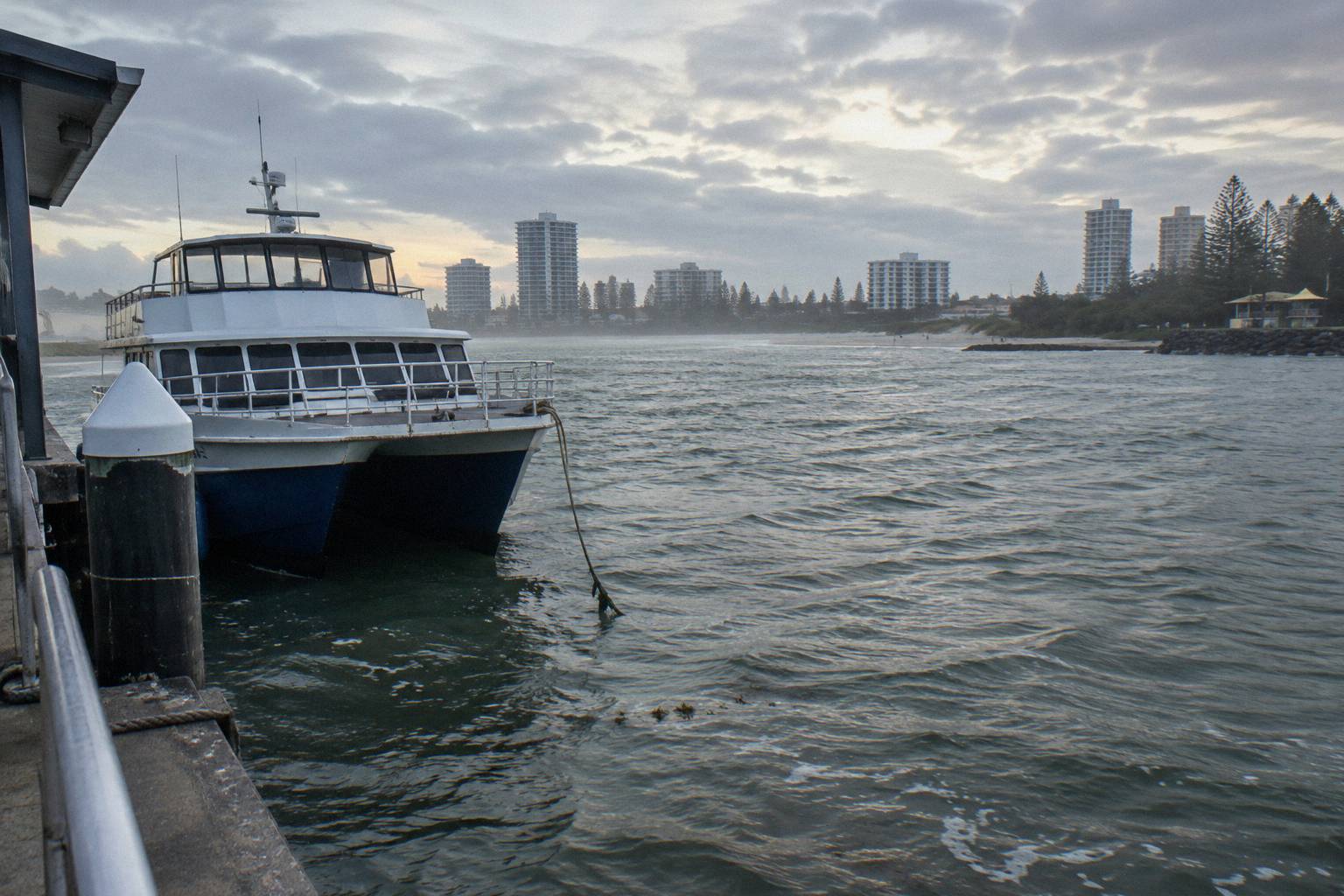
For planning the whole day around an early sailing, Mooloolaba Whale Watching brings the departure points, check-in details and parking picture together in one place, which matters because time-limited parking at The Wharf means arriving early in peak season.
What To Wear And Bring On Board
Nothing you wear prevents motion sickness, and no remedy is recommended here, but a handful of practical choices reduce the number of things going wrong at once: layers for the season's range, a small bag rather than armfuls, medication decisions made with a pharmacist or doctor before the day, and the operator's own advice, considering seasickness tablets, taken seriously. The Bureau table above shows whale-season minima down to 9.7 degrees Celsius, so a July morning on open water is genuinely cold work even when the afternoon is mild, and being cold and uncomfortable makes everything about a long sailing harder.
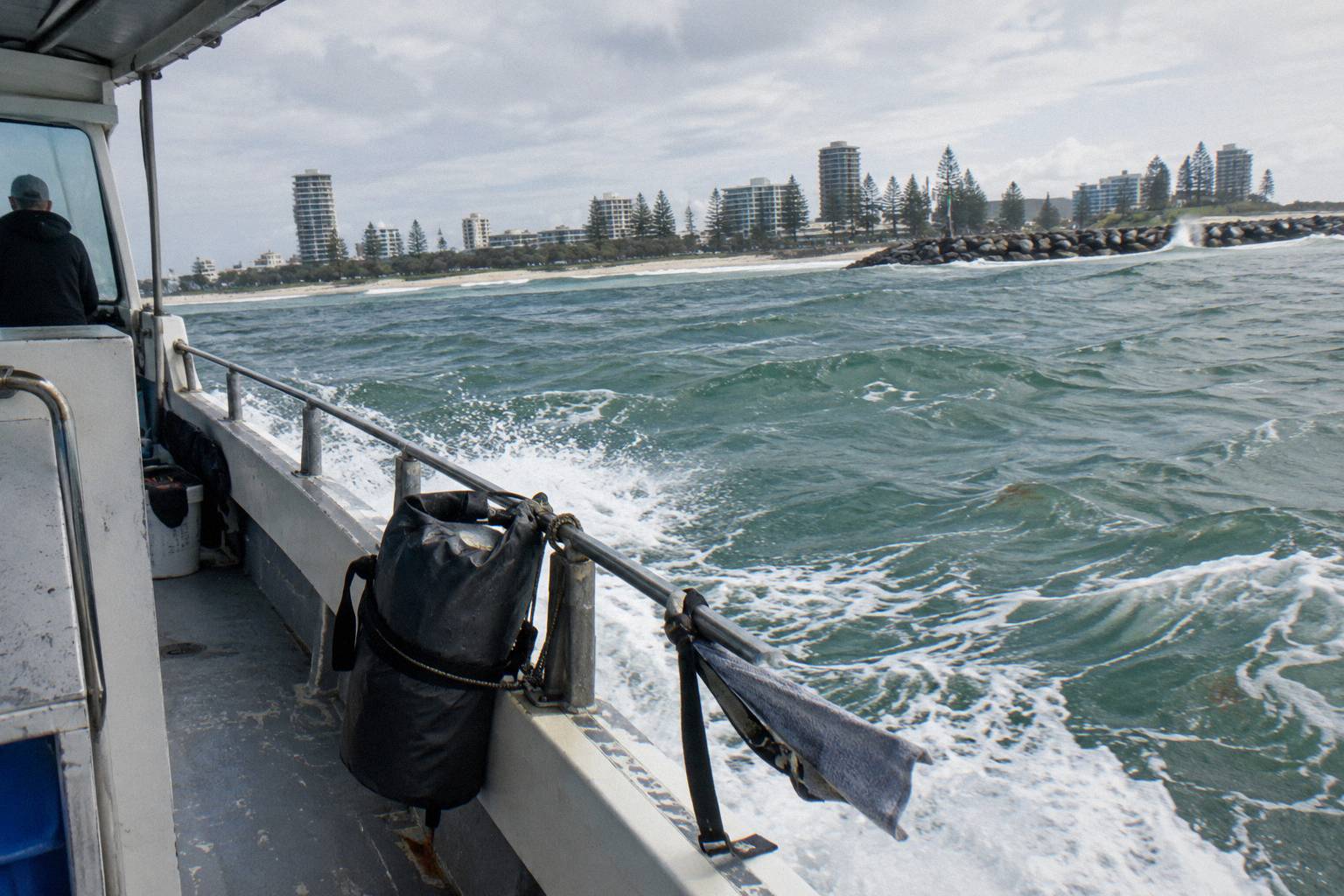
The clothing detail is covered properly in what to wear on a whale watching cruise, including windproof outer layers and the case for a dry layer for the run home. What belongs on the seasickness side of the ledger is smaller: eat something plain before boarding rather than sailing on an empty stomach or a heavy breakfast, keep water with you, pick a spot where you can see the horizon, and tell crew early rather than toughing it out, which is what Adventure Rafting's crew-care statement is for. None of that is medical advice; it is ordinary seamanship, and every one of those habits is standard on any boat.
The medication question belongs to a pharmacist or doctor, said once and plainly: if you are considering seasickness tablets, ask a professional before the day, particularly if you take other medication. Sunreef sells medication onboard, which tells you the operator expects the question, and Adventure Rafting advises considering tablets in its own pre-trip text. Both statements are the operators' own; neither is an instruction or a dose.
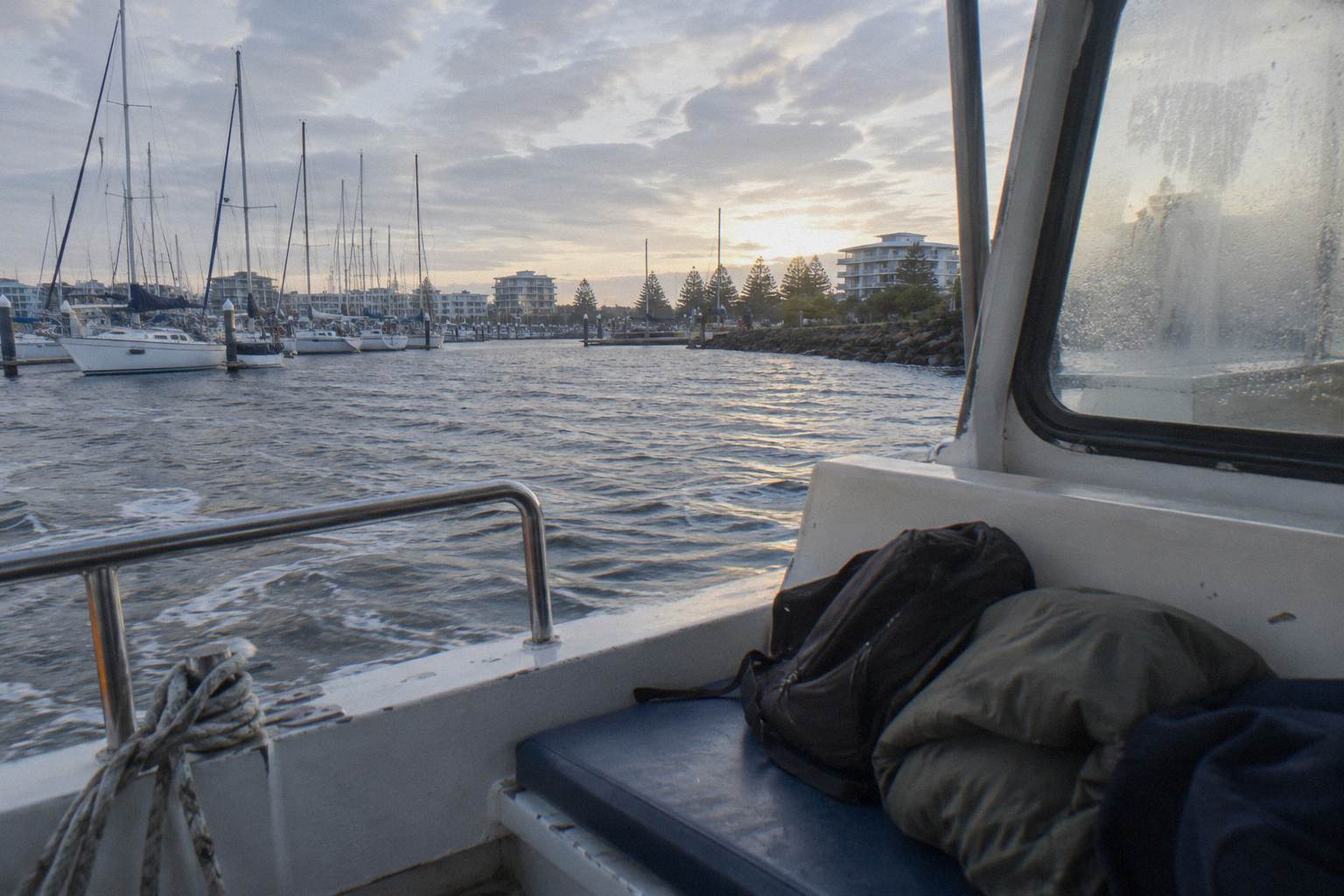
A last practical item: keep your booking confirmation and the operator's contact details on your phone, not just in email. If the operator cancels for sea conditions, or if you need to ask a question at the wharf, the answer is faster with the details to hand.
What To Ask Before You Book
Four questions cover almost everything a nervous stomach needs answered before money changes hands: how long is the trip, what is your seasickness policy, under what conditions do you cancel or refund, and where exactly do I board and when should I arrive. Each has a published answer for some operators and none for others, so the table below separates what the operators state from what you need to ask. Where a cell says ask the operator, that is the action, not a gap in the trip.
| Question to ask | Published answer for Sunreef / Whale One | Published answer for Adventure Rafting | Other trips |
|---|---|---|---|
| How long is the trip? | 3 hours (cruise); 4 hours (swim) | 2 hours | 2 to 3 hours; ask the operator |
| What is your seasickness advice? | consider seasickness tablets; medication sold onboard | consider seasickness tablets; crew will take good care of you | ask the operator |
| Do you rebook or refund if I am seasick? | no rebooking or refund for being seasick | not published; ask the operator | ask the operator |
| When do you cancel for sea conditions? | rebook or refund when the operator cancels | ticket reissued or refunded; also cancels for low numbers | ask the operator |
| Where do I board and when should I arrive? | Shop 11-12, The Wharf; check in at the Sunreef desk | berth 42, The Wharf; arrive 30 minutes before sailing | varies; ask the operator |
The cancellation column deserves a second look, because it is where money and stomach meet. Free cancellation applies on the booking page for every trip covered here, which covers a change of mind the day before. Once the trip sails, the seasickness policies above take over, and they differ by operator: Whale One's is stated and strict, Adventure Rafting's weather cancellation is stated with its seasickness handling not published, and every other operator should be asked directly. Booking with those answers in hand is the difference between a nervous but prepared day out and an expensive surprise.
If the three-hour cruise is the format that fits, availability and departure times for your date are the next thing to check: Check availability.
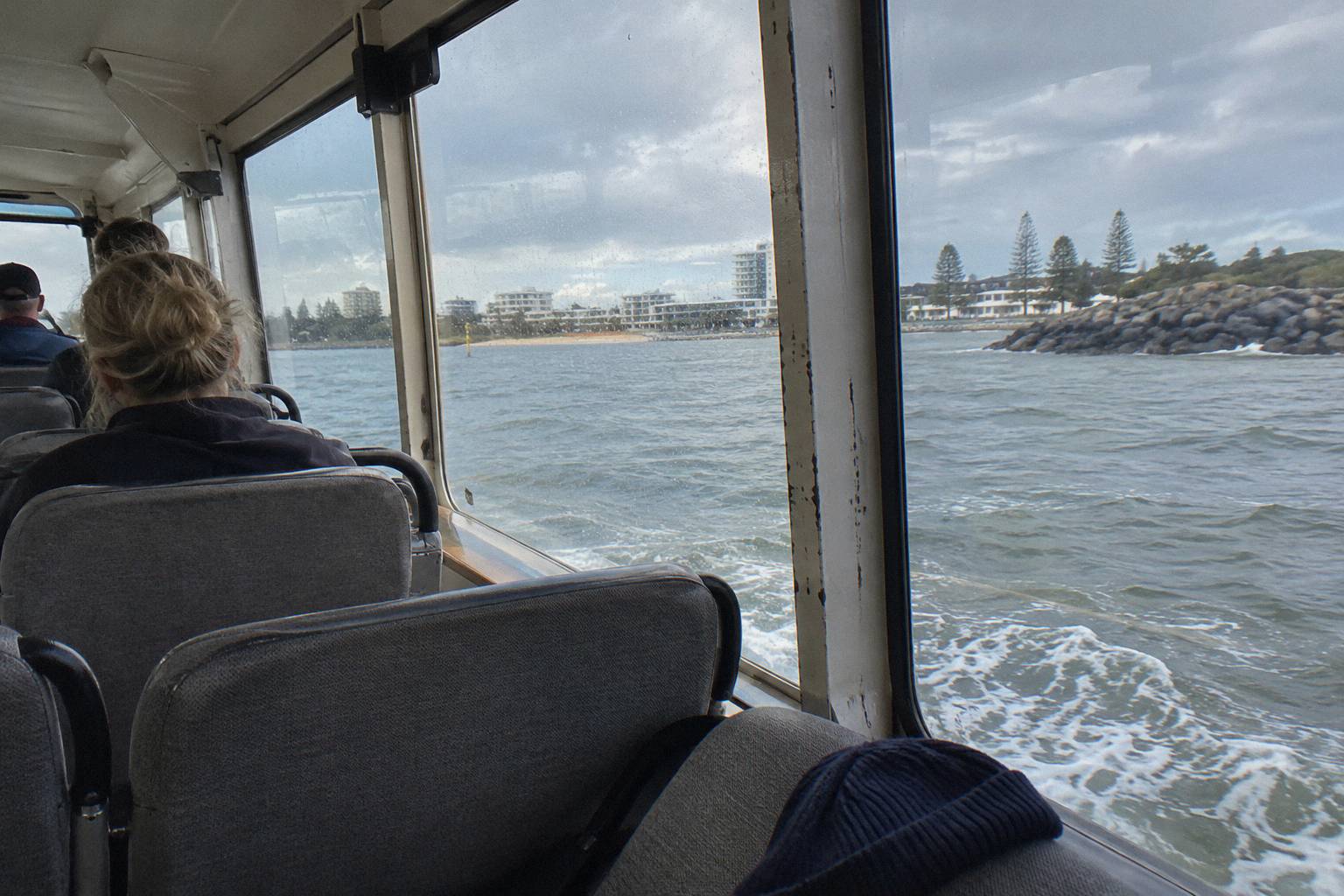
Common Mistakes When Booking With A Nervous Stomach
The recurring mistakes are booking a four-hour trip when a two-hour trip would do, judging the sea from the beach instead of the operator's own conditions call, assuming every boat has the same seasickness and cancellation policy, arriving late at a wharf with time-limited parking, and expecting a refund for seasickness where the operator has stated there is none. Each of those is avoidable with a question or a smaller booking, and none of them is corrected after the boat leaves the river.
The arrival mistake is worth spelling out because it compounds everything else. Adventure Rafting's own advice for its trips is to arrive 30 minutes prior to sailing because parking can be difficult during peak times, and public parking at The Wharf is time-limited, so a rushed arrival, a long walk and a flustered boarding are a bad opening act for a stomach you are trying to keep settled. Build in the buffer the operator asks for.
The policy mistake is the expensive one. Assuming a refund exists for seasickness because a weather-cancellation refund exists is exactly the confusion Whale One's own page closes off: sea-condition cancellations are rebooked or refunded, seasickness on a sailing trip is not. Read the policy for your operator, not the policy for another, and where nothing is published, ask before booking rather than after.
The final mistake is treating seasickness as a reason not to go at all. The operators here plan for it, sell for it, staff for it and write policy for it; the reader's job is to pick a length that suits, ask the questions in the table above, and give the crew the chance to help early rather than late.
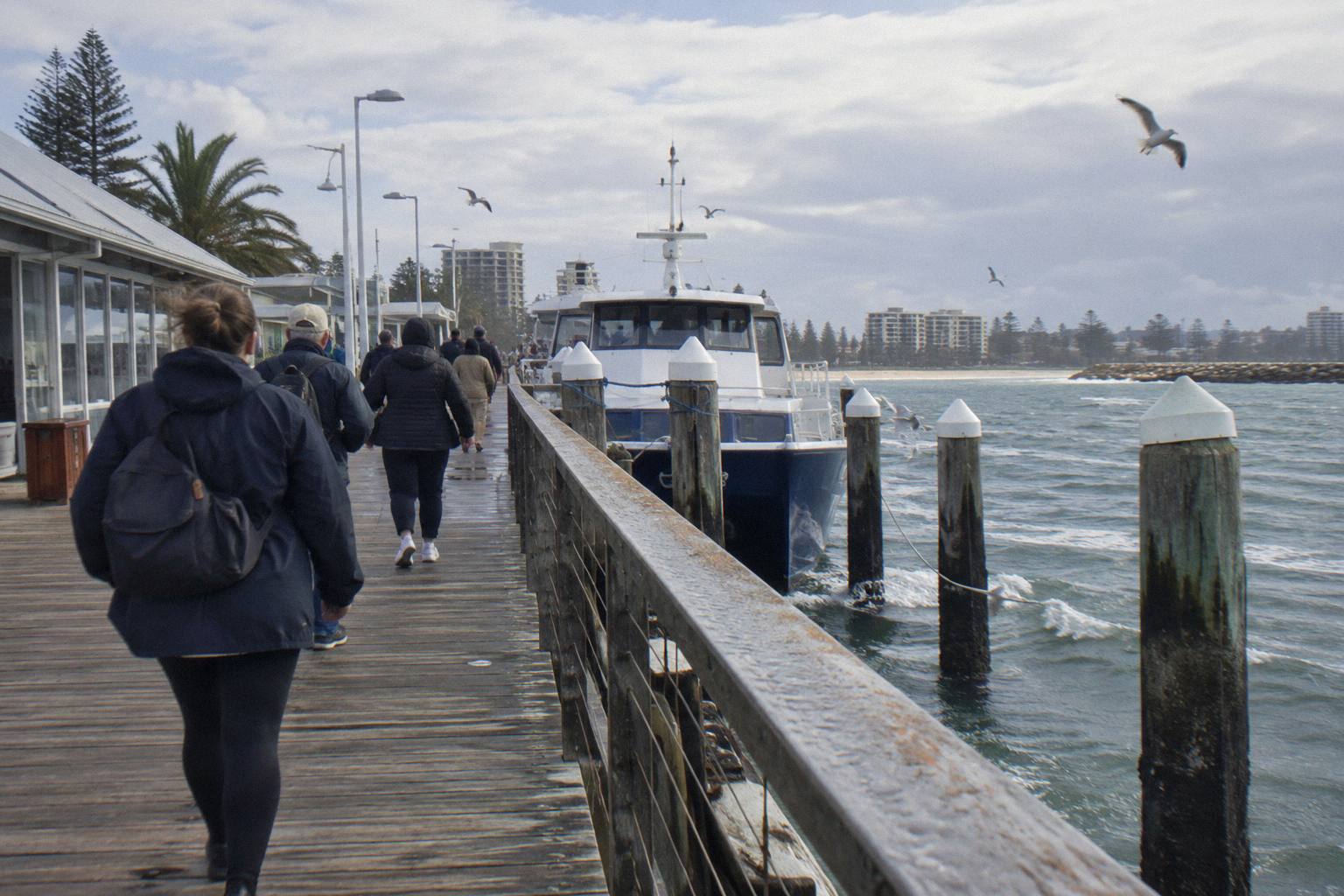
Whatever length and format you settle on, the same three trips anchor most first bookings from Mooloolaba, and each pairs a defined duration with the free cancellation.
Common Questions About Whale Watching And Seasickness
Will I Get Seasick On A Whale Watching Cruise?
Nobody can promise either way, and no trip covered here claims you will not. The operators plan for seasickness: Sunreef and Adventure Rafting advise considering seasickness tablets, Sunreef sells medication onboard, and Adventure Rafting says its crew will take good care of you. Choosing a shorter trip, from two hours up, limits your exposure if you are unsure.
Do Whale Watching Operators Cancel If Conditions Are Rough?
Some state their rules and others should be asked directly. Whale One says it will either rebook you for another day or refund you when it cancels for sea conditions. Adventure Rafting cancels for weather, wind or swell with the ticket reissued or refunded, and also cancels for low numbers. The operator decides whether a trip runs, not the view from the beach.
Can I Get A Refund If I Am Seasick During The Trip?
For Whale One's tours, no: its own page states it will not issue any rebookings or refunds for being seasick. Adventure Rafting has not published a seasickness refund policy, so ask the operator. Free cancellation before departure applies on the booking page for every trip covered here, which is the window for a change of mind.
Is A Shorter Trip Better For Seasickness?
On simple exposure, yes: a two-hour trip is half the time on open water of the four-hour Swim With Humpback Whales trip. Fast Boat, Free Cancellation and Hydrophone Whale Adventure run two hours each from A$115 per person, and Coastal Express Small Boat also runs two hours. Whether two hours suits your stomach is a question only you and, if needed, your doctor can answer.
Should I Take Seasickness Tablets Before A Whale Cruise?
That is a question for a pharmacist or doctor, particularly if you take other medication. Both Sunreef and Adventure Rafting advise considering seasickness tablets, and Sunreef sells medication onboard, so the operators themselves treat it as a reasonable precaution. No dose, brand or remedy is recommended here.
Does The Beach Look Like The Conditions Offshore?
Not reliably. Whale One's own page states that although the weather sometimes looks fine on the beach, it does not always give an accurate representation of conditions offshore. The trip also crosses the Mooloolah Bar, where Maritime Safety Queensland says conditions can change quickly and without warning, even on a good day.