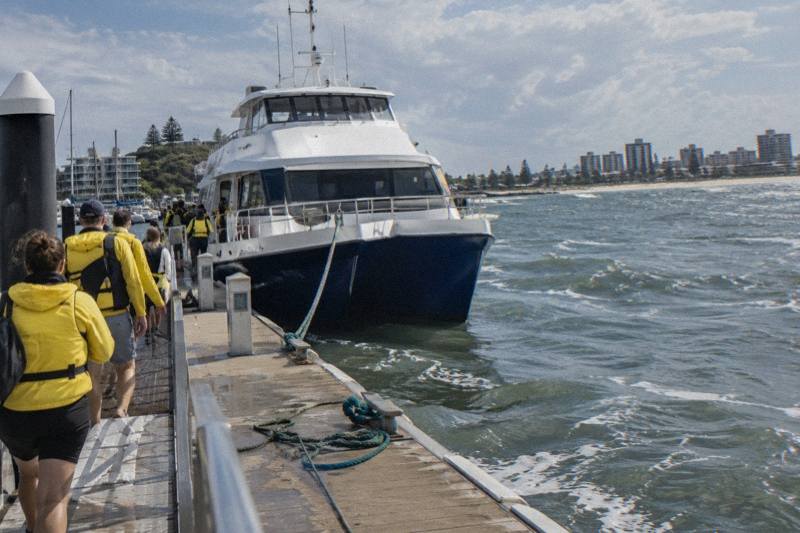
What Are The Odds Of Seeing A Whale On A Whale Watching Tour?
No operator publishes a sighting rate for Sunshine Coast whale trips, but season timing, migration science and each operator's own sighting policy tell you what to weigh before booking.
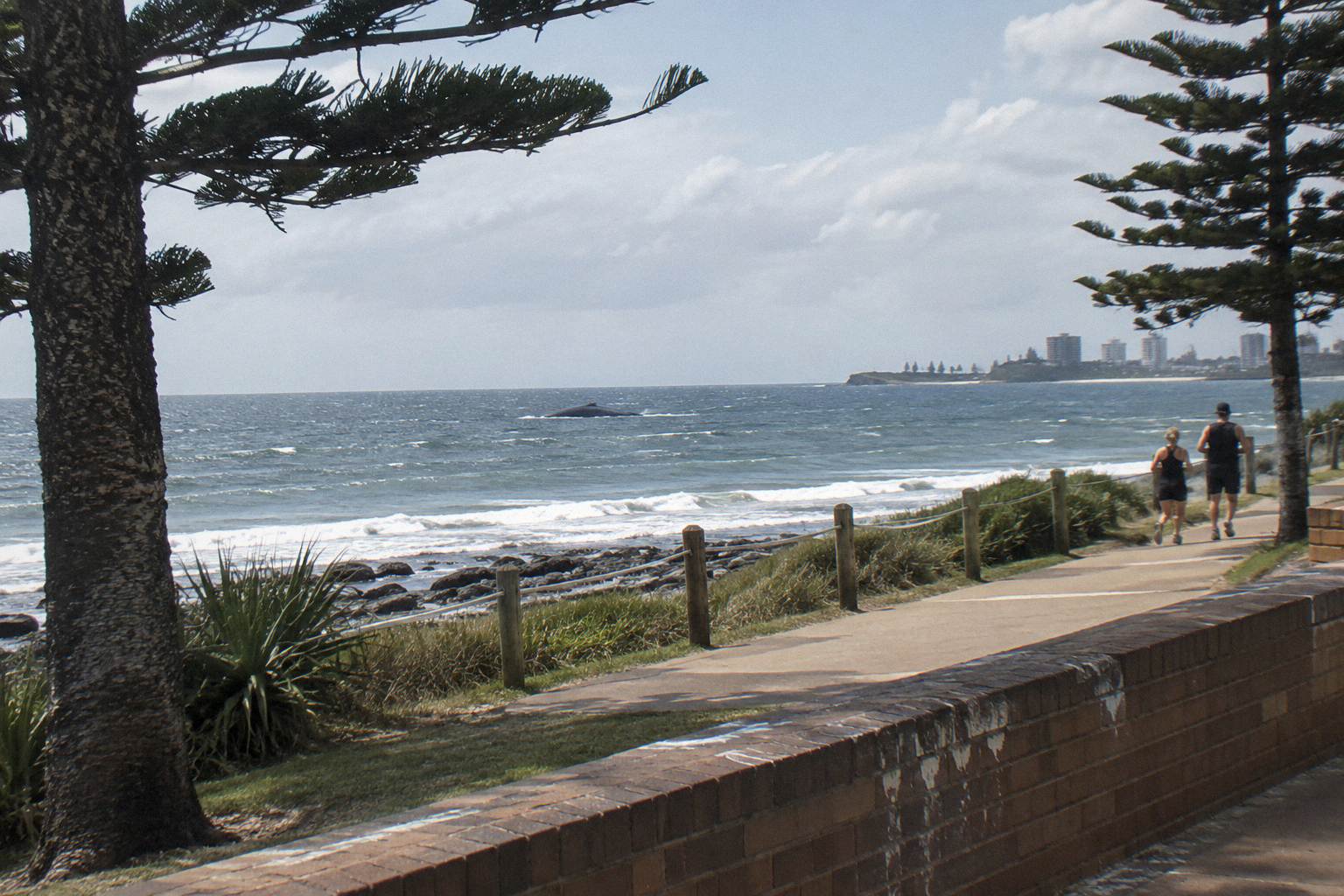
No operator running whale trips out of Mooloolaba publishes a sighting rate, so there is no percentage anyone can quote for a single departure. What exists instead is a season with measured peaks, an eastern Australian humpback population the Queensland Government estimates at around 50,000, and a small set of operator policies that spell out what happens if the whales stay away. Those three pieces, read together, are the real answer.
The starting point is a gap: no sighting rate for Mooloolaba or Sunshine Coast whale trips appears in any operator page, tourism body statement or government source available here. Any percentage you have read elsewhere for a specific boat was not published by that boat. That single fact should reset expectations: the question is not "what are my odds" but "what increases my chances, and what protection do I have if the day goes quiet".
What can be said is anchored in real numbers. The Queensland Government estimates the eastern Australian humpback population at around 50,000 animals, up from approximately 12,000 in 2008, and those whales pass the Sunshine Coast every year between roughly June and October, into early November depending on whose season statement you read. With a migration of that size moving along a coast that funnels whales close to shore, the busiest weeks see a steady stream of animals within reach of a two or three hour trip. A boat cannot promise a whale on a given morning, and none of the operators here do.
The protection side is more concrete than most people expect. Adventure Rafting says it cannot guarantee sightings but says missed sightings are rare, and its weather policy reissues or refunds tickets when wind or swell cancels a departure. Those are different promises, and reading them before you book matters more than any imagined percentage.
| Trip | Operator's own sighting statement | If no whales are seen |
|---|---|---|
| Fast Boat, Free Cancellation | Cannot guarantee sightings; missed sightings are rare | No free-return promise; ask the operator |
| Hydrophone Whale Adventure | Cannot guarantee sightings; missed sightings are rare | No free-return promise; ask the operator |
| Sunshine Coast Afloat, 3 Hours | ask the operator | ask the operator |
| Swim With Humpback Whales | ask the operator | ask the operator |
For anyone weighing the standard cruise options side by side, the three Mooloolaba river departures below cover the range: the longer Sunreef trip with the return-trip policy, and two 2 hour Adventure Rafting formats at the same from-price of A$115 per person. Amounts throughout are Australian dollars.
If the worry about a blank trip is the main thing holding back a booking, the free-cancellation window helps before the day, and the operator policies above cover the day itself. Check availability for your dates and read the terms shown during booking before paying.
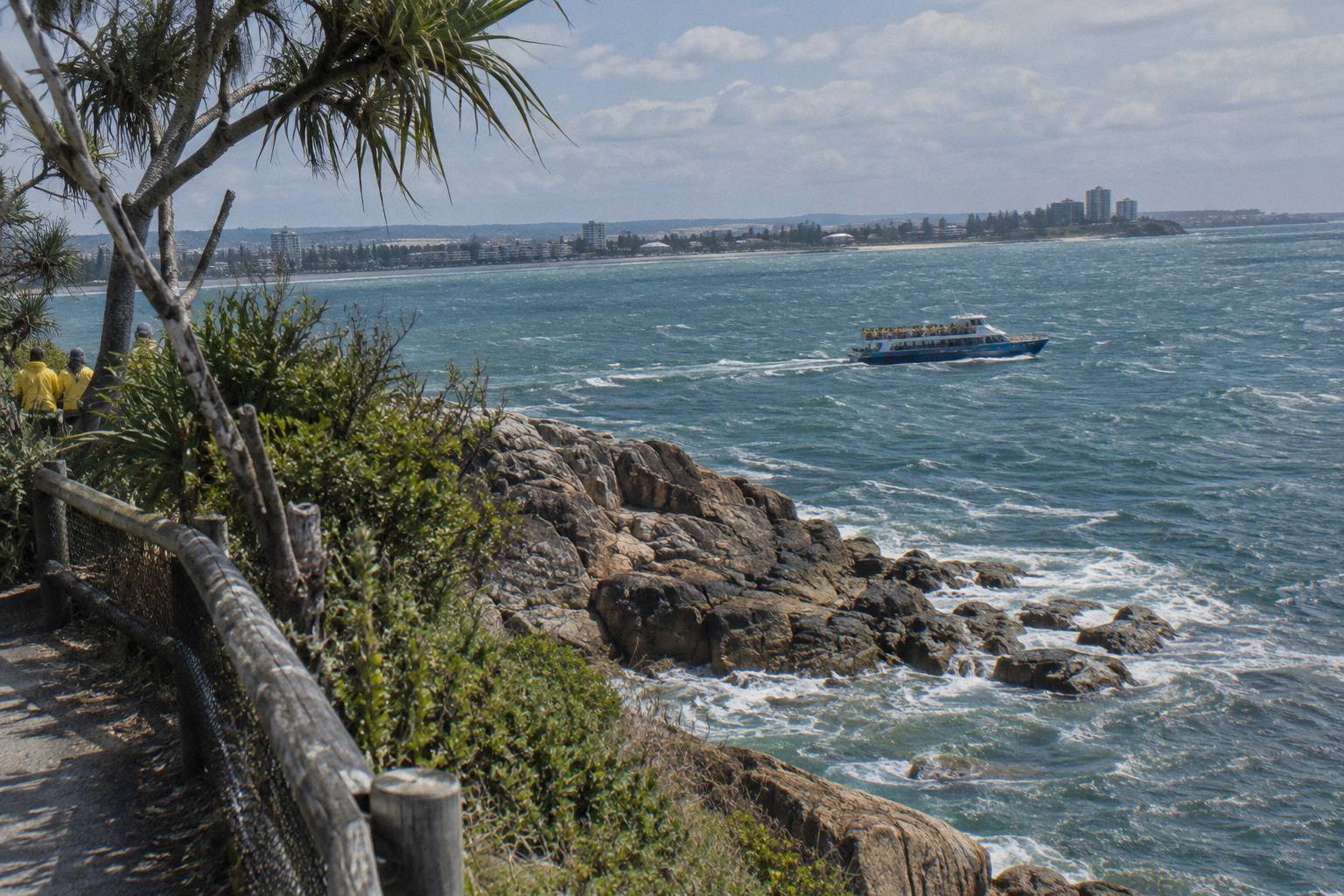
Why No Sighting Rate Exists For Any Mooloolaba Trip
A sighting rate would need every departure logged and published, and no operator, tourism body or government agency does that for the Sunshine Coast. Operators instead publish policies: what happens when whales are not found, and when a trip is cancelled for weather. Neither number nor percentage exists in any source available here, so the responsible answer relies on those policies plus the measured shape of the migration itself.
Start with what a real rate would require. Someone would need to record the outcome of every sailing across a full season and publish the tally. The operators describe their seasons and their sighting terms in words, not percentages, and the tourism bodies describe the migration in words too. When a page elsewhere quotes "95 percent sightings" for a named boat, there is no published record behind it that a reader can check, and the operators own pages do not carry the figure.
The policy language that does exist is worth reading closely because it differs between operators and it is the closest thing to an odds statement any of them make. Adventure Rafting says it cannot guarantee sightings, then adds that missed sightings are rare, a phrasing that tells you the operator sees empty trips as uncommon without pretending they never happen. Its cancellations for weather, wind or swell come with a reissued or refunded ticket, and it also cancels for low numbers, all stated on its own page for its own trips.
Whale One takes the opposite approach. That policy sits on the operator's own page and belongs to its boats only; it is never a statement about the coast as a whole. The other operators in the table above publish no sighting statement at all, and the right move there is simply to ask the operator before booking what happens on a no-whale day.
The population numbers deserve one careful distinction. Around 50,000 is the Queensland Government's current estimate; the last peer-reviewed count, from the 2015 survey published in Population Ecology, was 24,545 whales. Both are real figures from named sources, and the gap between them is simply the difference between a government estimate and a peer-reviewed survey, not a disagreement to be resolved here. Either way, the trend runs in one direction: more whales pass this coast each year than the year before, which is the strongest structural argument that a season-week trip has a better chance than the same trip two decades ago.
When Whales Actually Pass The Sunshine Coast
The season runs roughly June to October, into early November depending on the source, and the busiest windows are measurable, not guessed. Visit Sunshine Coast points to July and August for the largest northbound numbers; a 2025 peer-reviewed study measured the southbound adult peak off Peregian Beach in mid-September by 2023 and 2024. Timing a trip inside those windows does more for your chances than any other single choice.
The sources disagree slightly on the bookends, so both figures are shown rather than flattened into one. Visit Sunshine Coast states the official season runs from June to November on the Sunshine Coast, while Sunreef says its season runs from early June and tours with Whale One run until very early November, and Adventure Rafting's own page runs its season from 1 June to 31 October. Every one of those statements points to the same practical core: winter and early spring, with the shoulders carrying fewer animals.
The interior of the season is better agreed. The Queensland Government describes humpbacks migrating north along the coast between May and July, then turning south in July and August after time in the tropical breeding grounds, and notes calm conditions are most likely in the morning before any wind picks up (Queensland Government whale watching page). Sunreef's own season description calls June and July the northbound stretch, August and September a crossover period with whales moving both directions, and September to late October the finish of the southern journey.
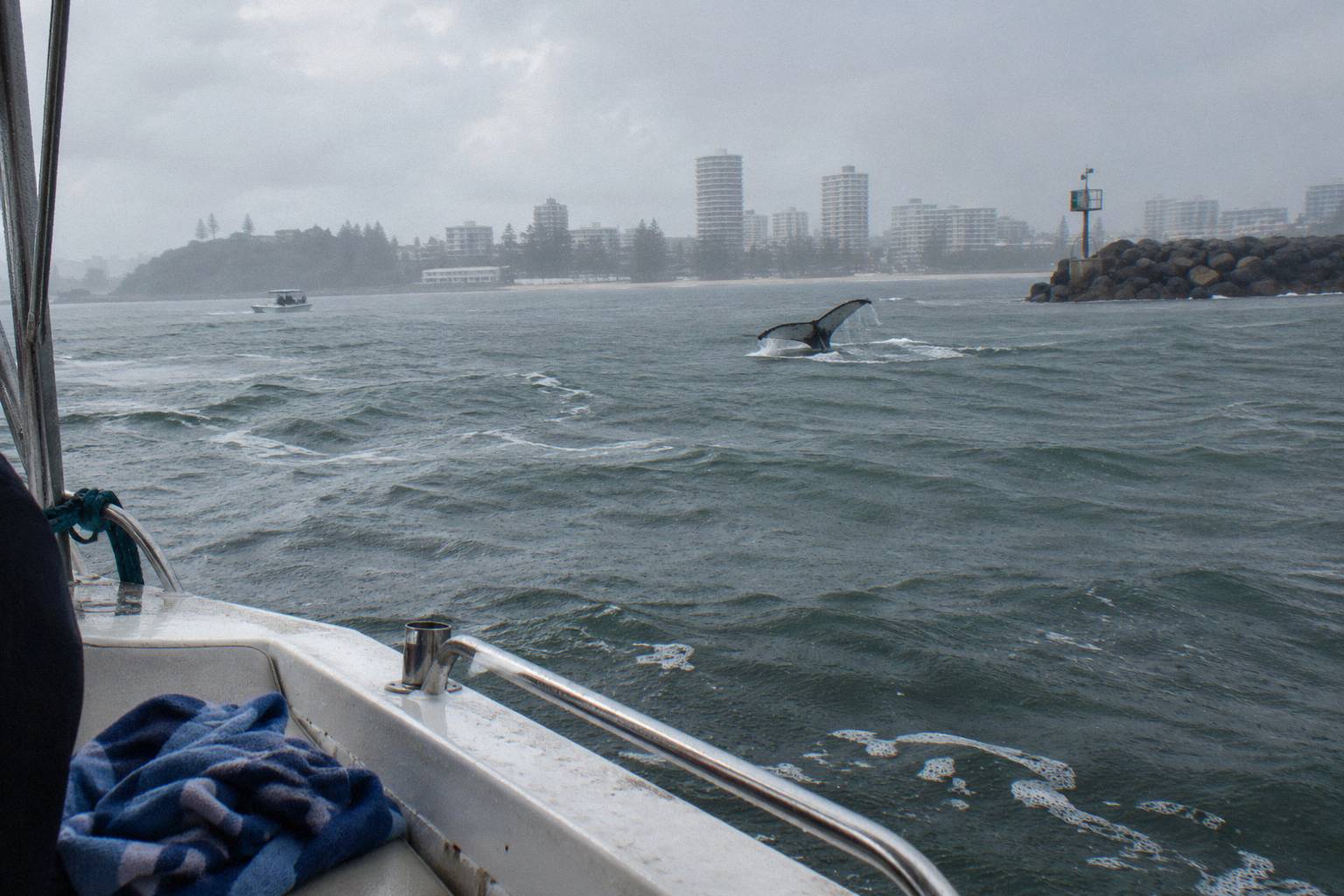
The sharpest timing insight comes from research rather than marketing. A peer-reviewed study published in Scientific Reports in 2025 tracked the southbound migration past Peregian Beach on the Sunshine Coast and found adult peaks "occurring in early-October pre-2015, moving forward to mid-September by 2023 and 2024" (Dunlop et al., Scientific Reports 2025). In plain terms, the southbound rush now lands about two to three weeks earlier than it once did, which pulls the strongest weeks of the season forward into mid-September. The same paper measured the northbound peak at Point Lookout, south of Mooloolaba off south-east Queensland, consistently in late June to early July through 2015.
| Source | Season or window stated | Applies to |
|---|---|---|
| Visit Sunshine Coast | Official season June to November; July and August carry the largest northbound numbers | Sunshine Coast tourism region |
| Queensland Government | Northward migration May to July; southward turn in July and August | Queensland coast generally |
| Sunreef | Early June to very early November; northbound June to July, crossover August to September | Its own Whale One tours |
| Adventure Rafting | 1 June to 31 October, its own page | Its own trips |
| Peer-reviewed survey data | Northbound peak late June to early July; southbound adult peak mid-September by 2023 and 2024 | Point Lookout and Peregian Beach measurements |
For someone who wants to read the whole season month by month before picking a date, the Sunshine Coast whale season month by month guide breaks each window down. The short version for odds purposes: July and August maximise northbound traffic, and mid-September to early October is when the measured southbound peak now falls, a window many people book too early or too late to catch.
What You Can Control: Dates, Timing And Booking Choices
You cannot control the whales, the weather or the swell, but you control four things that measurably shape a trip: which weeks you book, how far ahead, which departure time you pick, and which operator policy sits behind your ticket. Choosing peak weeks, booking ahead in those weeks, and matching the policy to your worry does most of the work a percentage would have done badly.
Pick the window first. A trip in late June to July rides the northbound peak measured off south-east Queensland; a trip in mid-September to early October rides the southbound peak now measured at mid-September off Peregian Beach. A trip in the crossover weeks of August and September, in Sunreef's description, has whales moving in both directions. The edges of the season, early June and late October into November, are the weeks where a quiet day is most plausible, and where Whale One's return-trip policy or Adventure Rafting's reissue terms earn their keep. Other pages covering the same trip are gathered on Mooloolaba Whale Watching.
Book ahead for the peak. Whale One's 3 hour cruise carries hundreds of reviews, and the busiest weeks fill; the booking page shows live availability for your date. Free cancellation up to 3 days on the booking page applies across the trips covered here, from the Sunreef 3-Hour Whale Cruise at from A$89 per person to the Fast Boat, Free Cancellation trip at from A$115 per person, so locking in a peak-week seat early costs little in flexibility. All amounts are Australian dollars.
Choose the departure that suits the day, not a slogan. The Queensland Government notes calm conditions are most likely in the morning before any wind picks up, which is a statement about sea conditions rather than a promise about whales; operators' own departure grids, like Adventure Rafting's 8am, 11am and 2pm sailings seven days a week, let you pick the slot you will actually turn up for. A missed departure helps nobody's odds, and arriving matters: Adventure Rafting asks its guests to arrive 30 minutes before sailing because parking at The Wharf can be difficult in peak times.
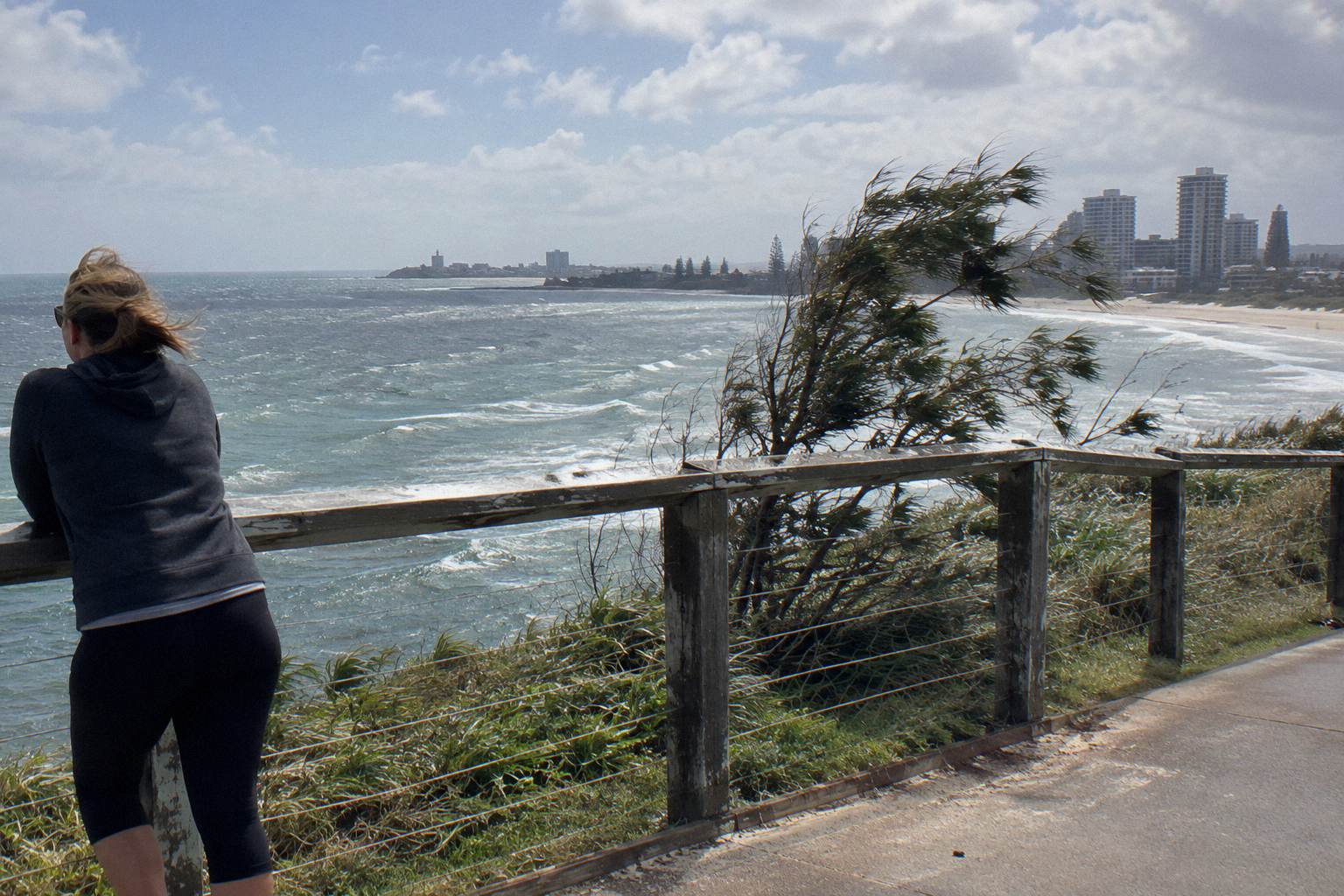
Finally, match the trip to the family. Adventure Rafting sets a minimum age of 5 on its own trips and does not carry pregnant guests; Sunreef states no numeric minimum age, sells children's tickets for ages 4 to 14 with under 4 free, requires children under 16 to be accompanied by an adult, and also does not carry pregnant guests. No other trip here has a published age rule, so ask the operator. If the underlying question is whether a cruise ticket ever includes a swim, it does not: the Swim With Humpback Whales trip from A$269 per person is a separate 4 hour product, a distinction worth checking if that was the experience you were picturing.
Shore Watching As A Zero-Cost Backup
A headland costs nothing and carries no cancellation policy, and the Sunshine Coast has several named lookouts where migrating whales are seen from land. Point Cartwright at Buddina, Point Arkwright at Coolum and the Noosa headland all carry published whale-watching statements, which makes a shore afternoon a genuine low-stakes complement to a boat booking rather than a consolation prize. If a lookout afternoon sparks thoughts of upgrading to the whole boat, the guide to private whale watching charters on the Sunshine Coast explains who they suit and how shared trips compare.
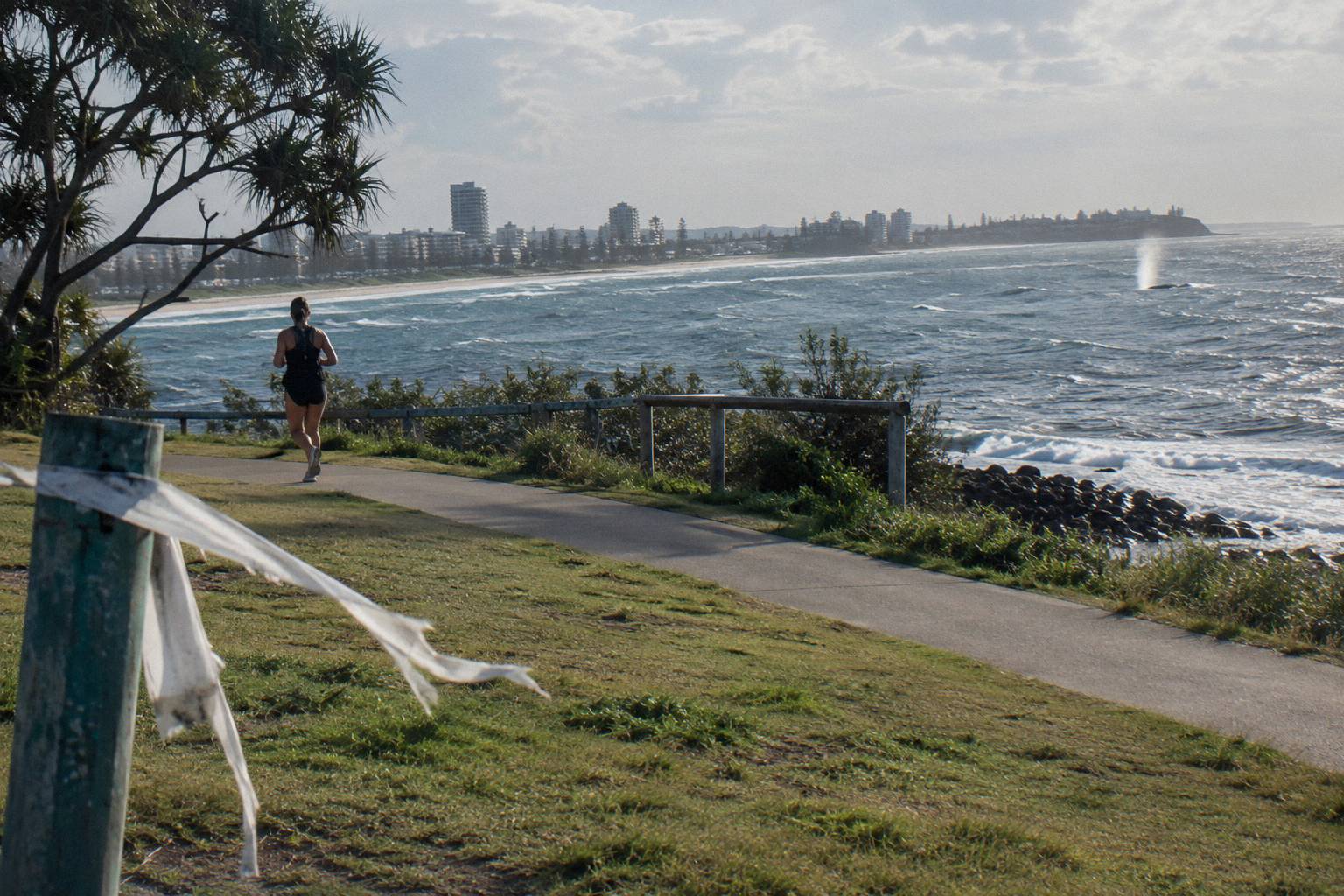
Visit Sunshine Coast names Point Perry in Coolum, Point Cartwright, Moffat Headland, Dolphin Point Lookout in Noosa and Alexandra Headland as favourite local whale-watching spots, and its Point Cartwright page notes it is often possible to spot migratory humpback whales from the headland reserve at 1 Pacific Boulevard, Buddina (Point Cartwright, Visit Sunshine Coast). The Sunshine Coast Council trail page for Point Arkwright calls it a great place to view migrating whales heading south during spring, which lines up with the mid-September southbound peak noted above.
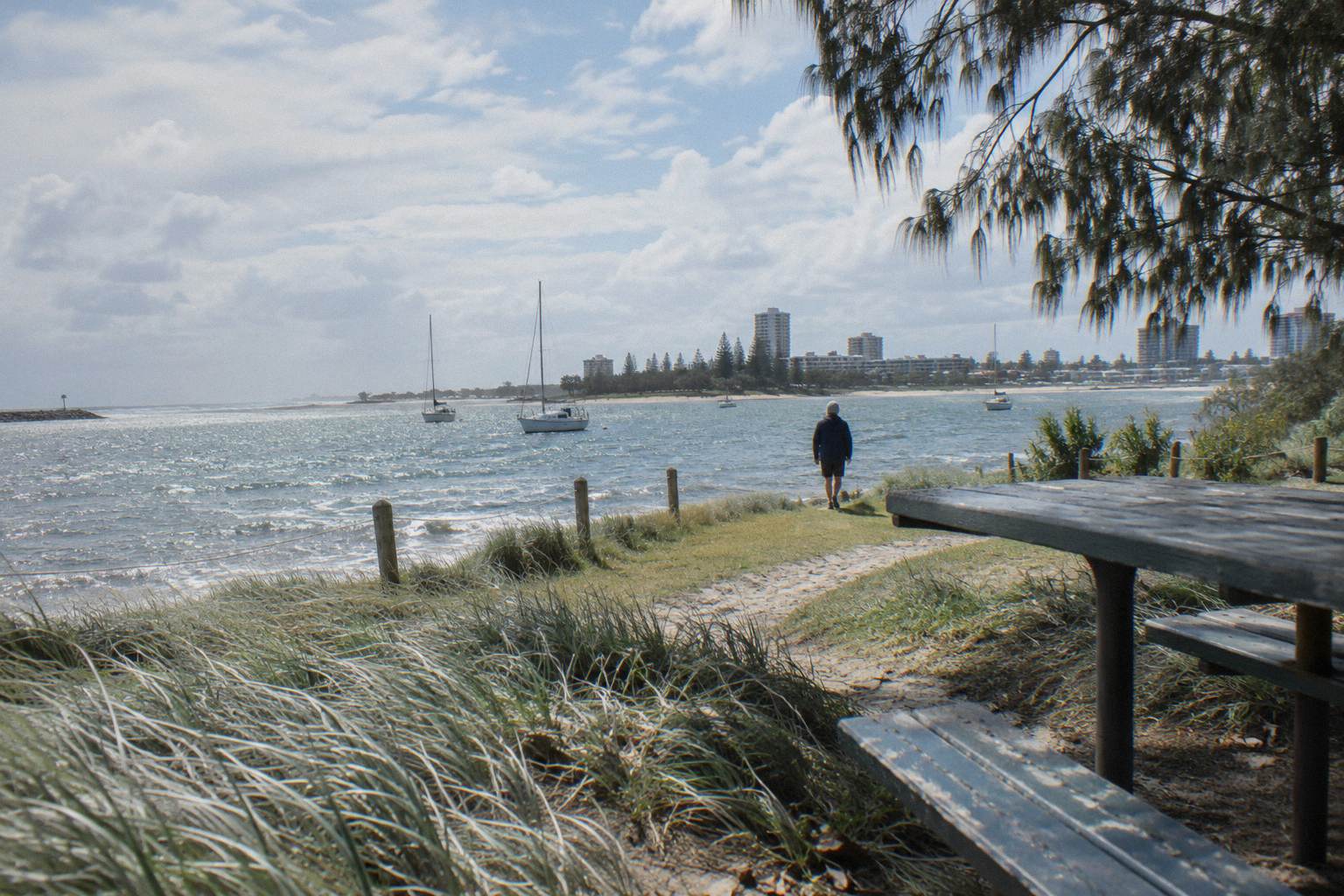
A shore day also teaches you something a boat day cannot: what the season looks like from one fixed point. Watching from Point Cartwright across several mornings in peak weeks gives you a feel for how the animals move past the coast, and it costs nothing but time. It cannot replace a boat trip, and distance rules aside, the view from a headland is simply further away, but as insurance against the possibility of a quiet boat morning it is a pleasant hedge. The same season windows apply from land, so the timing logic above transfers directly.
What Trips People Up Before Booking
Most disappointment on a whale trip traces back to four booking mistakes, not the whales: trusting an invented percentage, ignoring the operator's sighting policy, picking shoulder-week dates expecting peak-week traffic, and assuming every boat has the same age and cancellation rules. Each mistake is avoidable in a few minutes of reading before payment.
The first mistake is believing a number nobody published. If a page promises a sighting percentage for a named Sunshine Coast boat, treat it as unsupported; no operator here publishes a rate. The second is skipping the policy line. Whale One's return-trip policy and Adventure Rafting's no-promise wording are both on the operators' own pages, and knowing which one sits behind your ticket changes what a quiet day means for you.
The third mistake is date blindness. Booking early June or late October and expecting the traffic of August is the classic way to feel short-changed, when the measured windows, July and August northbound and mid-September southbound, were always going to be busier. The fourth is assuming uniform rules. Minimum ages, arrival times and cancellation terms differ operator by operator, as the age rules above show, and a family that books without checking can be turned away at the jetty. Read the booking page for your specific trip and date; it is the only place the live terms live.
For anyone still weighing whether the whole day justifies the fare, the question of whether whale watching on the Sunshine Coast is worth it is covered separately, and the practical detail of what to expect on a whale watching cruise from Mooloolaba walks through the day itself. If rough-weather nerves are part of the worry, whether whale watching cruises run in rough weather explains the cancellation side.
Before the closing questions, the same three Mooloolaba departures once more, because the odds conversation almost always ends at the same fork: the 3 hour format with the return-trip policy behind it, or a 2 hour fast-boat format at a higher from-price.
One more pairing worth knowing while dates are being compared: the Hydrophone Whale Adventure runs the same 2 hour, from A$115 per person format with the same free-cancellation window, for travellers who want the underwater-listening element alongside the sighting question.
And for readers who prefer the smallest-boat feel within the Adventure Rafting style, the fast-boat trip's 4.6 rating from 100+ reviews and its free cancellation up to 24 hours make it the natural second look.
Common Questions About Whale Sighting Odds
What Are The Odds Of Seeing A Whale On A Whale Watching Tour?
No operator or agency publishes a sighting rate for Sunshine Coast whale trips, so there is no percentage to quote. The Queensland Government estimates around 50,000 eastern Australian humpbacks pass the coast each season, and operators either describe missed sightings as rare or back their trips with a return policy.
Do Any Mooloolaba Operators Promise A Whale Sighting?
No trip promises a whale.
Which Weeks Have The Most Whales Off The Sunshine Coast?
Visit Sunshine Coast points to July and August for the largest northbound numbers. Peer-reviewed survey data shows the southbound adult peak off Peregian Beach has moved to mid-September by 2023 and 2024, earlier than the early-October peak measured before 2015.
Does A Morning Trip Improve The Chance Of A Sighting?
The Queensland Government notes calm conditions are most likely in the morning before any wind picks up, but no source links a departure time to whale sightings. Pick the departure you will reliably arrive for.
What Happens If No Whales Are Seen?
It depends on the operator. Ask the operator before booking for any other trip.
Can You See Whales From Shore Instead?
Yes, in season. Visit Sunshine Coast names Point Cartwright, Point Perry, Moffat Headland, Dolphin Point in Noosa and Alexandra Headland as local whale-watching lookouts, with the same season windows applying from land.