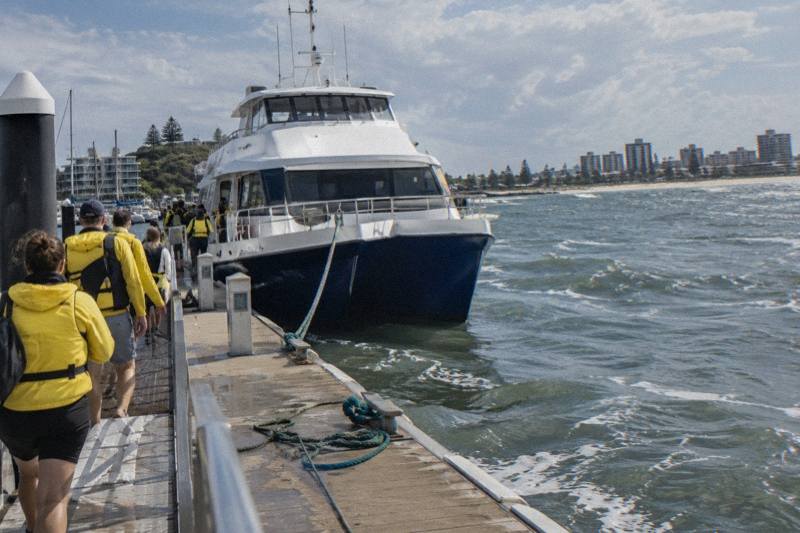
Is Whale Watching On The Sunshine Coast Worth It?
A whale cruise from Mooloolaba costs from A$89 per person for about three hours, no sighting is promised, and the rules keep boats 100 m from the whales: here is how to decide if it is worth it for you.
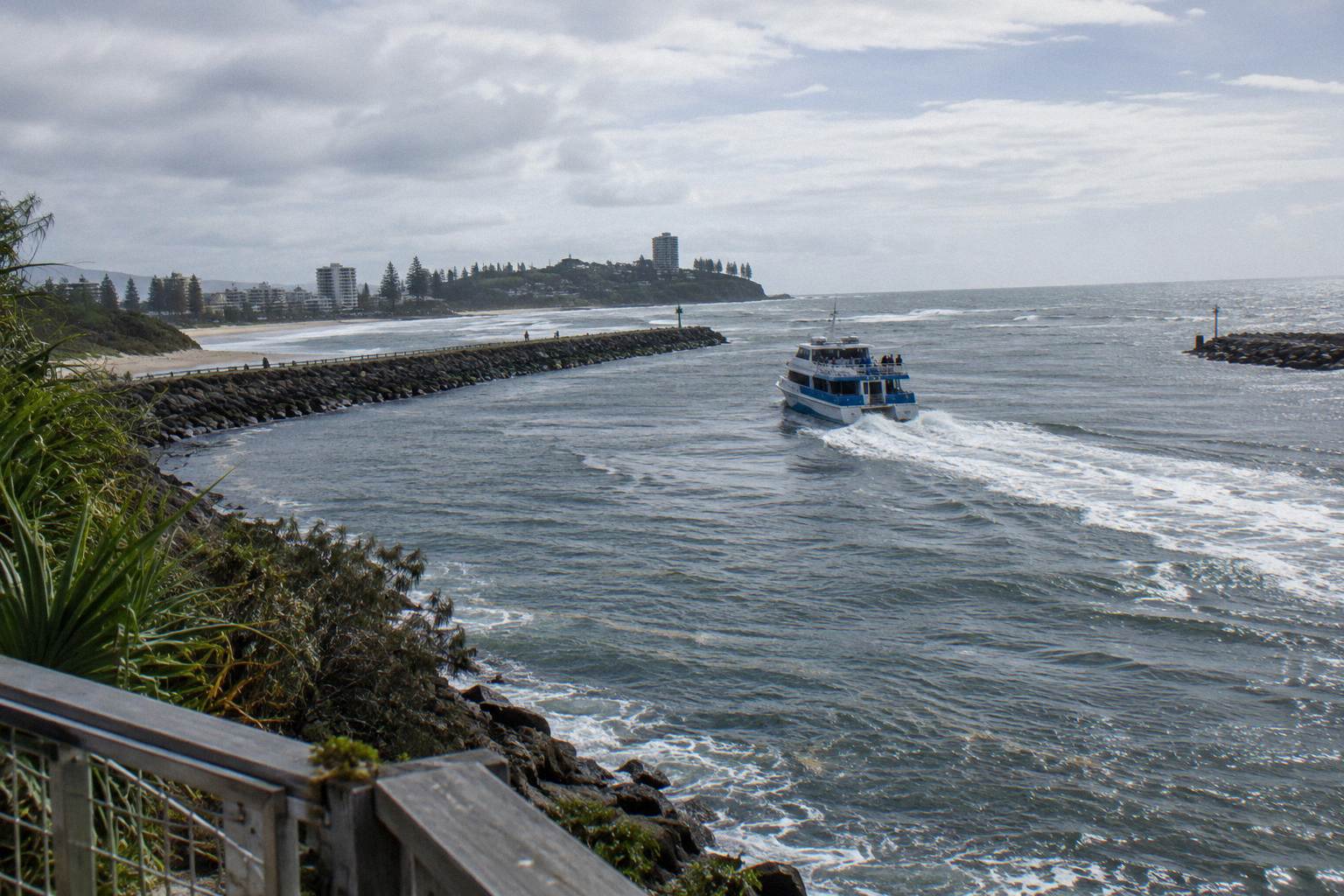
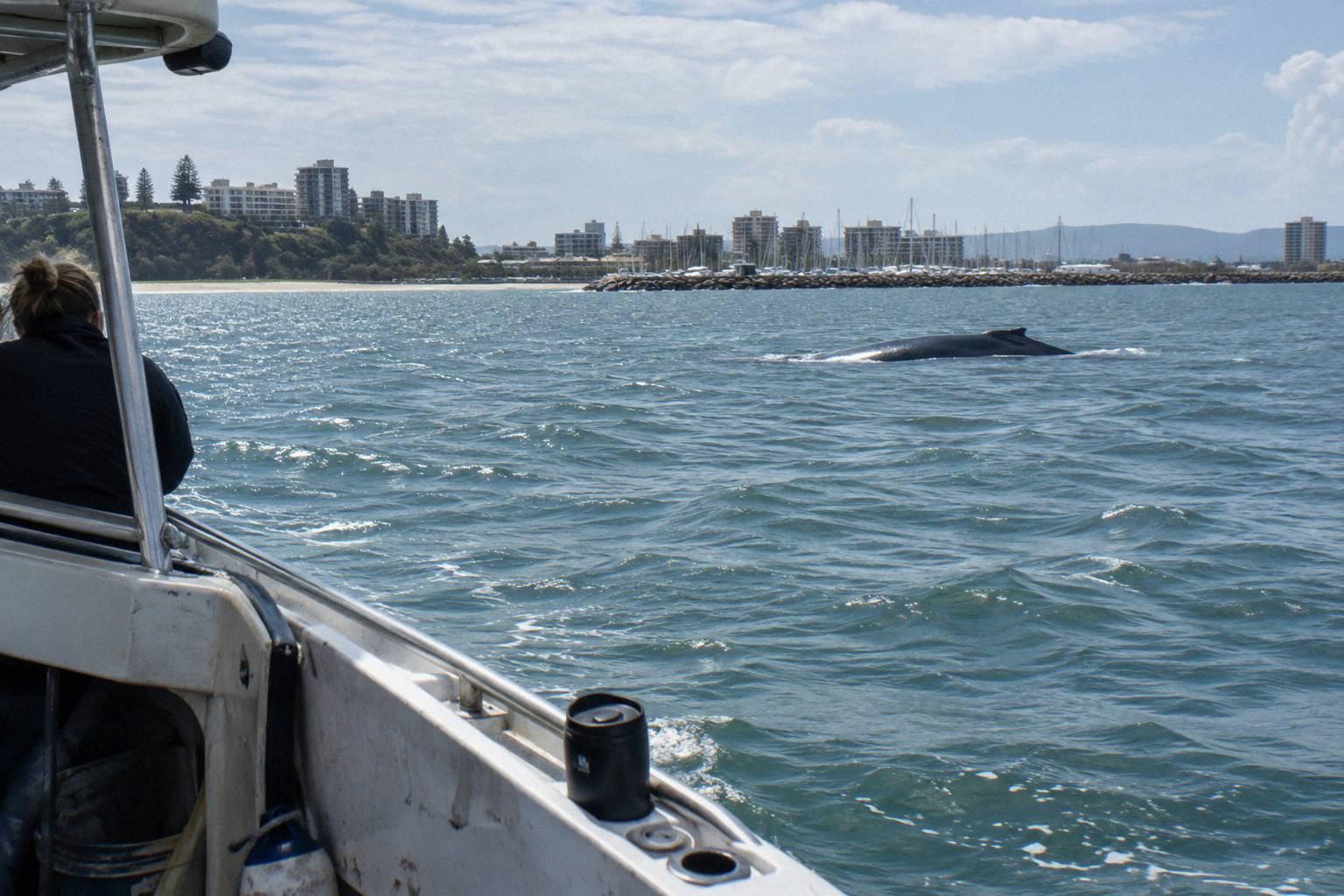
Yes, whale watching on the Sunshine Coast is worth it for most people, because roughly 50,000 humpbacks pass along this coast according to Queensland Government population figures, and three-hour cruises from Mooloolaba start from A$89 per person, with licensed trips following approach rules that protect the whales. No operator can sell a certain sighting, so weigh that uncertainty when you decide. To know which displays you might realistically see from the deck, the guide to humpback behaviour on a whale watching cruise explains what breaching, tail slapping and spy-hopping actually look like before you book.
Whether a whale cruise earns its fare depends on three things you can check before booking: what the ticket actually buys in hours and departure point, what the operator and the law say about sightings, and whether your own travel style tolerates a morning on open water where the outcome is decided by whales, not by people. Those three questions have answers in published facts, and the rest of the decision is personal. The answers rest in the fares, durations and policies stated on the booking pages, so you can reach a verdict for yourself rather than borrow someone else's.
The population number is the strongest fact in favour of going. The Queensland Government's current estimate for eastern Australian humpbacks is around 50,000, up from approximately 12,000 in 2008, growing by around 10 percent a year at that time. The last peer-reviewed count, published in 2019, was 24,545 whales in 2015, with long-term growth of about 10.9 percent a year through 2015. In plain terms: the number of whales passing the Sunshine Coast each winter has grown strongly for two decades, so the odds built into any trip are better than they have ever been, even though sightings cannot be promised. The Queensland Government's whales page carries the population figures.
Against that sits the other side of the ledger: a whale cruise is a wildlife encounter, weather dependent, on the ocean rather than beside it. Operators here say plainly that conditions offshore can differ from what the beach suggests, and one of them, Adventure Rafting, states on its own page that it cannot guarantee sightings while noting that missed sightings are rare. If a certain animal at a fixed moment is what you are buying, no trip on this coast sells that, and the right answer for you may be to skip the genre entirely.
What The Fare Actually Buys
Every Mooloolaba whale cruise costs between A$89 and A$269 per person for a two, three or four hour trip from The Wharf Mooloolaba or Parkyn Parade, with free cancellation on the booking page, but the fare buys no promised whale, route or fixed schedule, because the animals, the swell and the skipper decide those on the day.
The cheapest stated entry point is the Sunreef 3-Hour Whale Cruise, from A$89 per person, rated 4.3 from 200+ reviews, meeting at 11-12/123 Parkyn Parade. It is also the longest standard cruise of the Mooloolaba fleet at three hours, which matters if your main worry is time on the water: three hours gives the skipper more room to work the coast before the turn for home. The two-hour options cost more per hour on paper but suit travellers who want the encounter without the long sail, and the four-hour Swim With Humpback Whales trip, from A$269 per person, is a different product altogether, an in-water encounter rather than a viewing cruise.
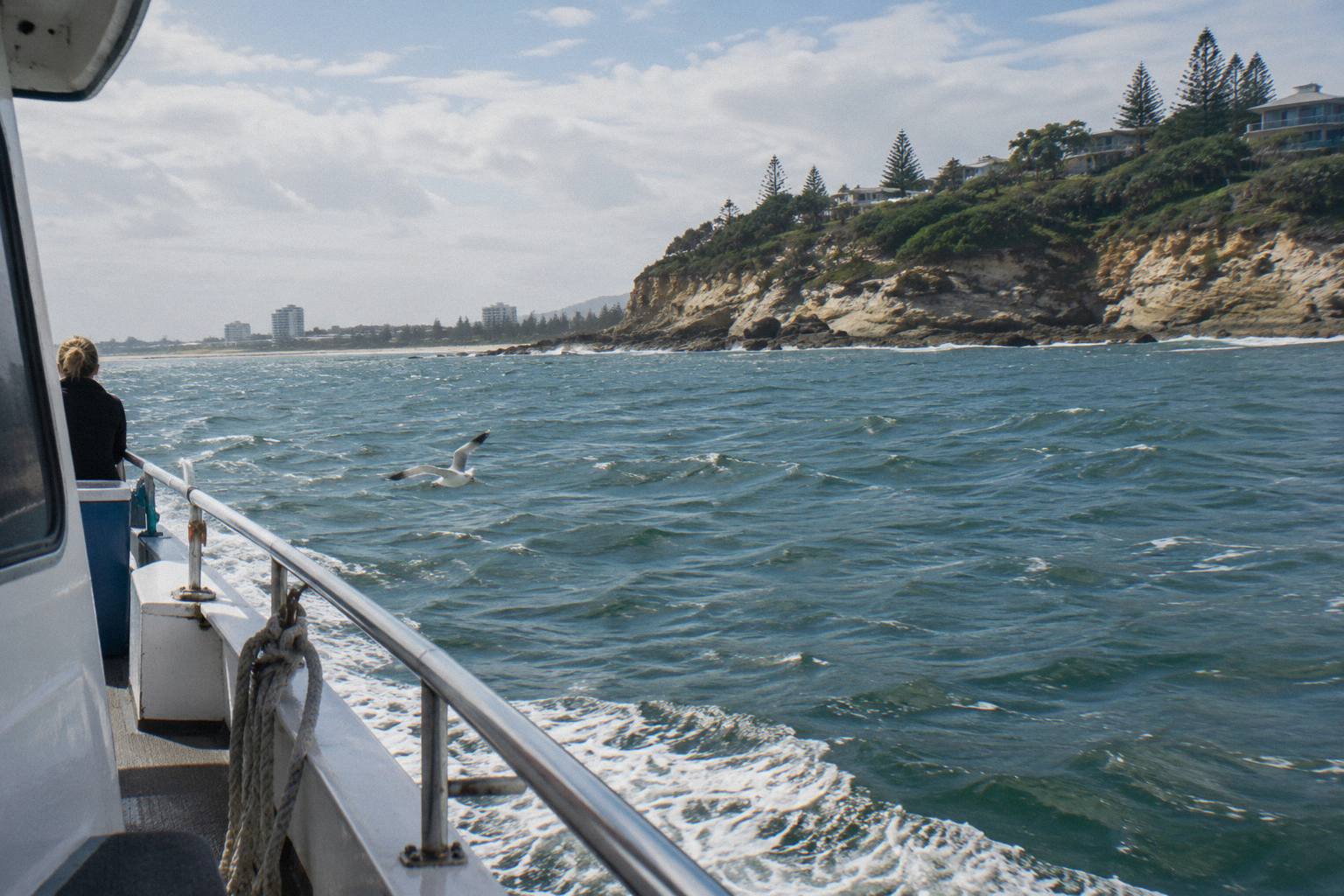
Here is the cost-and-duration trade-off across the trips with published from-prices. Two trips, Coastal Express Small Boat and Jet Boat Whale Adventure, plus the Noosa charter and the private tour, have no from-price on the booking page, so the page shows the price for your date. Noosa and Buddina departures are separate locations, not Mooloolaba trips, and are marked as such.
| Trip | From-price per person | Duration | Rating and reviews | Departure point |
|---|---|---|---|---|
| Sunreef 3-Hour Whale Cruise | from A$89 | 3 hours | 4.3 from 200+ reviews | Parkyn Parade, Mooloolaba |
| Fast Boat, Free Cancellation | from A$115 | 2 hours | 4.6 from 100+ reviews | The Wharf Mooloolaba |
| Hydrophone Whale Adventure | from A$115 | 2 hours | ask the operator | The Wharf Mooloolaba |
| Sunshine Coast Afloat, 3 Hours | from A$105 | 3 hours | 4.8 from 136 reviews | 21 Parkyn Parade, Mooloolaba |
| Swim With Humpback Whales | from A$269 | 4 hours | ask the operator | The Wharf Mooloolaba |
| Noosa Thriller Whale Watching | from A$105 | 2 hours | 4.8 from 300+ reviews | Gympie Terrace, Noosaville |
| Oceanrider Small-Group Tour | from A$99 | 2 hours | 4.9 from 169 reviews | Noosa Marina, Tewantin |
Read the table as a trade-off, not a ranking. The A$89 cruise buys the most hours for the least money. The A$115 Fast Boat buys speed and a smaller complement, with Adventure Rafting stating a maximum of 20 guests on its trips. The A$269 swim buys a fundamentally different morning: four hours, in-water format, run to the operator's own rules. Comparing fares across those three is like comparing a ferry, a ribs ride and a dive trip by price alone; the format decision comes first, and the fare follows. If you are still weighing the value of the largest-format cruise, the question of Sunreef 3-Hour Whale Cruise for your dates is worth settling early, since prices vary by date and group size.
What No Operator Can Promise You
No Sunshine Coast whale operator can guarantee a sighting, and every one reserves the right to cancel or alter a trip for weather, wind or swell. Adventure Rafting itself states it cannot guarantee sightings, though it notes misses are rare; the closest thing to a promise is Whale One's offer of a free return trip if no whales are seen, which is a second ticket rather than a refund.
It applies to the Sunreef and Whale One cruises, it is not a refund, and it is not transferable to any other operator's trip. Adventure Rafting, for its part, states that it cancels for weather, wind or swell, reissuing or refunding tickets when it does, and that it also cancels for low numbers.
Weather is the second uncertainty, and it is genuinely separate from sightings. Sunreef's own advice notes that conditions offshore differ from the beach: sometimes the weather looks fine on the sand and does not represent what the conditions offshore are. Whale One's policy on sea conditions is to rebook or refund when it cancels a trip, and its seasickness stance is stated plainly on its page, with no rebookings or refunds for seasickness. Both operators suggest considering seasickness tablets, and Sunreef sells medication onboard. For a reader deciding whether the fare is worth it, the practical read is this: the operator carries the weather risk of cancellation, and you carry the personal risk of a day that runs but feels rough. Neither risk is hidden; both are on the operators' own pages, and check with your doctor before the trip if medication is involved.
The third uncertainty is subtler: what the whales do on the day is not scriptable. A trip can hold distance from a resting animal or sit beside a pod that stays near the boat under the engines-off rule, and both are lawful, rule-following outcomes of the same ticket. Nothing in any fare buys behaviour, and no review pool, however large, predicts your morning. A fair way to use ratings is as a check on the operation, the boat and the crew, not as a forecast of whales: 4.3 from 200+ reviews tells you two hundred people recorded a workable experience, not what the tenth of August will bring.
The Rules That Protect The Whales
Yes, these trips are regulated: every operator covered here follows Queensland whale approach rules, which keep boats 100 m from whales, set a 300 m caution zone with a 6 knot no wake speed limit inside it, and require engines off or gears disengaged if a whale comes to the boat, so what you get is an encounter, not a staged performance.
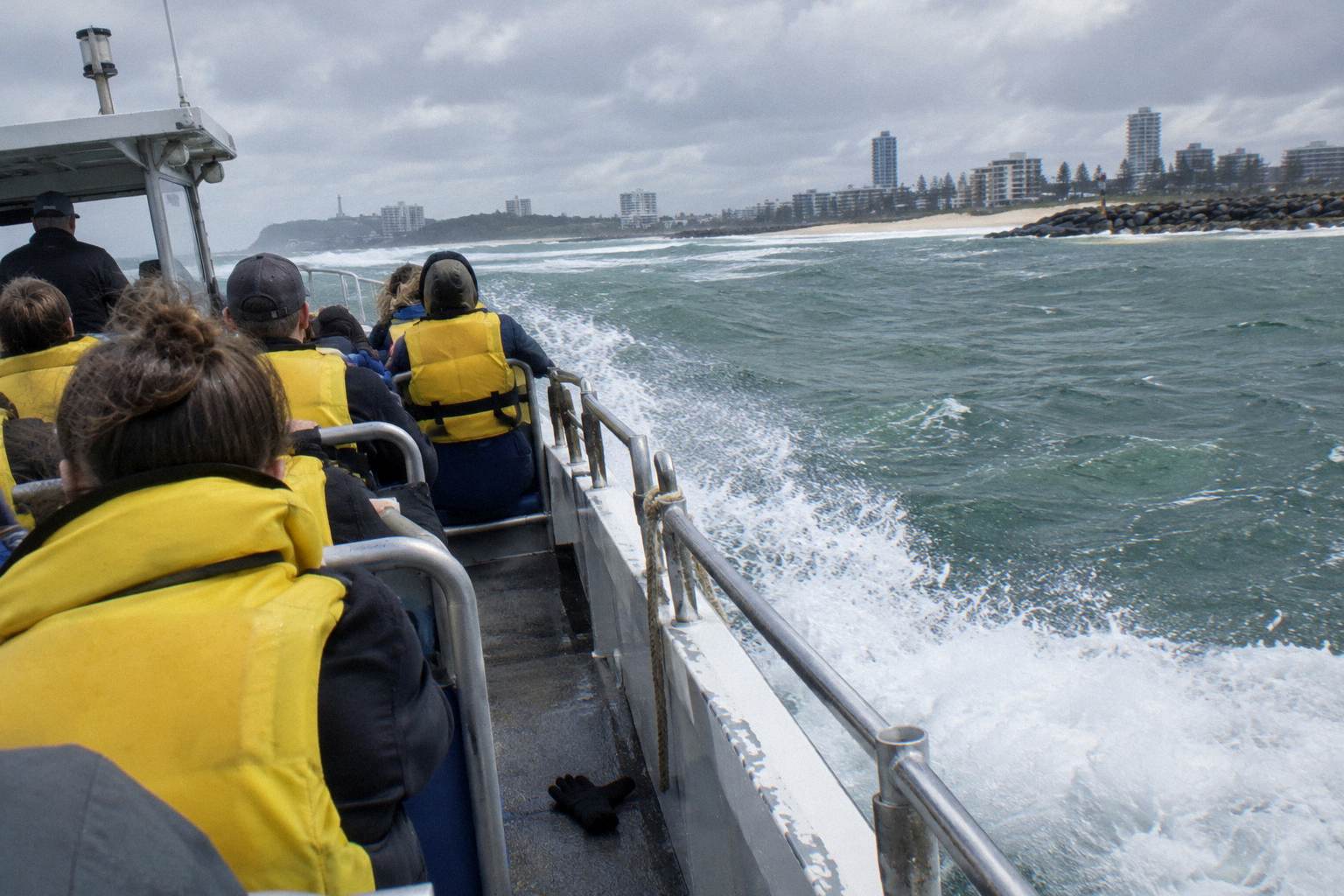
The detail that changes how a trip feels is the engines-off rule. When a whale chooses to come close, the law requires the boat to stop, and the encounter that follows is the whale's decision, at distances the whale controls. The Queensland rules for watching marine mammals state the caution zone, the approach zones and the speed limit, and the same page sets the person-in-the-water distance at 100 m from a whale, which is the backdrop against which any swim programme runs. For a buyer, the rules answer a question that matters to many people: a booked trip funds an operation that keeps its distance by law, not one that chases animals for a better view.
The conservation backdrop adds to the value case. The east Australian humpback was deleted from the national Vulnerable list in February 2022 after decades of recovery, and it remains a listed migratory species and cetacean, per the Commonwealth listing advice. The recovery itself is the story: from approximately 12,000 in 2008 to a current estimate of around 50,000 per the Queensland Government. Every fare on this coast is, in a small way, part of an economy that exists because that recovery happened, and the peer-reviewed record of the last survey count, 24,545 whales in 2015 with growth of about 10.9 percent a year through 2015, is the measured spine beneath the government's larger estimate. The listing advice carries the survey and status detail.
Whether that context makes a fare worth it is your call, but it answers one objection cleanly: a whale cruise here is not a consumption of a scarce animal, it is a two or three hour participation in a wildlife economy built around a population that has grown for two decades. The rules, the population and the fare sit on the same side of the ledger.
Who A Whale Cruise Suits, And Who Should Skip It
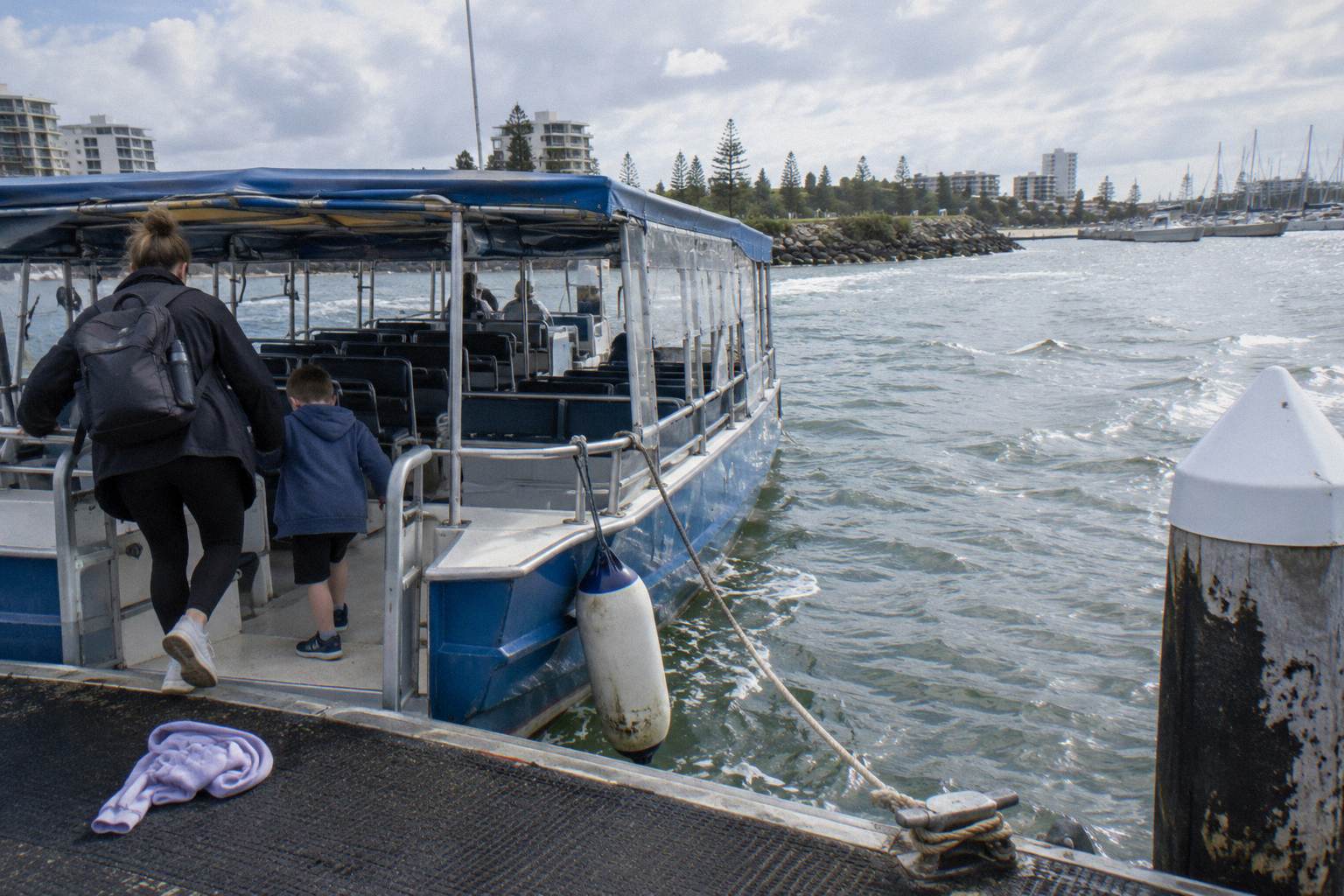
A whale cruise suits a traveller who wants the chance of a wild humpback encounter more than a sure spectacle, has two to four hours, and accepts the ocean on its own terms; it does not suit someone who needs a certainty, someone for whom rough water would ruin the day regardless of whales, or someone booking against a hard deadline later the same day, because a weather cancellation would leave no room to rebook.
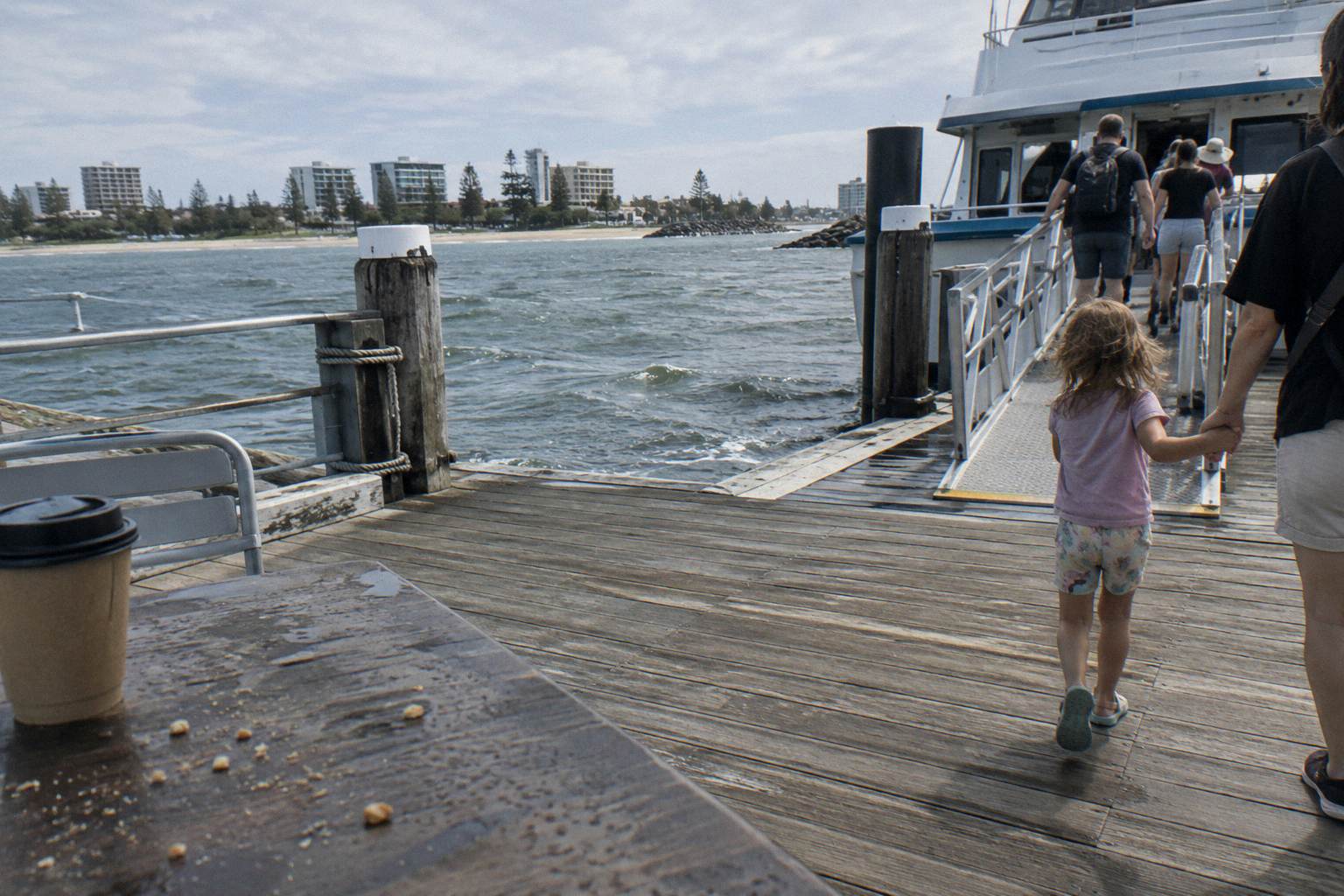
The stated constraints, not taste, do most of the sorting. Adventure Rafting sets a minimum age of 5 on its own trips and does not carry pregnant guests; Sunreef states no numeric minimum age for whale watching, sells child tickets for 4 to 14 years with under 4 free, requires children under 16 to be accompanied by an adult, and also does not carry pregnant guests; no age is published for the other trips, so ask the operator. If those constraints already exclude someone in your group, the answer to worth is settled before the fare comes into it. For everyone else, the table below maps the common traveller types to the stated facts.
| Traveller | Best fit among the stated options | The stated fact that decides it |
|---|---|---|
| First-timer wanting the longest look | Sunreef 3-Hour Whale Cruise | 3 hours, from A$89, 4.3 from 200+ reviews |
| Short-on-time visitor | Fast Boat, Free Cancellation | 2 hours, from A$115, max 20 guests per Adventure Rafting |
| Family with children aged 5 to 14 | Sunreef 3-Hour Whale Cruise or ask operators individually | Sunreef child bands 4 to 14; Adventure Rafting minimum age 5 |
| Confident swimmer wanting the water | Swim With Humpback Whales | 4 hours, from A$269, July to mid October per the operator |
| Traveller who may need to cancel | Any Mooloolaba trip | Free cancellation (up to 24 hours before departure on most, up to 3 days on the Sunreef 3-Hour Whale Cruise and Swim With Humpback Whales) on the booking page |
| Someone who must see a whale on the day | None of them | No trip promises a sighting |
Two of those rows deserve expansion. The cancellation row is a genuine value lever: every trip covered here carries free cancellation on the booking page, so the financial risk of booking ahead is small, and the deeper question of timing is covered in the article on whether to book whale watching in advance. The last row is the important one for fence-sitters: if the trip is only worth it to you with a whale attached, no product here meets that test, and a land-based lookout is the cheaper alternative on the same coast.
Timing within the day is the other personal factor, and the Queensland Government's own statement is the only one worth leaning on: calm conditions are most likely in the morning, before any wind picks up. That is a statement about conditions, not a promise about sightings, and the fuller argument is in morning or afternoon whale watching. For a decision about worth, treat departure time as a comfort choice rather than a sighting strategy.
Common Mistakes When Deciding Whether To Book
The most common mistakes are assuming a dolphin sighting comes with the ticket, expecting every boat to follow the same age and access rules, arriving at the wrong jetty, and treating one well-reviewed season as a forecast for your specific date. Each one is avoidable by reading your own trip's booking page once before paying, confirming the meeting point, age rules, and cancellation policy from that page rather than from memory or another operator's details.
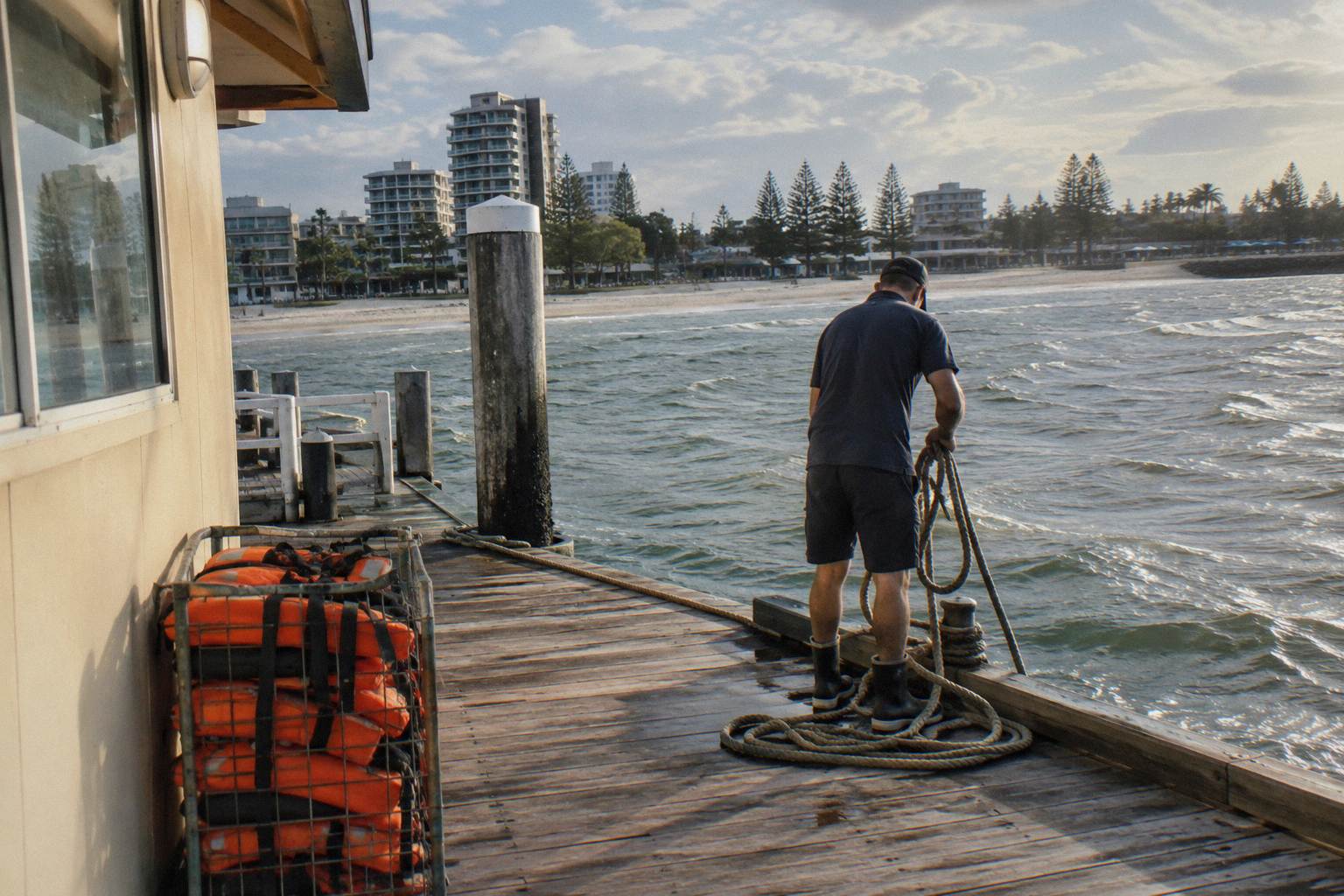
The wrong-jetty mistake is the most common on this coast because the departures are genuinely split: Sunreef and Adventure Rafting and Coastal Express leave from The Wharf Mooloolaba on Parkyn Parade, Sunshine Coast Afloat leaves from 21 Parkyn Parade, and the Noosa trips leave from Noosaville or Tewantin, a different town entirely. Booking a Mooloolaba hotel around a Noosa trip, or the reverse, is a planning error that no fare can fix. Adventure Rafting advises arriving 30 minutes before sailing for its own trips because parking can be difficult in peak times, and the general rule is time-limited parking at The Wharf, so arrive early in peak season.
The second mistake is assuming one operator's rules travel. The age rules, the pregnancy rules, the sighting policies and the cancellation behaviour differ operator by operator, and every fact in that list is stated by the operator for its own trips only. Whale One's free-return policy belongs to Whale One's tours; Adventure Rafting's low-numbers cancellation belongs to Adventure Rafting. Before you book, confirm the rules that matter to your group on the page of the trip you are actually booking, and ask the operator where a rule is not published.
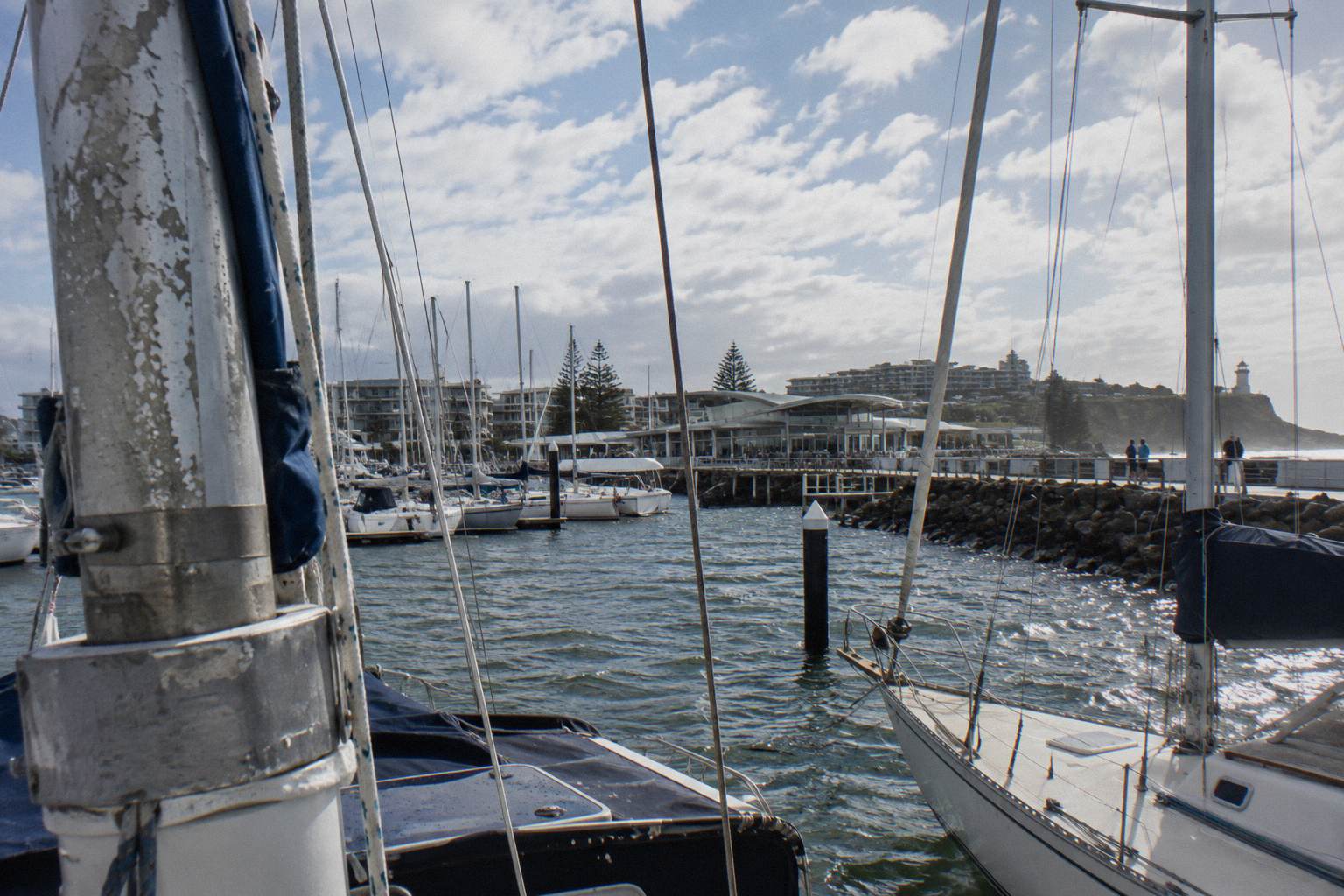
The third mistake is confusing the product types: a cruise ticket does not include a swim, and a swim ticket is not a better version of a cruise but a different activity with its own operator rules. The fourth is booking the last day of a short stay with no slack, so a weather cancellation, which operators handle by rebooking or refunding, leaves you with a refund instead of a whale. Book the first viable day of your window and keep a spare, and the question of Mooloolaba Whale Watching and what it is worth becomes far easier to answer in your own favour.
The Verdict, As A Method Rather Than A Feeling
Weigh three facts and one preference: the population is around 50,000 per the Queensland Government and has grown for two decades, the fare is from A$89 per person for three hours with free cancellation up to 3 days before departure on the booking page, and no sighting is promised by any operator. If the preference is a good chance of a wild encounter under whale-first rules, book; if the preference is certainty, spend the money on something else.
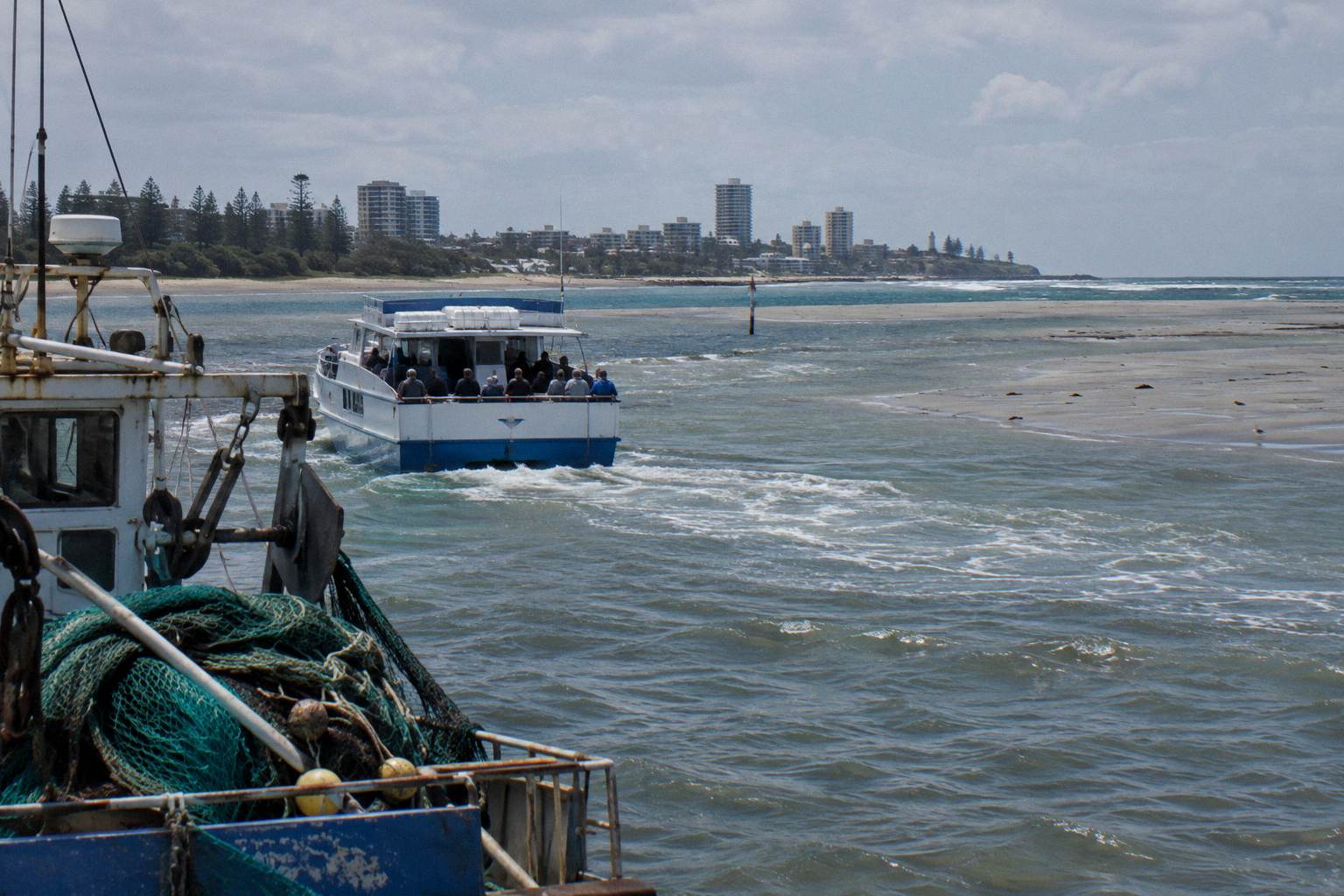
Run the method once more, quickly, with the numbers in one place. The cheapest stated Mooloolaba cruise is from A$89 for three hours, rated 4.3 from 200+ reviews. The two-hour options run from A$99 to A$115 depending on port and boat, with ratings of 4.8 from 300+ reviews on the Noosa Thriller trip and 4.9 from 169 reviews on the Oceanrider small-group tour. The swim is from A$269 for four hours. Every one cancels for weather on the operator's own terms and rebooks or refunds, and every one follows the same 100 m and 300 m approach rules. A population of around 50,000 animals passing a coast each winter is the statistical floor under all of it, per the Queensland Government. To weigh those options against each other, the guide to half-day, small-group and private whale excursions compares the formats side by side.
If the method lands on book, the choice below is where most readers start, and the two cards further down cover the faster and the Noosa alternatives.
Common Questions About Whale Watching Worth
Is Whale Watching On The Sunshine Coast Worth It?
For most travellers yes: the population is around 50,000 per the Queensland Government, fares start from A$89 per person for a three-hour cruise, and trips run under approach rules that protect the whales. No operator promises a sighting, so worth depends on accepting that uncertainty.
Is A Sighting Certain If I Pay For A Cruise?
No trip promises a whale. Adventure Rafting says it cannot guarantee sightings while noting missed sightings are rare.
Which Trip Is The Cheapest Way To Try It?
The Sunreef 3-Hour Whale Cruise, from A$89 per person for three hours, is the lowest stated from-price among the Mooloolaba options. Several trips, including Coastal Express Small Boat and Jet Boat Whale Adventure, have no from-price published, so the booking page shows the price for your date.
What Happens If The Weather Turns?
Operators cancel for weather, wind or swell and rebook or refund: Whale One states it rebooks or refunds for sea-condition cancellations, and Adventure Rafting reissues or refunds tickets and also cancels for low numbers. Free cancellation applies on the booking page for the trips covered here.
Can I Get My Money Back If I Feel Seasick?
Whale One states plainly on its own page that it issues no rebookings or refunds for seasickness. Both operators suggest considering seasickness tablets, Sunreef sells medication onboard, and anyone unsure should check with their doctor before the trip.
Do The Rules Mean The Boat Stays Far From The Whales?
The no approach zone is 100 m all round, extending 300 m in front of and behind the animal, with a 300 m caution zone travelled at no more than 6 knots. If a whale approaches the boat, the engines must be turned off or the gears disengaged, so close encounters happen on the whale's terms.