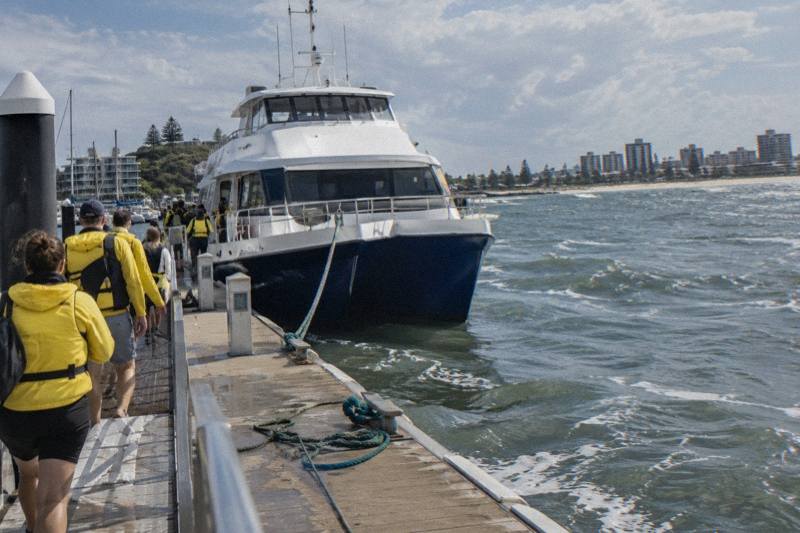
Humpback Behaviour Seen On A Whale Watching Cruise: Breaches, Tails And Spy-Hops
Humpbacks passing Mooloolaba are among the largest animals alive, and Queensland law shapes every minute a boat spends near them. The verified facts on size, dive times, calves and approach distances set out what a cruise can and cannot deliver.
Short answer
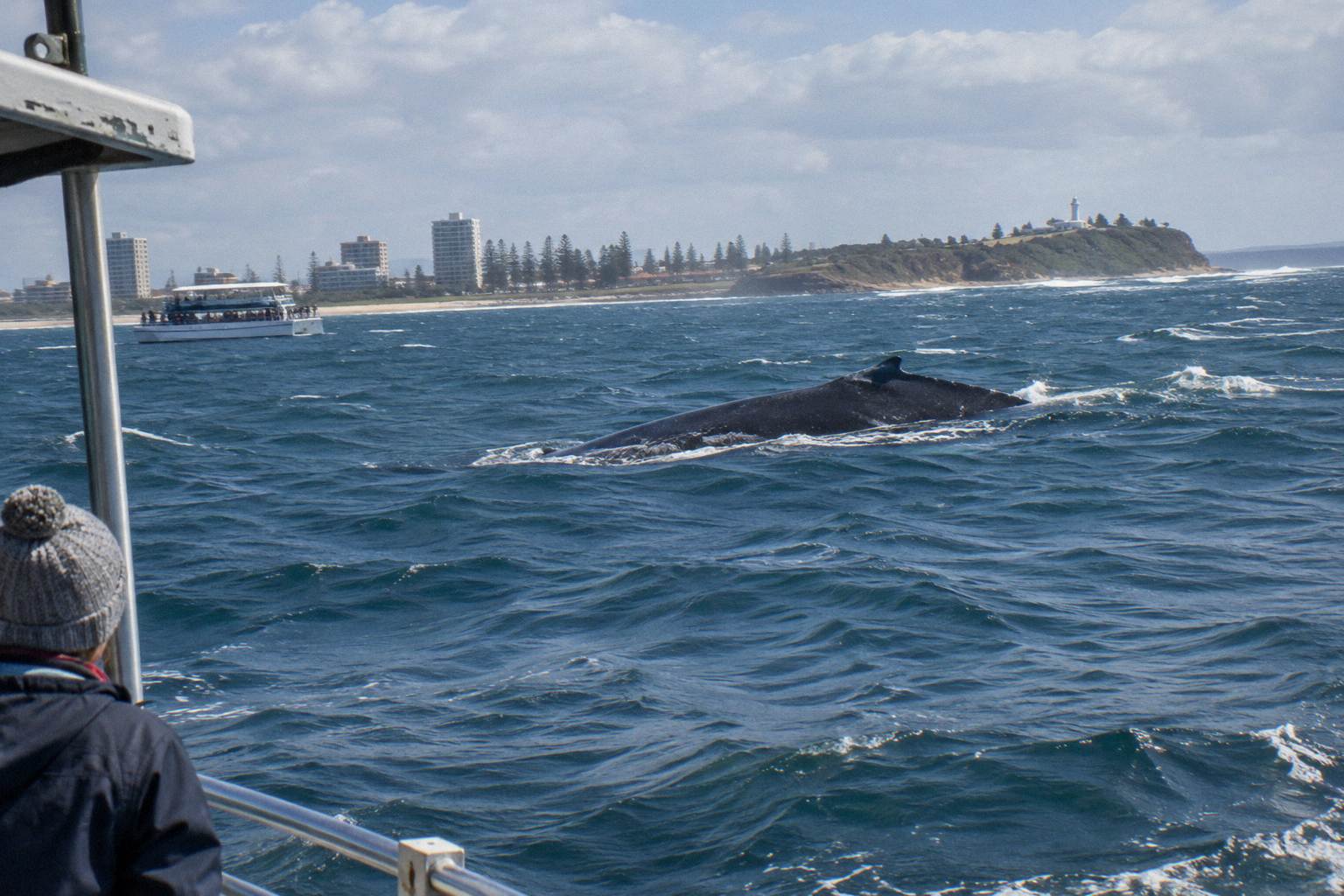
Adult humpbacks are usually up to 16 m long and 30 to 45 tonnes, and a typical dive lasts 10 to 15 minutes, sometimes up to about 30. Queensland rules keep boats at least 100 m from a whale, at 6 knots or less inside a 300 m caution zone. No trip can promise a breach, a close pass or any particular behaviour.
The humpbacks that pass Mooloolaba each winter are the same animals that swim a round trip of about 9,000 km between Australian and tropical waters, and the Queensland Government puts the current eastern Australian population at around 50,000 whales. A cruise out of the Mooloolah River buys time inside that migration corridor, under approach rules that decide how close any boat may go. What a whale does on the day is up to the whale, but the verified facts on size, dive length, calves and distance rules let you set expectations before you pay. If you're still pinning down the best weeks to book, Where Are The Humpbacks In Australia? maps the northern and southern legs of the run month by month.
How Big Are Humpback Whales And How Long Do They Stay Down?
Adult humpbacks off the Queensland coast usually reach up to 16 m in length and 30 to 45 tonnes in weight, according to the Queensland Government's whales page, and a typical dive lasts 10 to 15 minutes, sometimes stretching to about 30 minutes. Calves measure 4 to 5 m at birth after a gestation of 11 to 12 months, and the full migration runs about 9,000 km round trip. Those figures frame every sighting.
That scale is the reason distance changes what you see. A 16 m animal at 100 m still fills a horizon; the same animal mid-dive is simply absent from view, which is why crew often ask passengers to watch one patch of water rather than scan constantly. The 10 to 15 minute dive figure comes from the same Queensland source as the size figures, and it means a whale that sounds as a boat arrives may reappear well after the boat has moved on, or right beside the caution zone. Patience is not a slogan here, it is arithmetic.
The Mooloolaba Whale Watching season overlaps the southbound leg of that journey, when mothers and calves make up a growing share of the traffic. The Queensland Government describes the northwards migration along the coast as running between May and July, with the southbound turn through July and August. Calves at 4 to 5 m travel close to their mothers, and Queensland law gives ordinary vessels outside the Great Barrier Reef Marine Park no separate calf distance, though operators must still follow the Queensland and Commonwealth approach rules.
| Fact | Figure | Source |
|---|---|---|
| Adult length | usually up to 16 m | Queensland Government whales page |
| Adult weight | 30 to 45 t | Queensland Government whales page |
| Round trip migration | 9,000 km | Queensland Government whales page |
| Typical dive | 10 to 15 minutes | Queensland Government whales page |
| Longest dive | up to about 30 minutes | Queensland Government whales page |
| Calf length at birth | 4 to 5 m | Queensland Government whales page |
| Gestation | 11 to 12 months | Queensland Government whales page |
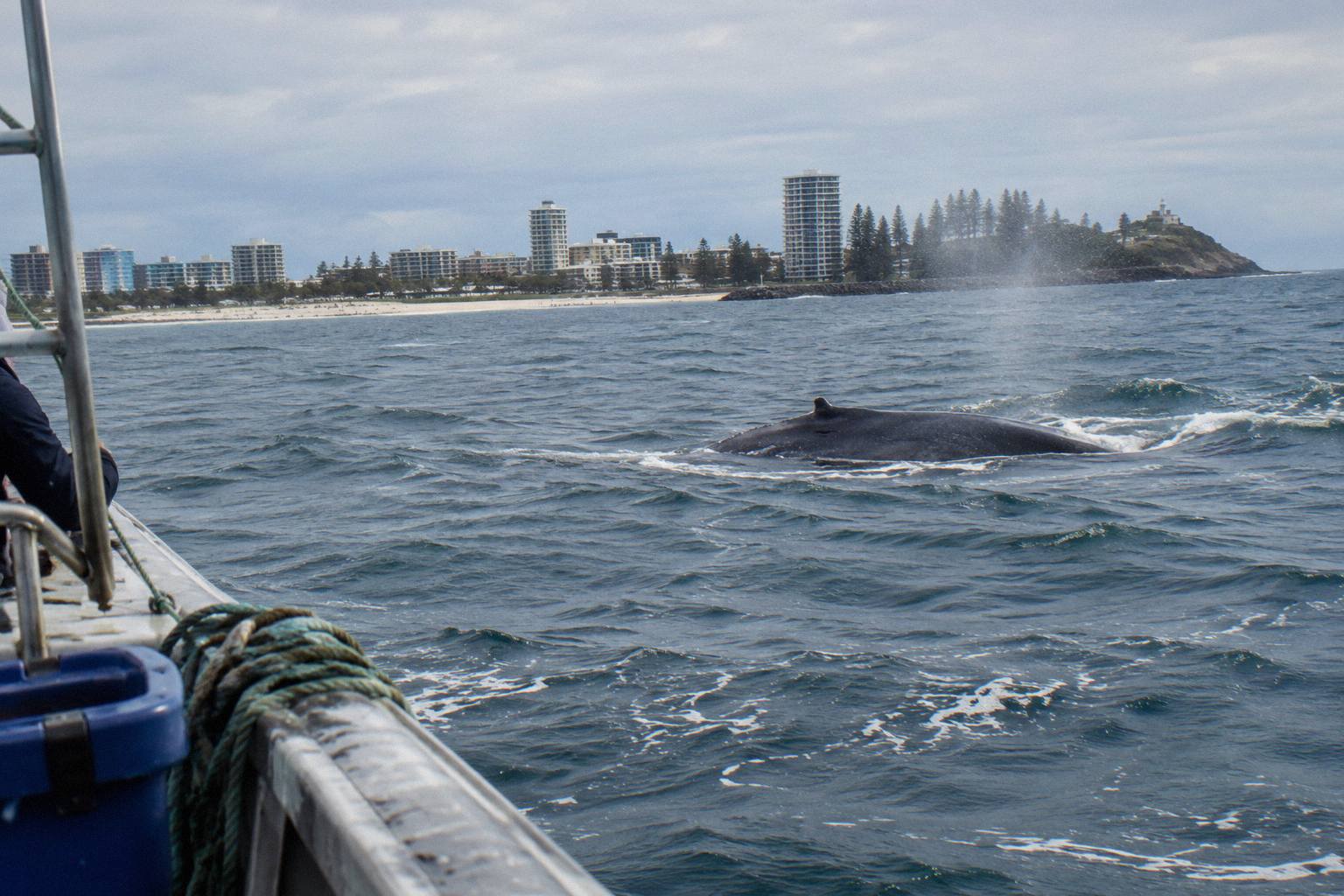
One more verified fact belongs here because it shapes expectations more than any other: white whales. The Queensland Government states that sightings of humpbacks over 90 percent white, the Migaloo type, are rare and not guaranteed each season, and those animals carry a 500 m no approach zone. No operator can promise one, and a page that implies otherwise is selling something the rules and the animals do not support.
How Close Does The Boat Get To A Whale?
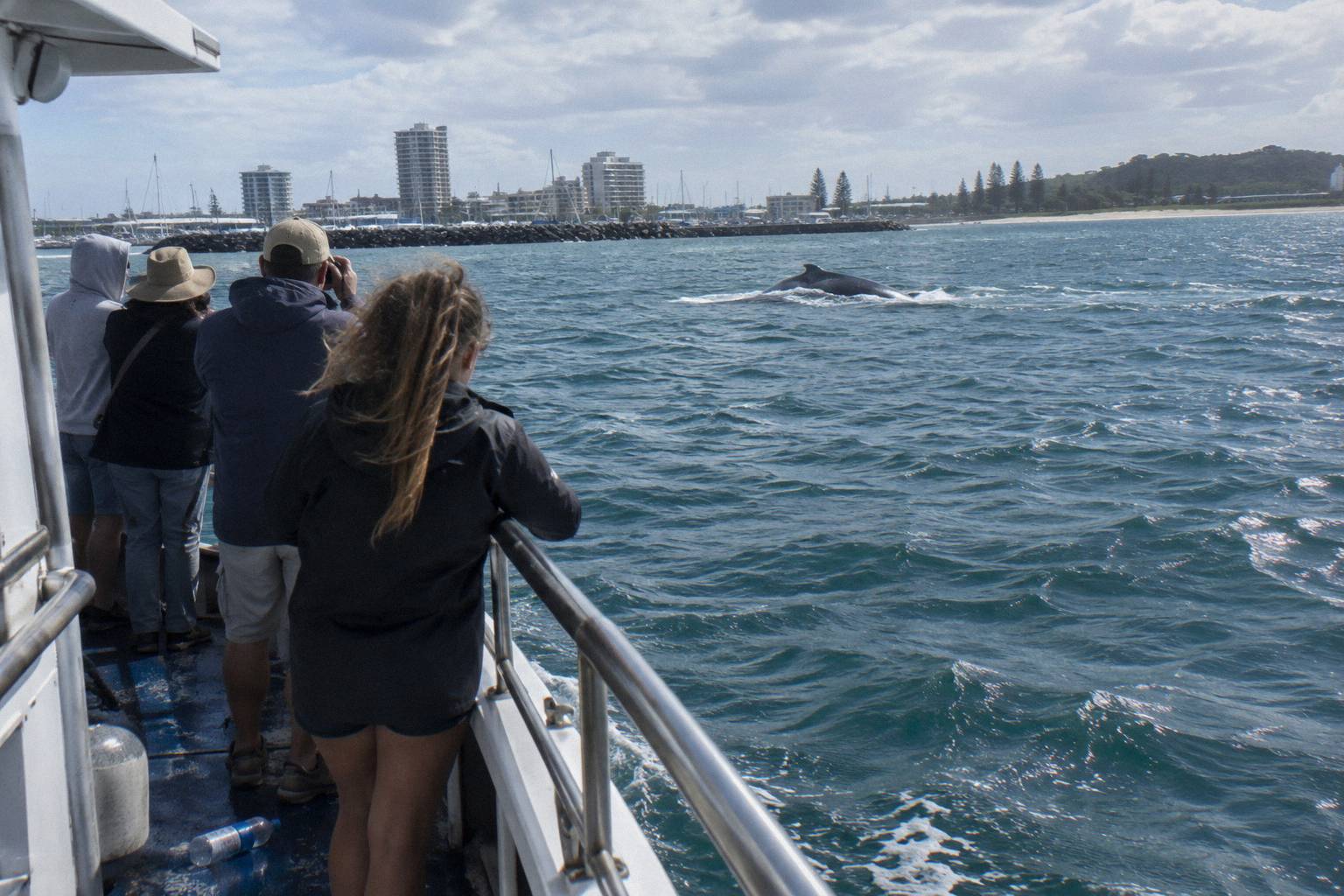
Queensland law sets a no approach zone of 100 m around a whale, extending to 300 m in front of and behind the animal, and a caution zone out to 300 m where boats are limited to 6 knots with no wake. If a whale approaches the boat, the engines must go off or the boat withdraws at under 6 knots. Distance is set by regulation, not by the skipper. Those distance rules are exactly why some people wonder about the impact of whale watching tours, and this look at whether whale watching is ethical covers what to consider before you book.
The rules are published by the Queensland marine mammal watching rules page and spelt out in the state's "Share the water" brochure. The caution zone for a whale extends out to 300 m; for a dolphin it is 150 m, with a 50 m no approach zone. The 2017 national guidelines add that swim programmes must not enter the water closer than 100 m to a whale and must not approach closer than 30 m to any whale or dolphin, and that swimming should not occur with pods containing calves. Those are national guidelines; the operator's own rules apply on any swim trip.
| Zone Or Rule | Whale | Dolphin | Stated By |
|---|---|---|---|
| No approach zone | 100 m all round, extending 300 m in front of and behind | 50 m, extending 150 m in front and behind | Queensland rules page and brochure |
| Caution zone | out to 300 m | out to 150 m | Queensland rules page |
| Speed inside a caution zone | 6 knots, no wake | 6 knots, no wake | Queensland rules page |
| Whale approaches the boat | engines off or gears disengaged, or withdraw under 6 knots | ask the operator | Queensland rules page |
| Person in the water | not within 100 m | not within 50 m | Queensland rules page |
| White whale no approach zone | 500 m | Queensland brochure |
There is a practical read on all this for a passenger. A compliant boat inside the caution zone is travelling slowly and leaving no wake, so the animals decide the encounter. When a whale closes the distance itself, the engines go quiet, which is why the most memorable minutes on any compliant trip are often the still ones. The rules also mean a boat cannot chase: an animal that is travelling steadily will open the gap, and the skipper must respect it.
It is worth knowing that Mooloolaba sits outside Queensland's marine parks, and the Queensland Government states that a permit is not required to conduct commercial whale watching in state waters outside marine parks, with permits or agreements needed inside Moreton Bay and Great Sandy. That is a licensing detail, not a quality signal: operators must still follow the Queensland and Commonwealth approach rules wherever they run.
The distances also explain why a longer trip and a patient deck matter more than a faster boat. A whale using its full 300 m arc in front of and behind the animal can put serious water between itself and any watcher in a single surfacing, and a boat limited to 6 knots inside the caution zone cannot close that gap quickly even if it wanted to. Crews instead position where the animal is heading and wait, which turns a whale cruise into a reading exercise as much as a chase. Passengers who understand that rhythm tend to enjoy the quiet stretches rather than resenting them.
If hearing the migration matters as much as watching it, the Hydrophone Whale Adventure trip page covers the two-hour option from The Wharf Mooloolaba that carries the hydrophone in its name, from A$115 per person. It pairs naturally with the classic cruise formats, and you can compare it live at a genuine decision point with Check availability.
Why Can No Trip Promise A Breach Or A Close Pass?
No operator can promise any behaviour, because the whales decide what happens and the approach rules cap what the boat may do. Adventure Rafting says plainly on its own page that it cannot guarantee sightings, and the Queensland rules leave no room for a boat to manufacture a close pass. The only guarantee-type statement in the verified record is Whale One's own policy of a free return trip if no whales are seen on its tours.
It belongs to that operator's cruises only, and it is a rebooking policy rather than a sighting promise. Adventure Rafting's own page frames it the other way: while it cannot guarantee sightings, it says missed sightings are rare, and it cancels for weather, wind, swell or low numbers with the ticket reissued or refunded. Two operators, two policies, and neither changes what the ocean does.
Behaviour is the same story. A breach at 100 m is spectacular precisely because nobody schedules it. What the facts do support is expectation setting: an animal that dives for 15 minutes will produce long quiet spells, and a mother and calf pair will travel differently to a single adult. Booking a three-hour format such as the Sunreef 3-Hour Whale Cruise, from A$89 per person and rated 4.3 from 200+ reviews, buys more of those spells than a two-hour sailing.
Weather adds a second layer of unpromiseability. The Mooloolah River exits through a designated coastal bar, and Maritime Safety Queensland warns that conditions on a bar can change quickly and without warning, even on a good day. Whale One's page notes that weather which looks fine on the beach does not always represent conditions offshore, and that it rebooks or refunds when sea conditions cancel a trip. A behaviour you hoped for can be pre-empted by a swell decision made before the boat leaves the river.
Which Trip Fits The Way You Like To Watch?
Match the format to your patience and your group. Longer sailings give more dive cycles to work with, smaller-capacity formats change how you move around the deck, and the hydrophone option adds a listening dimension the standard cruises do not carry. From-price differences are modest across the Mooloolaba fleet, from A$89 per person on the three-hour cruise to from A$115 per person on the two-hour Adventure Rafting formats, in Australian dollars.
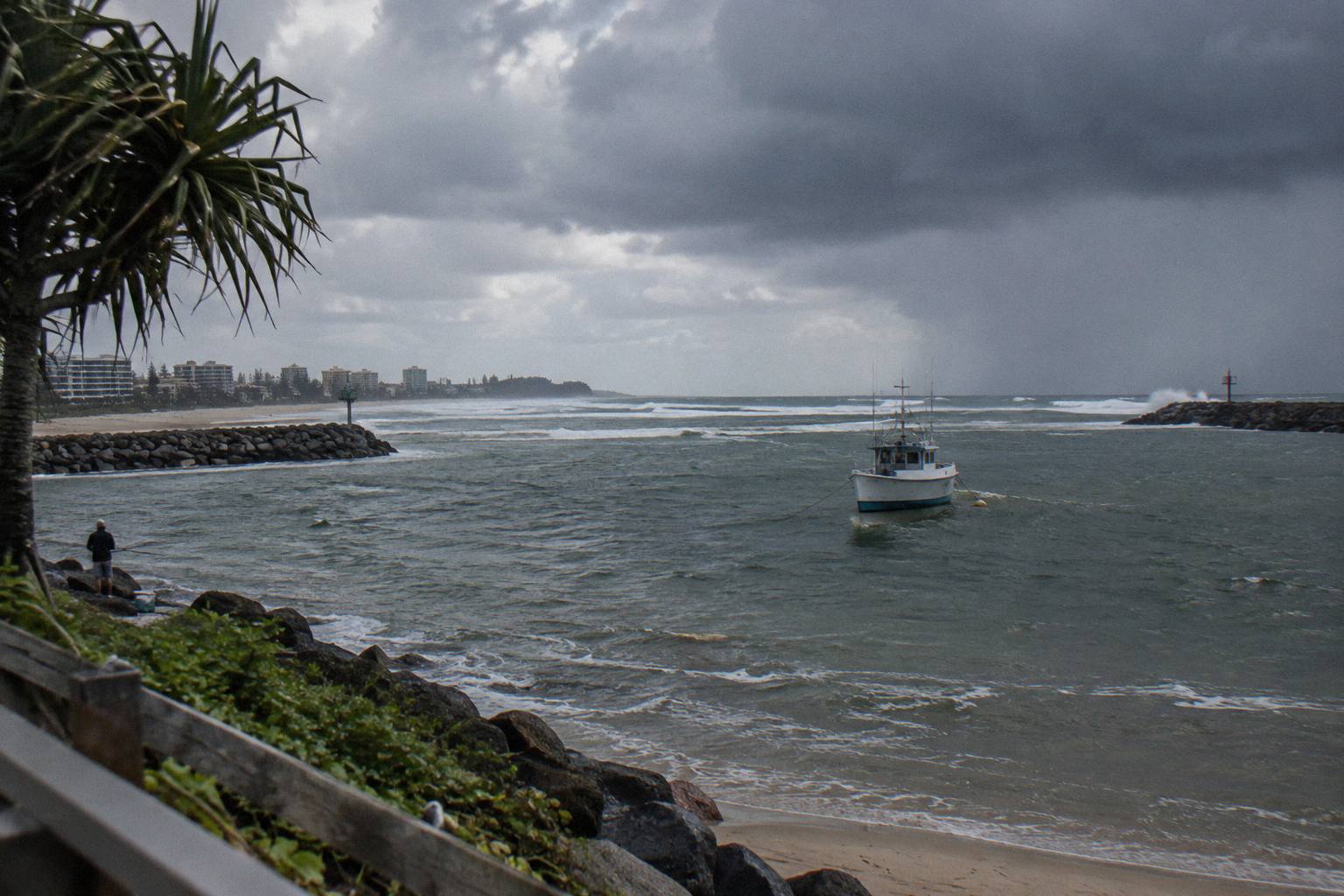
The decision logic is genuinely about time and style. A 10 to 15 minute typical dive means a two-hour trip covers roughly eight to twelve dive cycles if the boat stays with one animal, while a three-hour format simply buys more cycles and more chances that a whale closes the distance itself under the engine-off rule. Families with children under 16 should note Sunreef's stated rule that children under 16 must be accompanied by an adult, with ticket bands at 4 to 14 years and under 4 free, while Adventure Rafting sets a minimum age of 5 on its own trips and caps numbers at 20 guests. Age rules are per operator; ask the operator for any trip not covered by those statements.
| Trip | Duration | From Price | Rating | Meeting Point |
|---|---|---|---|---|
| Sunreef 3-Hour Whale Cruise | 3 hours | from A$89 per person | 4.3 from 200+ reviews | Sunreef Mooloolaba, 11-12/123 Parkyn Parade |
| Fast Boat, Free Cancellation | 2 hours | from A$115 per person | 4.6 from 100+ reviews | The Wharf Mooloolaba |
| Hydrophone Whale Adventure | 2 hours | from A$115 per person | rating not published; ask the operator | The Wharf Mooloolaba, marina-side jetty next to Prawn Star |
| Sunshine Coast Afloat, 3 Hours | 3 hours | from A$105 per person | 4.8 from 136 reviews | 21 Parkyn Parade, Mooloolaba |
| Coastal Express Small Boat | 2 hours | the booking page shows the price for your date | 4.1 from 10 reviews | The Wharf Mooloolaba, 123 Parkyn Parade |
| Swim With Humpback Whales | 4 hours | from A$269 per person | rating not published; ask the operator | The Wharf Mooloolaba, 123 Parkyn Parade |
Every trip above carries free cancellation on the booking page, which matters when behaviour and weather are both outside anyone's control. A cruise ticket does not include a swim: the Swim With Humpback Whales product is a separate four-hour trip from A$269 per person, and the Sunreef swim season statement runs July to mid October, narrower than the cruise season. If the question is cruise versus water time, the cruise or swim comparison works through it, and the month by month season breakdown helps when your travel dates are flexible.
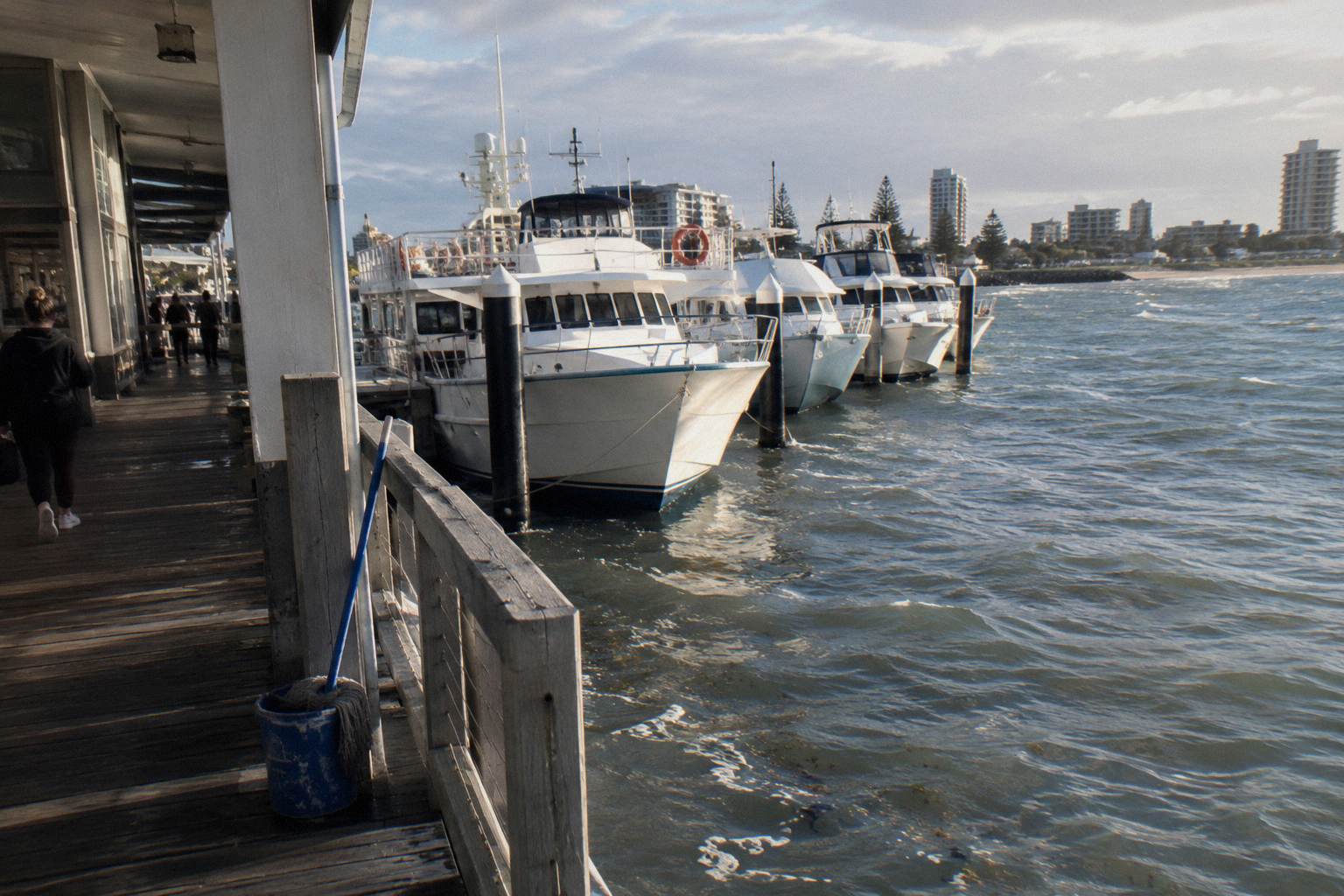
For a slower, three-hour format with a strong review record behind it, Sunshine Coast Afloat, 3 Hours runs from 21 Parkyn Parade at from A$105 per person, rated 4.8 from 136 reviews.
Travellers who like the idea of a faster, smaller-capacity format tend toward the Adventure Rafting products; its own page sets departures at 8am, 11am and 2pm, seven days across its stated season, with a maximum of 20 guests and a toilet onboard. Travellers who want maximum time on the water pick the three-hour formats. Travellers who want the listening element pick the hydrophone trip. None of these is a better whale, only a different boat.
What Should You Ask Before You Book Any Whale Trip?
Ask five things: the duration and meeting point for your date, the age and capacity rules that operator applies, what happens if sea conditions cancel the sailing, what happens if no whales are seen, and the cancellation window on the booking page. Every one of these is answered differently across the Mooloolaba operators, and none of them is a behaviour promise, so the answers are knowable in advance.
A short checklist, built only from the verified statements, does more for expectation setting than any preview of whale antics. Print it or keep it on your phone and ask when you book.
| Question To Ask | Why It Matters | Where A Verified Answer Exists |
|---|---|---|
| Where exactly do you meet, and when should I arrive? | The Wharf, Parkyn Parade and 21 Parkyn Parade are different walks | Adventure Rafting says arrive 30 minutes before sailing; check-in for Whale One trips is at the Sunreef desk |
| What is the minimum age and the capacity? | Age rules differ by operator; only Adventure Rafting states a figure, age 5 and max 20 guests | Operator pages |
| What happens if the sea cancels the trip? | The bar can change quickly even on a fine day | Whale One rebooks or refunds; Adventure Rafting reissues or refunds |
| How long is the sailing? | Dive cycles of 10 to 15 minutes reward longer formats | Booking pages, from 2 to 4 hours |
| What is the cancellation window? | All eleven trips carry free cancellation on the booking page | Booking pages |
Add the practical layers. Parking at The Wharf is time-limited, so arrive early in peak season; Adventure Rafting's own advice is to arrive 30 minutes prior to sailing because parking can be difficult during peak times. If you are prone to motion discomfort, both operators' advice is to consider seasickness tablets, and Sunreef sells medication onboard; check with your doctor about anything stronger. Conditions offshore differ from the beach, so the morning you see from the sand is not the morning the boat will get. For clothing decisions, the what to wear on a whale cruise guide is the practical companion, and the seasickness guide covers the rest.
A note on timing your questions. Operators answer the policy questions, the ones about ages, cancellation and weather calls, at any time of year, and those are the answers worth collecting before you commit a date. The behaviour questions, what the whales were doing this week or how close they came yesterday, are useful only as colour, because the migration moves through and a report from last Tuesday says nothing about your Saturday. Keep the two categories separate in your head and the booking conversation gets shorter and more useful.
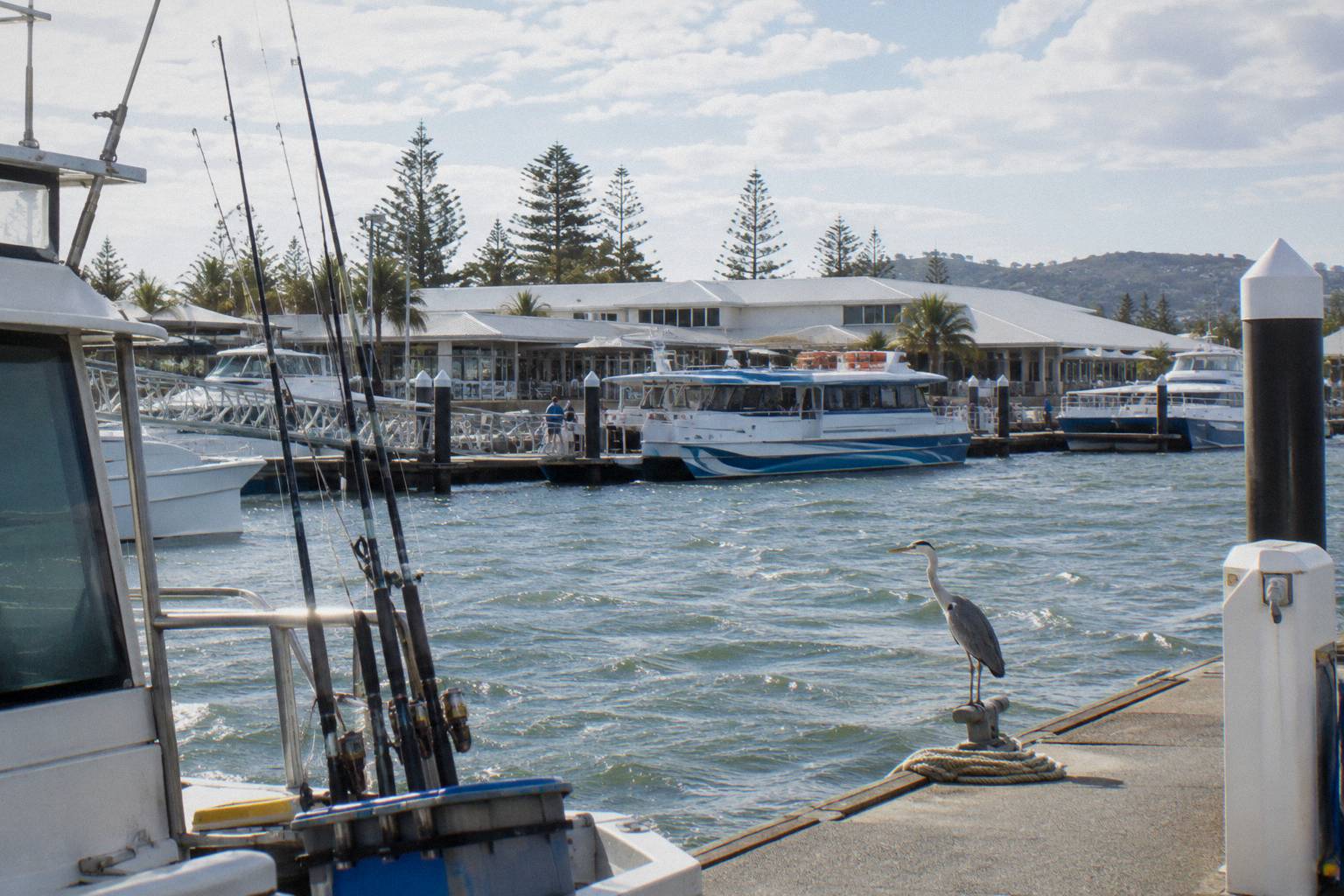
Common Mistakes When Setting Out For A Whale Cruise
The recurring mistakes are assuming a behaviour or a close approach is included in the ticket, assuming every boat has the same age and capacity rules, turning up at the wrong end of Parkyn Parade with no margin for parking, expecting beach weather to equal offshore conditions, and treating a cruise ticket as a swim ticket. Each one is avoidable with one question or one extra half hour, and none of them is the operator's fault or the whale's.
The behaviour assumption is the big one. A ticket buys a boat, a crew and time inside the migration corridor under the 100 m and 300 m rules; it does not buy a breach, a tail display or a close pass. The second is the age assumption: Sunreef states no numeric minimum age for its whale watching but requires adults with children under 16, while Adventure Rafting sets age 5 as its minimum on its own trips, and no age figure is published for the other formats, so ask the operator rather than assuming.
The meeting-point mistake costs sailings. The Wharf Mooloolaba, 123 Parkyn Parade is the check-in address for several trips, but Sunshine Coast Afloat leaves from 21 Parkyn Parade, the Jet Boat Whale Adventure leaves from Kawana Waters Hotel in Buddina, and the Noosa options leave from Noosaville or Tewantin; a Noosa or Buddina trip is never a Mooloolaba trip. Time-limited parking at The Wharf plus the 30-minute arrival advice Adventure Rafting gives for its own sailings is the margin that protects you. The weather mistake follows the same logic: the bar can change quickly and conditions offshore differ from the beach. The fifth mistake, buying a cruise and expecting to enter the water, is simply a product mix-up; the swim is a separate four-hour trip, as the swim with whales rules and safety guide explains.
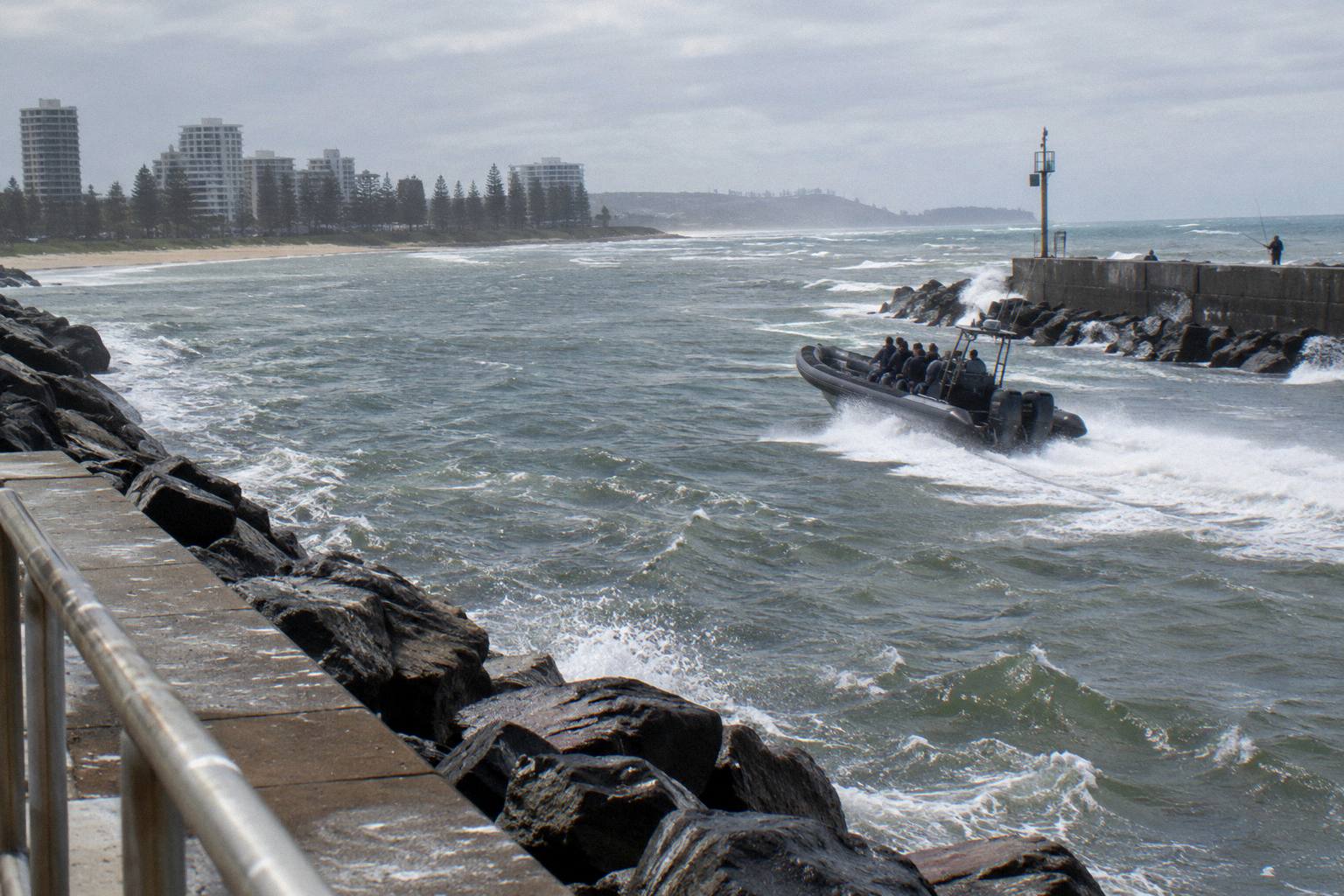
One last framing thought before the practicalities close. The Queensland Government's whales page, which supplies the size and dive figures above, also carries the population story: approximately 12,000 eastern Australian humpbacks in 2008, growing by around 10 percent each year to a current estimate of around 50,000, with the last peer-reviewed survey counting 24,545 whales in 2015. The animals passing Mooloolaba are a conservation recovery in motion, and the approach rules that cap every boat's distance are part of how that recovery is being kept. Watching within those rules is not a compromise on the experience, it is the reason the experience keeps existing. If a breach is what you're hoping to see, the guide to why humpback whales breach explains what scientists do and don't know about the spectacle.
Common Questions About Humpback Behaviour On A Whale Cruise
How Long Does A Humpback Stay Under Water?
A typical dive lasts 10 to 15 minutes, with dives of up to about 30 minutes on record, per the Queensland Government's whales page. A whale that sounds as the boat arrives may be out of view for a quarter of an hour or more.
How Big Are The Humpbacks Off Mooloolaba?
Adults usually reach up to 16 m in length and weigh 30 to 45 tonnes, per the Queensland Government. Calves are 4 to 5 m at birth after a gestation of 11 to 12 months.
How Close Will The Boat Get To A Whale?
Queensland law sets a 100 m no approach zone around a whale, extending to 300 m in front of and behind the animal, with a caution zone out to 300 m where boats travel at 6 knots or less with no wake. If a whale approaches the boat, the engines must be turned off or gears disengaged.
Can A Tour Promise A Breach Or A Sighting?
No. Adventure Rafting states on its own page that it cannot guarantee sightings, and no operator can promise any particular behaviour.
Will You See A White Whale Like Migaloo?
The Queensland Government states that sightings of humpbacks over 90 percent white are rare and not guaranteed each season, and those animals carry a 500 m no approach zone. No trip can promise one.
Is A Longer Cruise Better For Seeing Behaviour?
Longer formats buy more dive cycles. With a typical dive of 10 to 15 minutes, a three-hour sailing covers more surfacing windows than a two-hour one, but what the whales do in those windows remains up to them.